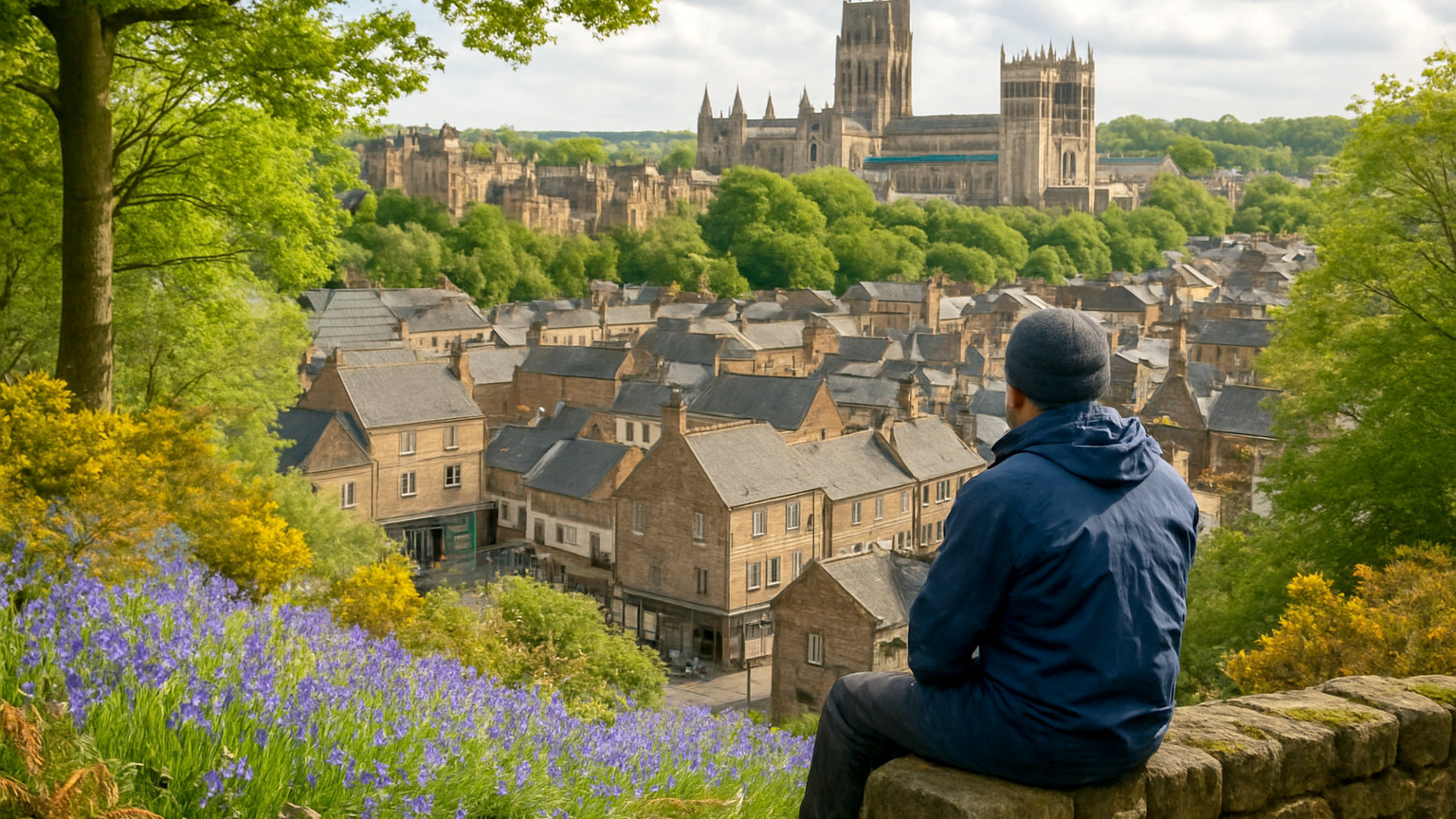
County Durham is passed through by everyone travelling between Yorkshire and Newcastle and visited by very few of them. Beyond the cathedral city itself lies a county with the largest waterfall in England, an extraordinary museum in the middle of nowhere and a coastline that has been transformed.
What is High Force?
A waterfall on the Tees in upper Teesdale where the river drops around twenty one metres over a hard band of rock, and by volume of water it is the largest in England.
Low Force downstream is smaller and reached by a footbridge, and the walk between them along the Pennine Way is among the best short river walks in the country.
What is special about upper Teesdale?
An assemblage of arctic and alpine plants surviving from just after the last ice age, growing on sugar limestone at Widdybank and Cronkley.
The spring gentian, an intense blue flower found nowhere else in England, appears in May and June and draws botanists from across the country.
What is the Bowes Museum?
A purpose built French style chateau standing in a small market town, holding a collection of European fine and decorative art assembled by a Victorian couple.
Its most famous object is a life sized silver swan automaton that preens and catches a fish, operated once daily to a small crowd. The building itself is startling in its setting.
What is Barnard Castle?
A market town on the Tees with a ruined castle above the river, an unusual octagonal market cross and a good number of independent shops.
It is the gateway to Teesdale and a pleasant base for the whole dale.
What happened to the coast?
Colliery waste was tipped directly onto the beaches for a century, turning them black, and the last pit closed in 1993. The coast has since been cleaned and restored.
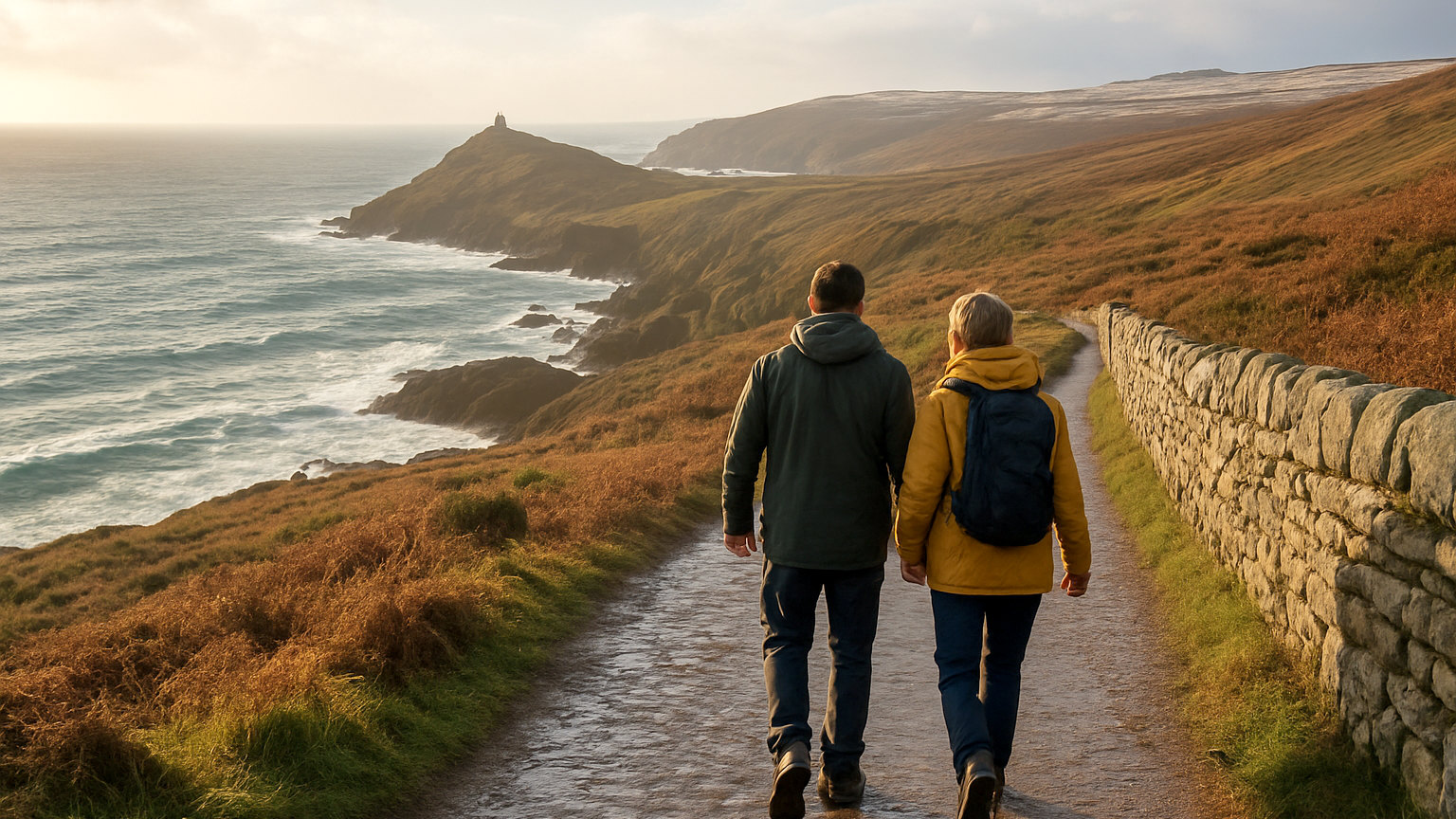
It is now a heritage coast with denes, cliffs and magnesian limestone grassland, and the recovery is among the more remarkable environmental stories in England.
What is at Seaham?
A former colliery town whose beaches are known for sea glass, produced by a Victorian glassworks that tipped waste into the sea and now tumbled smooth by decades of waves.
Collecting it has become a substantial local pastime, and the town has smartened up considerably.
What is Beamish?
An open air museum recreating a northern town, a colliery village, a farm and a nineteen fifties street, with working trams and buses and costumed staff throughout.
It fills a full day, tickets convert to annual passes and it is among the best museums in England for families.
What is Escomb church?
A small Anglo Saxon church of around the seventh century, almost complete and built largely from stone taken from a Roman fort, standing in a modern housing estate.
It is among the oldest complete churches in England, is free, and the key is available locally when it is locked.
What about the North Pennines?
A protected landscape covering the west of the county, with lead mining remains, hay meadows, black grouse and some of the darkest skies in England.
Killhope, a restored lead mine with an enormous waterwheel, explains the industry that populated these dales.
What is at Bishop Auckland?
Auckland Castle, the palace of the prince bishops for eight hundred years, restored and open with a Spanish art gallery and a mining art gallery in the town.
A substantial outdoor night show telling the region's history is staged in summer on a large scale.
How do you get there?
By train to Durham and Darlington on the east coast main line, with buses into the dales, which are limited.
A car is necessary for Teesdale, Weardale and the coast. Everything is within an hour of Durham city.
When should you go?
May and June for the gentians and hay meadows, autumn for the dales in colour, and winter for waterfalls at full volume after rain.