Screen tourism has become a substantial part of British visitor economy, and the locations range from major attractions that welcome the interest to private houses whose owners did not anticipate it. Knowing which is which before setting out matters.
Which locations are easiest to visit?
Places that were already attractions: castles, cathedrals, country houses, national trust properties and heritage railways. These have parking, staff and opening hours, and several actively promote their screen connections.
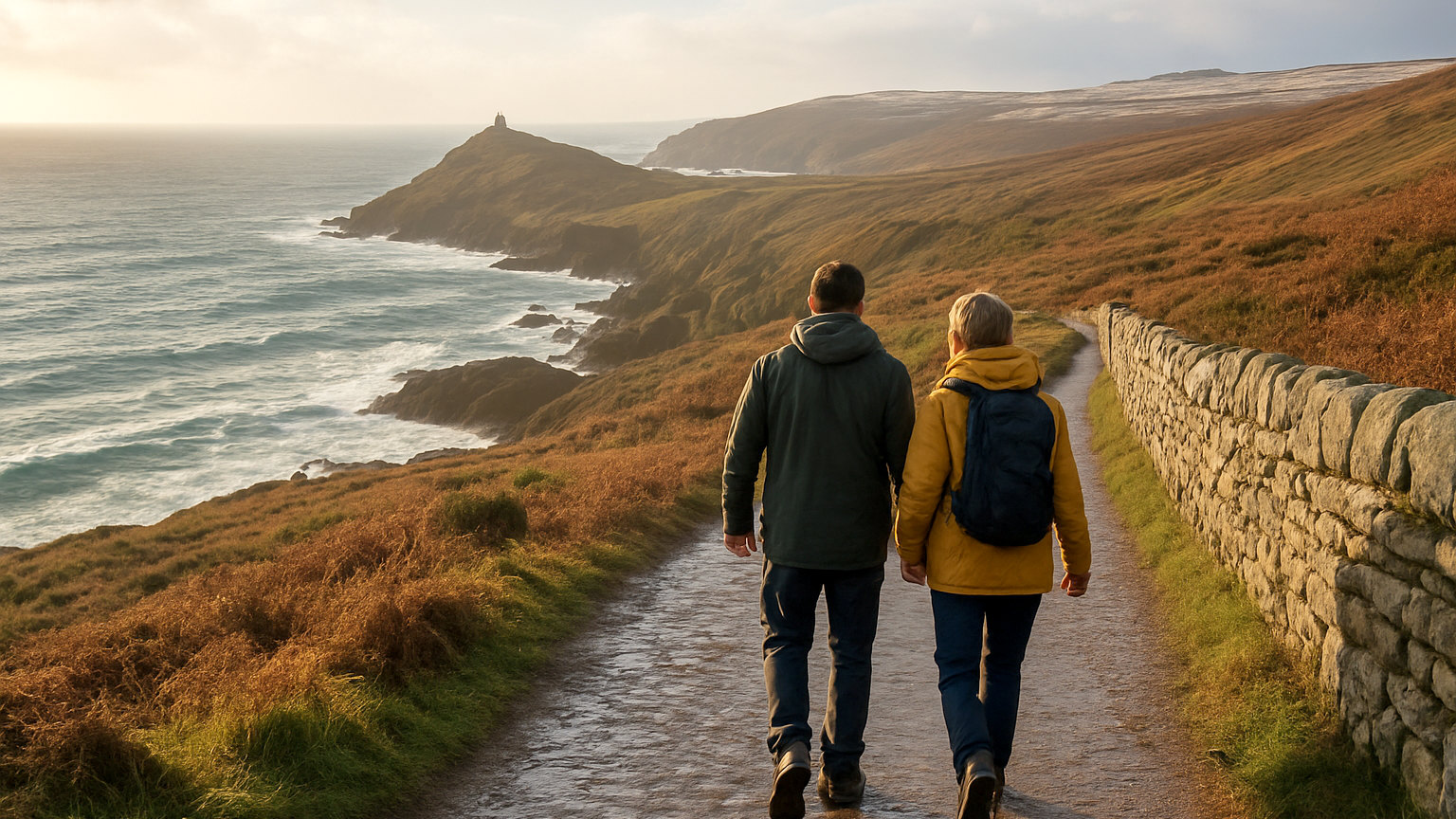
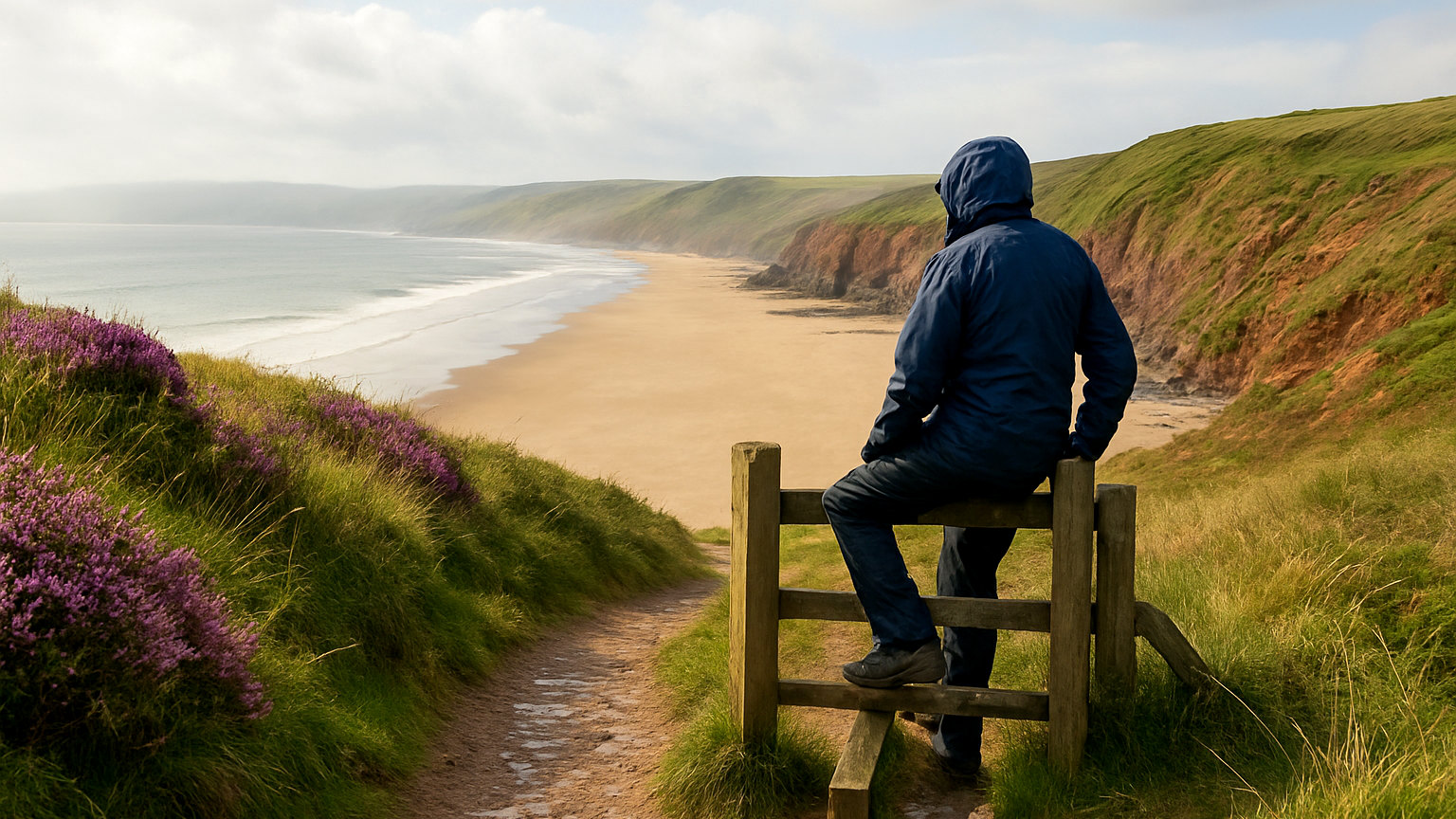
Public landscape is equally straightforward. Beaches, moors, glens and forests used for filming are open in the ordinary way.
What is not accessible?
Private houses, working farms, and locations on land with no right of way. A building filmed from the outside is frequently somebody's home, and its appearance on screen confers no right to approach it.
Some interiors filmed at one property and exteriors at another are combined in editing, so a house you recognise may never have been entered by the production at all.
What about studio tours?
Several operate in Britain, built around productions filmed here, displaying sets, costumes and props with substantial visitor facilities.
They are ticketed, book well ahead and are the reliable option for anyone whose interest is the production rather than the landscape.
How accurate are the locations?
Frequently less than expected. Productions combine multiple sites into a single fictional place, add digital elements and film interiors on sets.
A location can therefore look nothing like it does on screen, which disappoints visitors who arrive expecting the composite rather than the real place.
What are the trails?
Several tourist boards publish screen tourism trails linking locations in a region, with maps, parking information and access details.
These are the most reliable source, since they are compiled with landowner cooperation and only include places where visitors are welcome.
What has the effect been on communities?
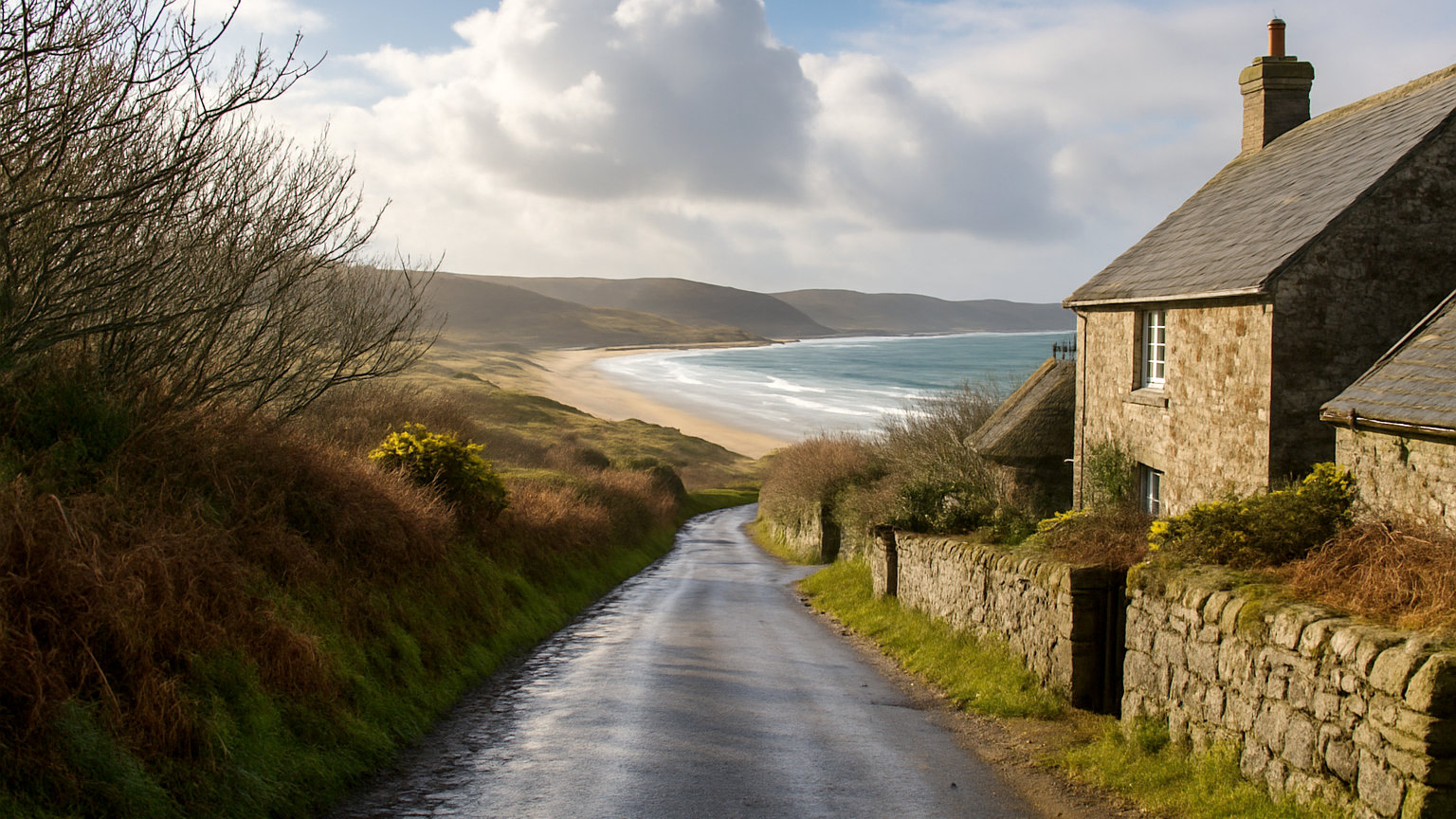
Mixed and in some places substantial. Small villages and single track roads have received visitor numbers far beyond anything they were built for, with parking, litter and traffic pressure.
Several locations have introduced restrictions, charges or vehicle closures as a result. Following them is not optional.
Do sites close for filming?
Regularly, and frequently at short notice. Properties used repeatedly may close parts or all of a site for days at a time.
Check the property's own page before travelling if a specific room or view is the reason for the trip.
Is there anything to see on site?
Sometimes very little. A field, a beach or a stretch of road may be exactly as filmed and entirely unremarkable in person.
The locations that reward a visit are those interesting in their own right, which is why the castles, coastlines and cathedrals work and the roadside verges do not.
How should you behave?
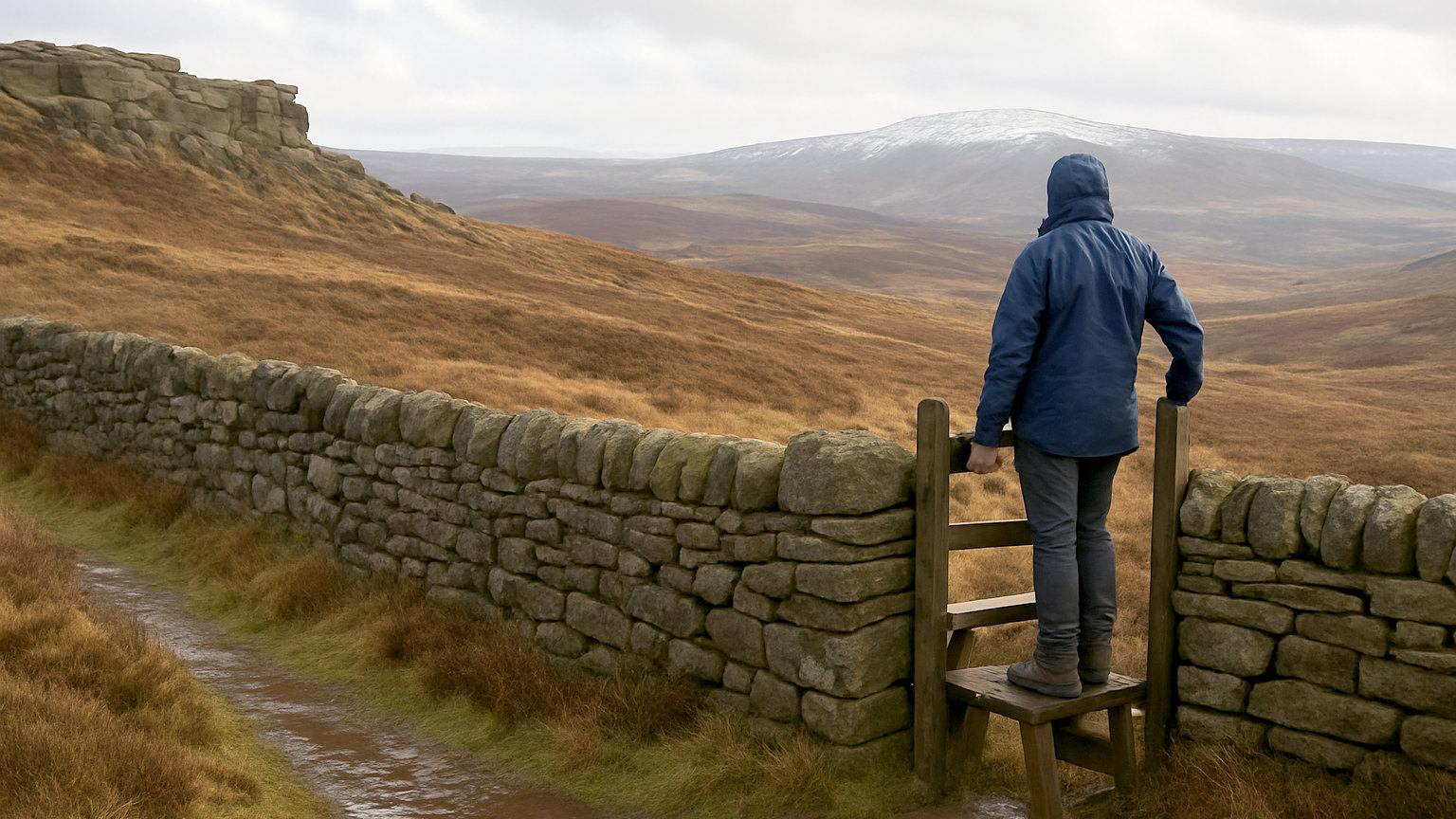
As at any other place. Park legally, stay on rights of way, do not enter private land, take rubbish away and keep noise down in residential areas.
People live in these villages and work on these farms, and the production moved on years ago.
What is the best approach?
Choose locations that are attractions anyway, use a published trail for the rest, and treat the screen connection as an addition to a good day out rather than the whole of it.
That produces a considerably better trip than driving between fields that appeared briefly in an episode.
What about seasonal access?
Many locations are attractions with a season running roughly March to October, and a good number close entirely in winter. Outdoor sites remain open but may be unreachable in snow, and coastal locations can be cut off by tides. Checking opening dates rather than assuming is particularly important here, since screen tourists frequently travel a long way for a single site.
Are guided tours worth it?
Frequently, particularly where locations are dispersed or on land with no public access. Operators have arrangements with landowners that individuals do not, and a guide knows which building was used for what. For a region like the Antrim coast or the Highlands, where sites are an hour apart, a tour also removes the driving.