Northern Ireland became a substantial production base over the past two decades, with studios in Belfast and locations concentrated within an hour or two of the city. The economic effect has been considerable and several sites are now managed specifically for visitors.
What is the Dark Hedges?
An avenue of beech trees planted in the eighteenth century along a road in County Antrim, their branches meeting overhead. It is genuinely striking and predates any filming by two centuries.
Visitor pressure and traffic damaged the trees, and the road has been closed to through vehicles. Park at the designated car park nearby and walk, which is now the only proper way to see it.
Which coastal locations are used?
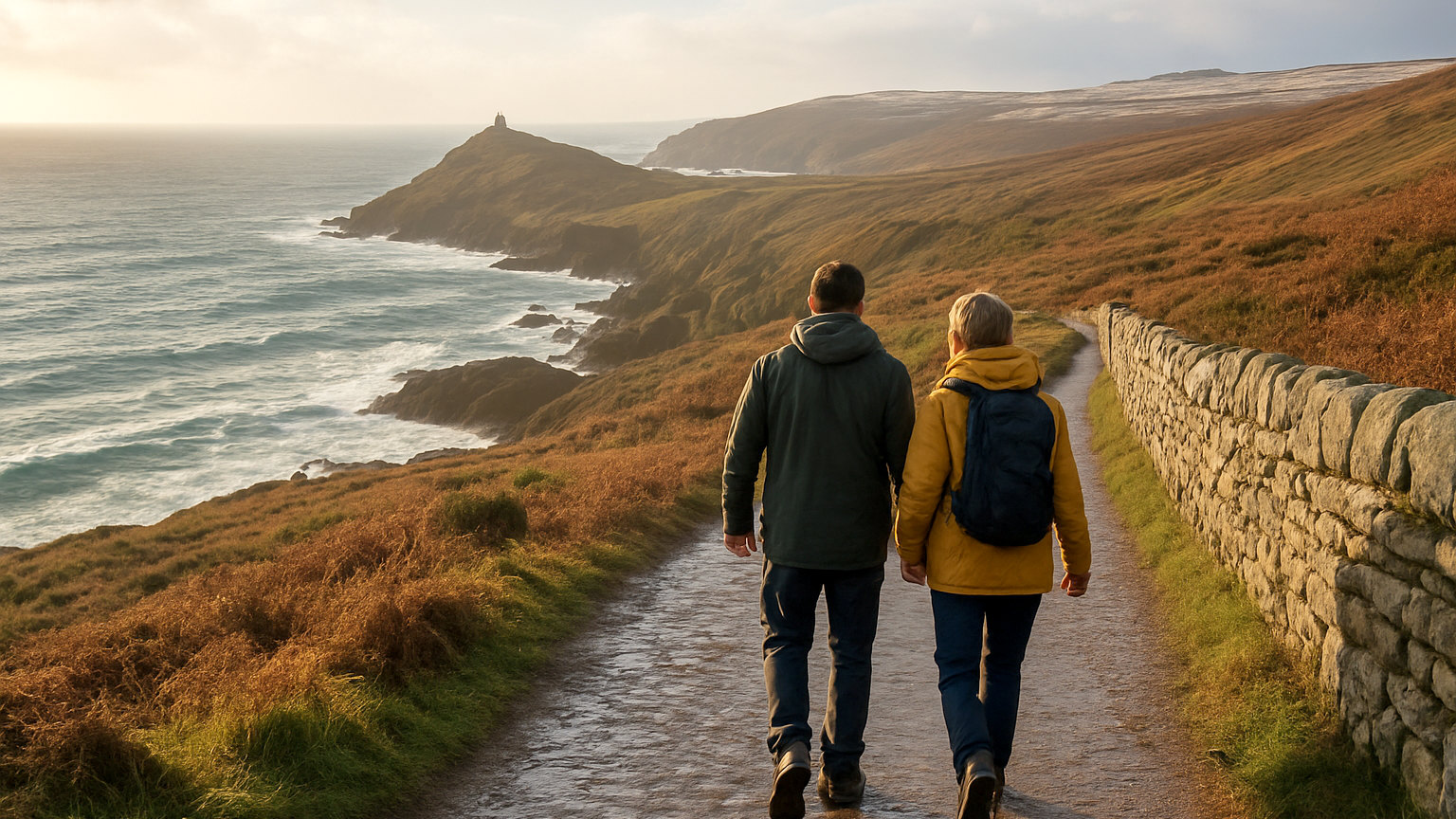
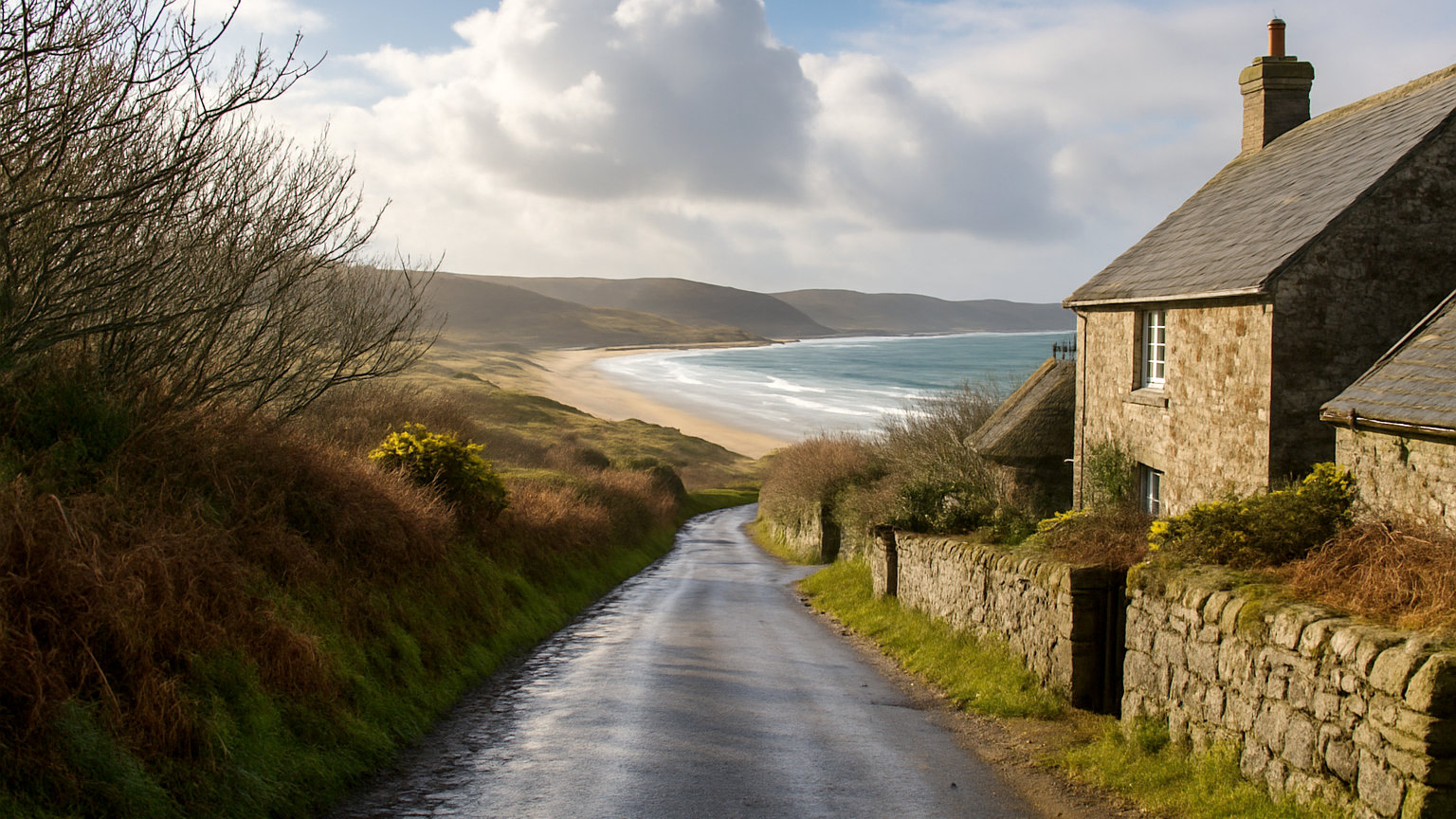
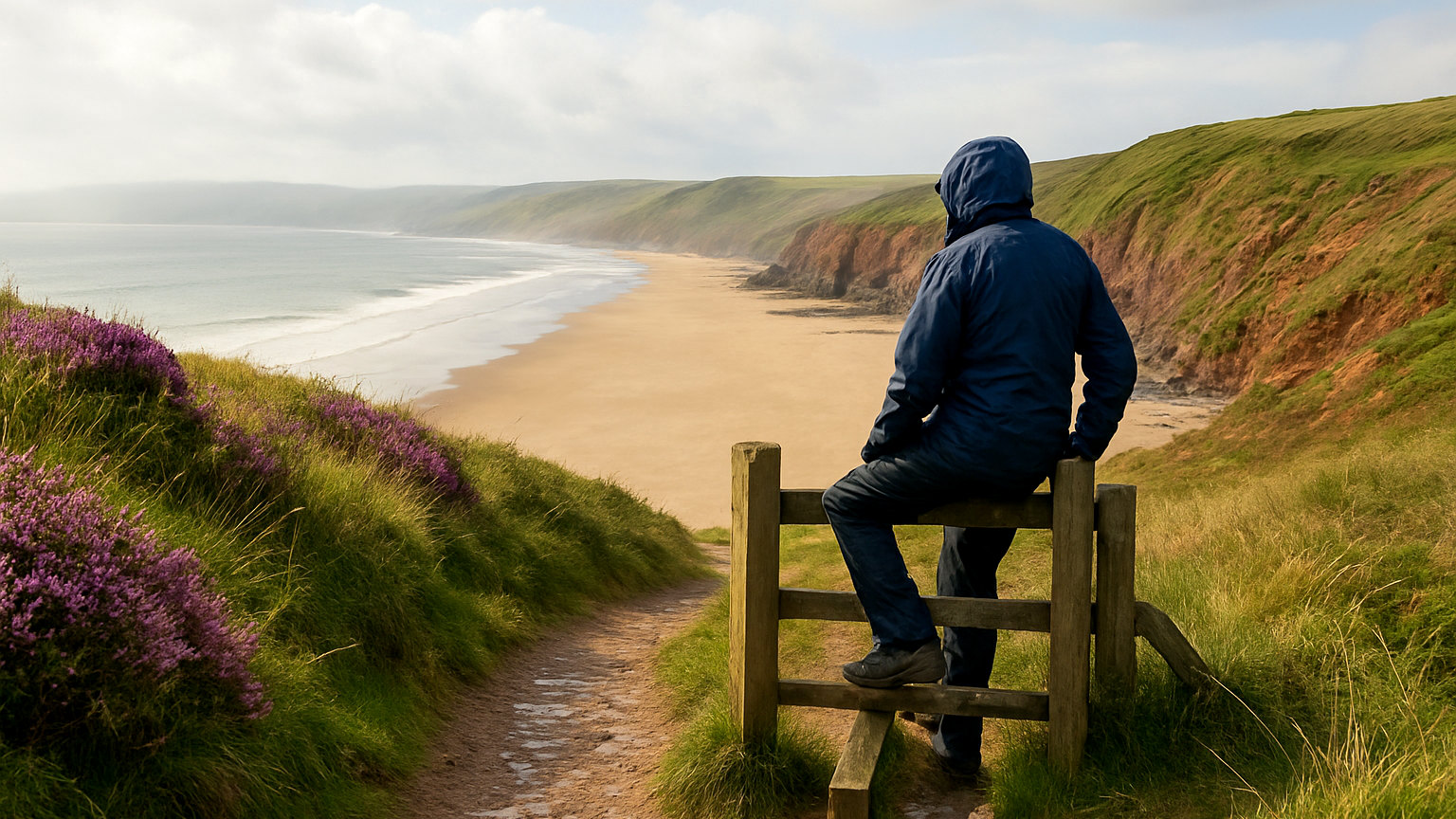
Ballintoy Harbour on the Antrim coast, a small working harbour beneath a steep road, and Larrybane quarry nearby. Downhill Beach beneath the Mussenden Temple.
Portstewart Strand, Murlough Bay and the Cushendun caves, which are reached on foot from the village and are free.
What about the forests?
Tollymore Forest Park beneath the Mourne Mountains, with follies, bridges and a river gorge, which is a country park with parking and paths.
Castle Ward on Strangford Lough, a conservation charity property with a farmyard used extensively, which offers activities built around the connection.
Is there a studio tour?
Yes, at a studio site in County Down, displaying sets, costumes and props from a major production filmed in the region.
It is ticketed and booked in advance, and it is the reliable indoor option regardless of weather.
What are the doors?
A set of carved wooden doors made from timber felled from the Dark Hedges avenue during a storm, installed in pubs and venues across the region as a trail.
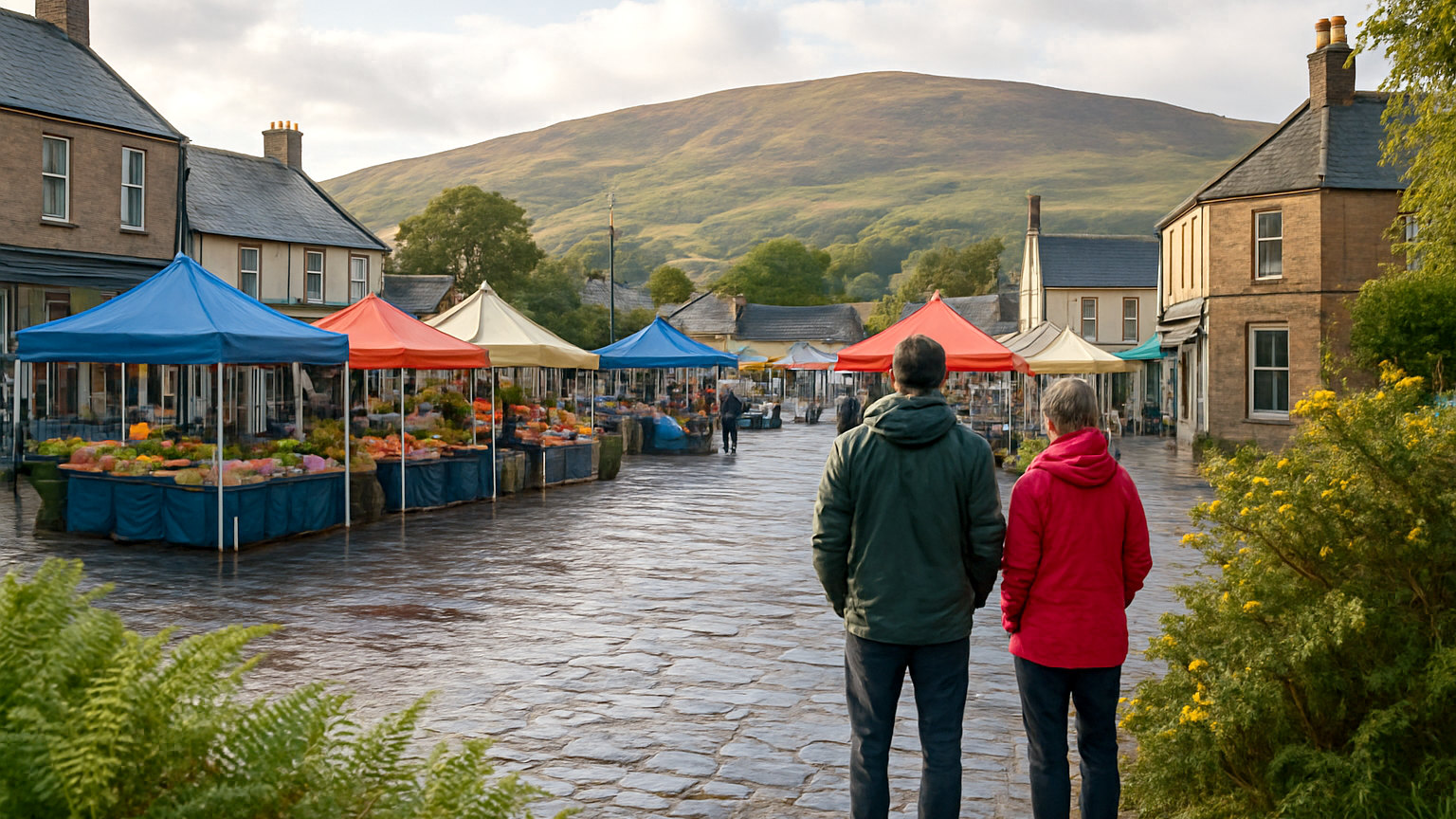
It is an unusual piece of location marketing and takes visitors into small towns that would otherwise see nobody.
What else is in the area?
The Causeway coast, with the basalt columns of the Giant's Causeway, the rope bridge at Carrick a Rede and the ruins of Dunluce Castle, all within a short distance.
The Mourne Mountains and Strangford Lough to the south, and Belfast itself, which is compact and worth two days.
How do you get around?
By car, mostly, since the locations are spread along the coast and inland. Organised tours run from Belfast and cover several sites in a day.
Public transport reaches the main towns and not the individual locations, so a tour or a car is necessary.
What has the effect been?
Substantial and generally welcomed, with production spending, employment and a visitor economy in areas that previously had little. Several locations report large increases in numbers.
The Dark Hedges is the case where it went wrong, and the vehicle closure is the response.
How should you behave?
Park where you are directed, keep off the tree roots at the Dark Hedges, follow the tides at coastal sites and remember that Ballintoy is a working harbour.
Several locations are on private farmland with permissive access, which can be withdrawn.
How should you plan it?
Two or three nights on the north coast covering the Causeway sites, and a separate day for Castle Ward and the studio tour to the south of Belfast.
The coast is outstanding on its own terms, which is precisely why it was filmed.
What else should you build in?
Belfast itself, which is compact, inexpensive and holds the shipyard heritage, two cathedrals, a substantial museum and a food scene that has developed considerably. Most visitors treat it as a base for the coast and leave without seeing it, which is a mistake. Two days there fits comfortably alongside a coastal trip.
When should you go?
Spring and autumn, when the coast is at its best and the sites are quiet. Summer brings coach traffic to the Causeway corridor and parking pressure at the smaller locations. Winter gives dramatic seas and short days, and several attractions reduce their hours, so check before travelling.