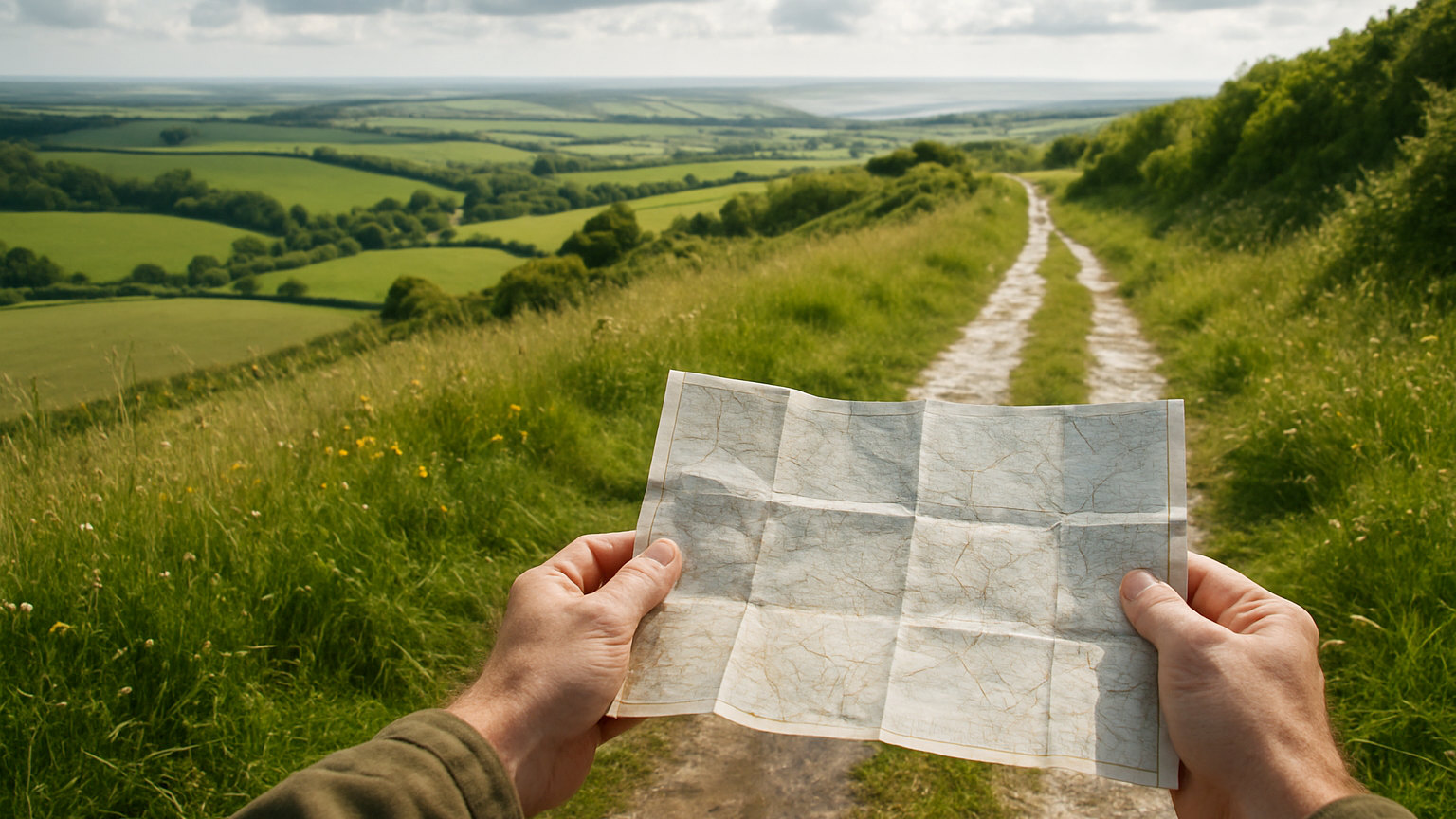
A walking holiday is unlike any other kind of trip in one important respect: the itinerary is fixed by geography. You have booked a bed fourteen miles away and the only way to reach it is to walk there. That constraint is the appeal for some people and the reason others find the format unbearable, and it is worth understanding before committing a week to it.
What does a typical day look like?
Breakfast at around eight, on the trail by nine, walking until mid afternoon with a stop for lunch, arriving at the next accommodation between three and five. Then boots off, a shower, a pint and dinner, and to bed early because you are more tired than you expected.
That pattern repeats. The pleasure comes from the simplicity of it rather than from variety, which is precisely why some people love it.
How hard is it?
Harder than a single day walk of the same distance, because it is consecutive. The third and fourth days are where most people struggle, when accumulated fatigue arrives before the body has adapted.
Twelve miles on a Monday is a pleasant day out. Twelve miles a day for six days is a different proposition, and it is the repetition rather than the individual days that catches people.
What happens if the weather is bad?
You walk anyway, which is the fundamental difference from other holidays. There is no rest day built in, the accommodation ahead is booked and non refundable, and taxis on remote sections are expensive if they exist at all.
This is why proper waterproofs matter more here than on any other kind of trip. A wet day is an ordinary day if you are equipped and a genuinely miserable one if you are not.
Do you carry everything?
Not necessarily. Most people on British long distance trails use baggage transfer, where a company moves your main bag between accommodation each day and you walk with a light daypack.
Carrying everything is cheaper, more self sufficient and considerably harder, adding real weight to every ascent. Most first timers are better served by transfer.
Is it sociable?
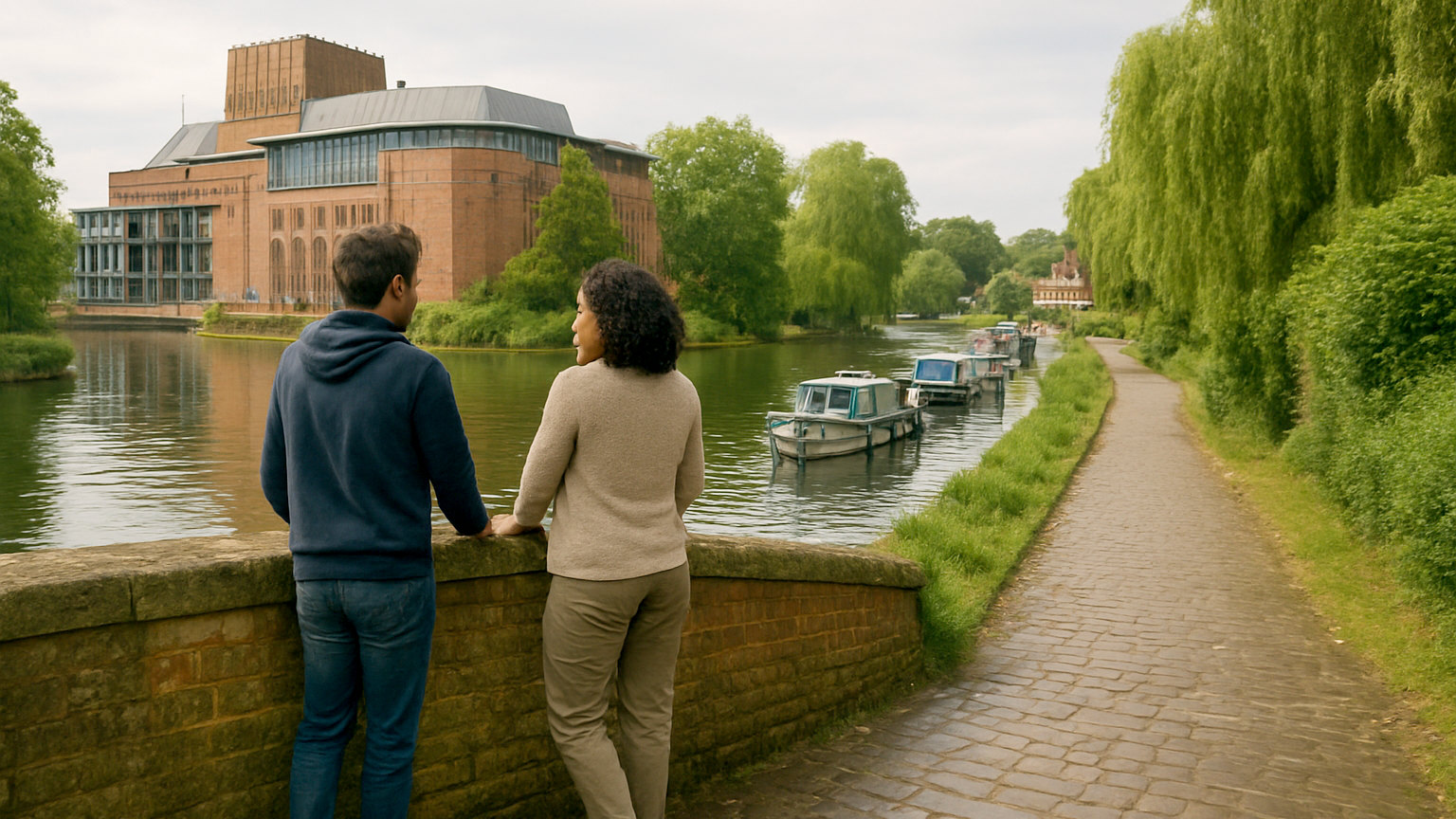
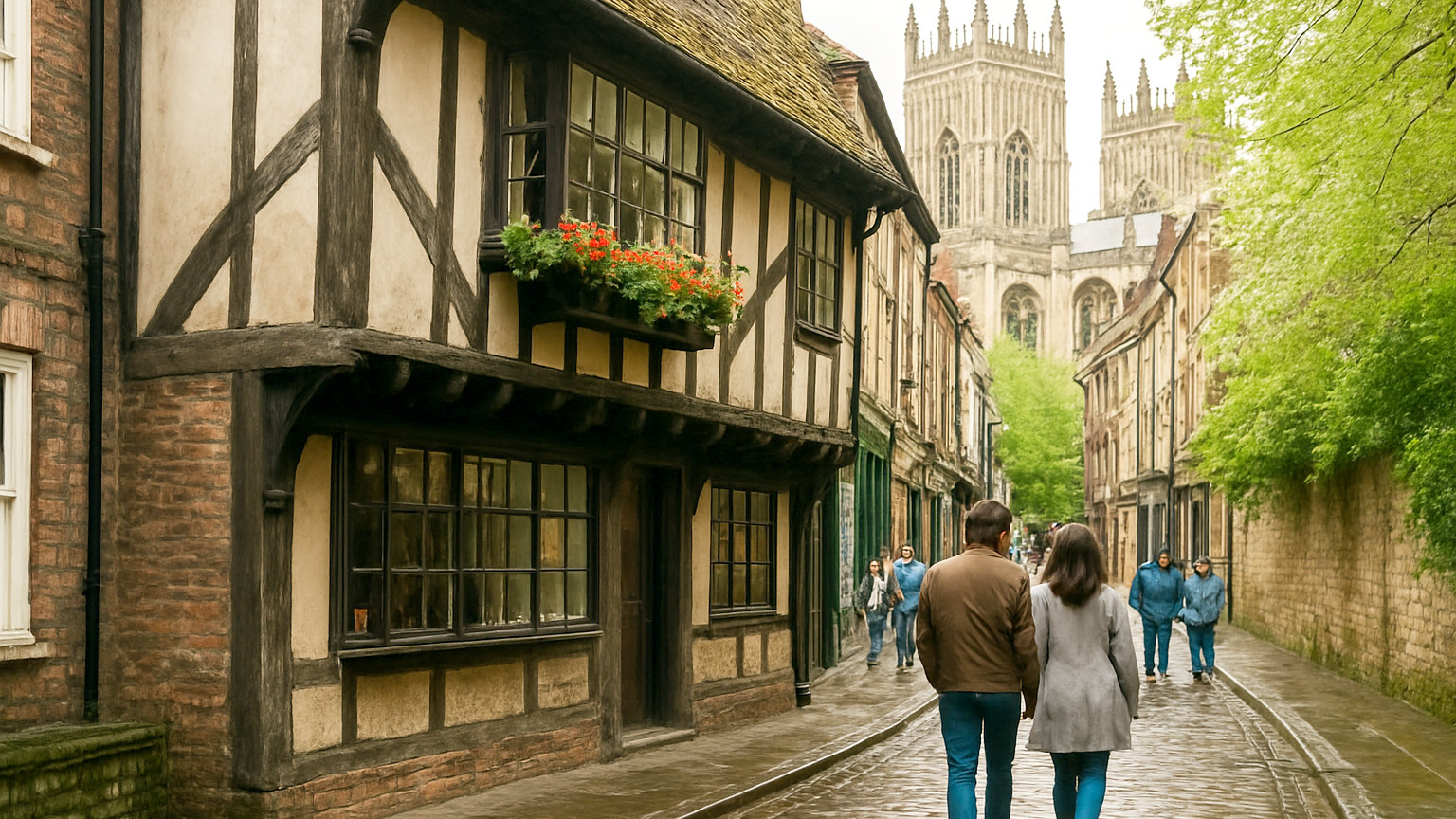
More than people expect. On popular trails you meet the same walkers repeatedly over several days, since everyone is doing similar distances between the same villages, and evenings in trail pubs are often communal.
It also suits solo travellers unusually well for that reason. Walking alone during the day and finding company in the evening is a common and comfortable pattern.
What do people find hardest?
Feet, almost universally. Blisters end more walking holidays than fitness does, and they are largely preventable with boots that are broken in and socks that fit properly.
After that: the psychological weight of a long afternoon in rain, and the discovery on day two that the pack is heavier than it seemed at home.
Who does it suit?
People who like routine, being outdoors and a clear daily objective, and who are content with the same conversation, the same landscape type and the same pub routine for several days.
It suits poorly anyone who needs variety, anyone travelling with someone of substantially different fitness, and anyone who would resent being unable to change the plan when it rains.
What is the reward?
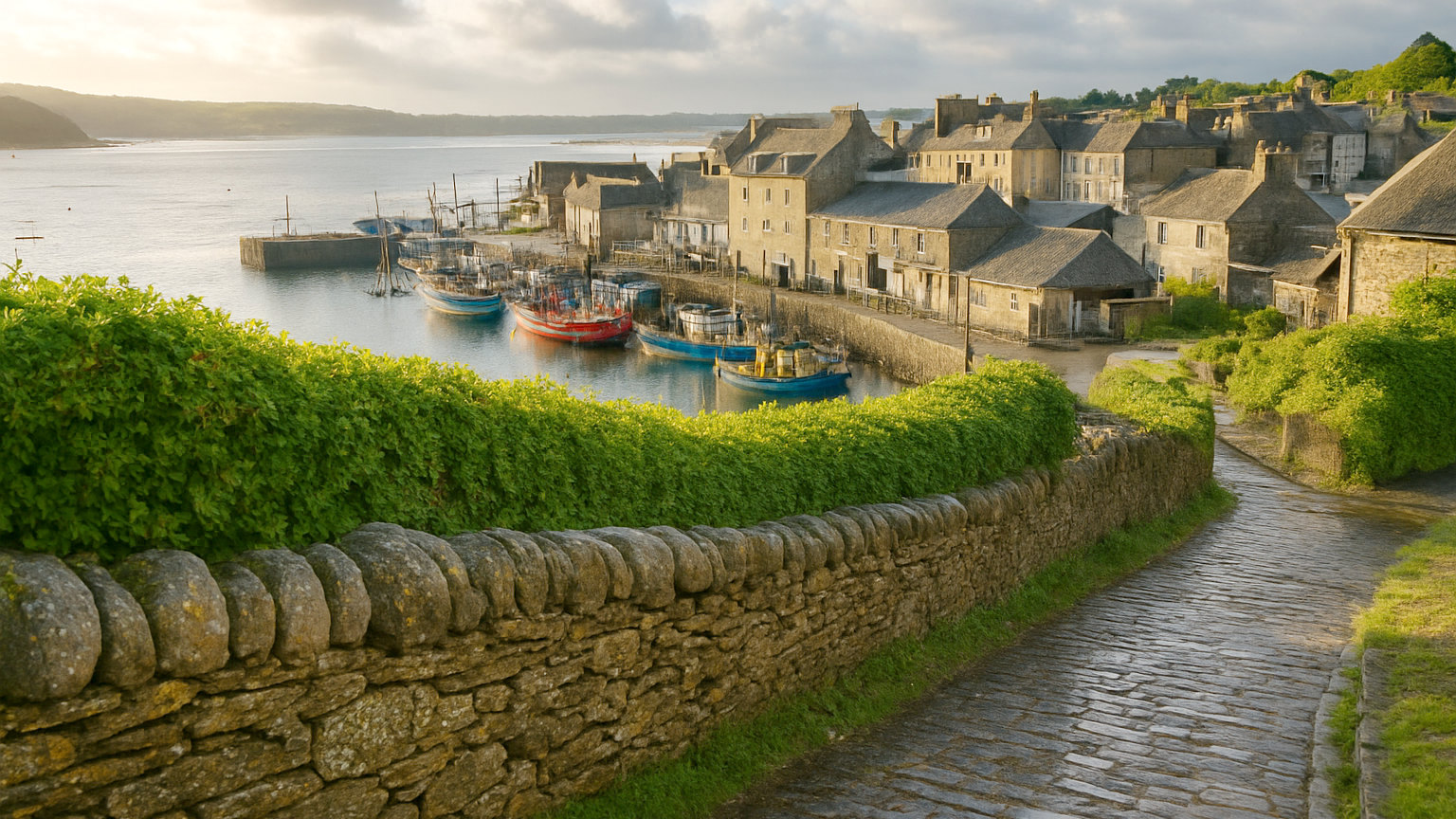
The gradual accumulation. Crossing a country on foot, or walking a whole coastline, produces a sense of the place that no amount of driving between viewpoints matches. You see the landscape change slowly and you earn each view.
People also report the mental effect strongly: several days of walking with nothing to decide beyond where to stop for lunch is genuinely restorative in a way a busy holiday is not.
How should you start?
With a short one. Three or four days on a well marked, low level trail with baggage transfer tells you whether you enjoy the format at low cost and low risk.
Committing two weeks and a Pennine crossing as a first attempt is how people discover in the rain on day three that this was never going to suit them.