There are three ways to do a long distance walk in Britain: with a guide and a group, on a self guided package where a company arranges the logistics but you walk alone, or entirely independently. They suit different people and the choice matters more than most first timers realise.
What does a guided walk involve?
A leader who navigates, sets the pace and knows the route, walking with a group of typically eight to sixteen people. Accommodation, baggage transfer and often some meals are included, and the itinerary is fixed.
The guide handles everything, including deciding to take a low level alternative when the weather turns, which is a genuine safety benefit in the mountains.
What does self guided mean?
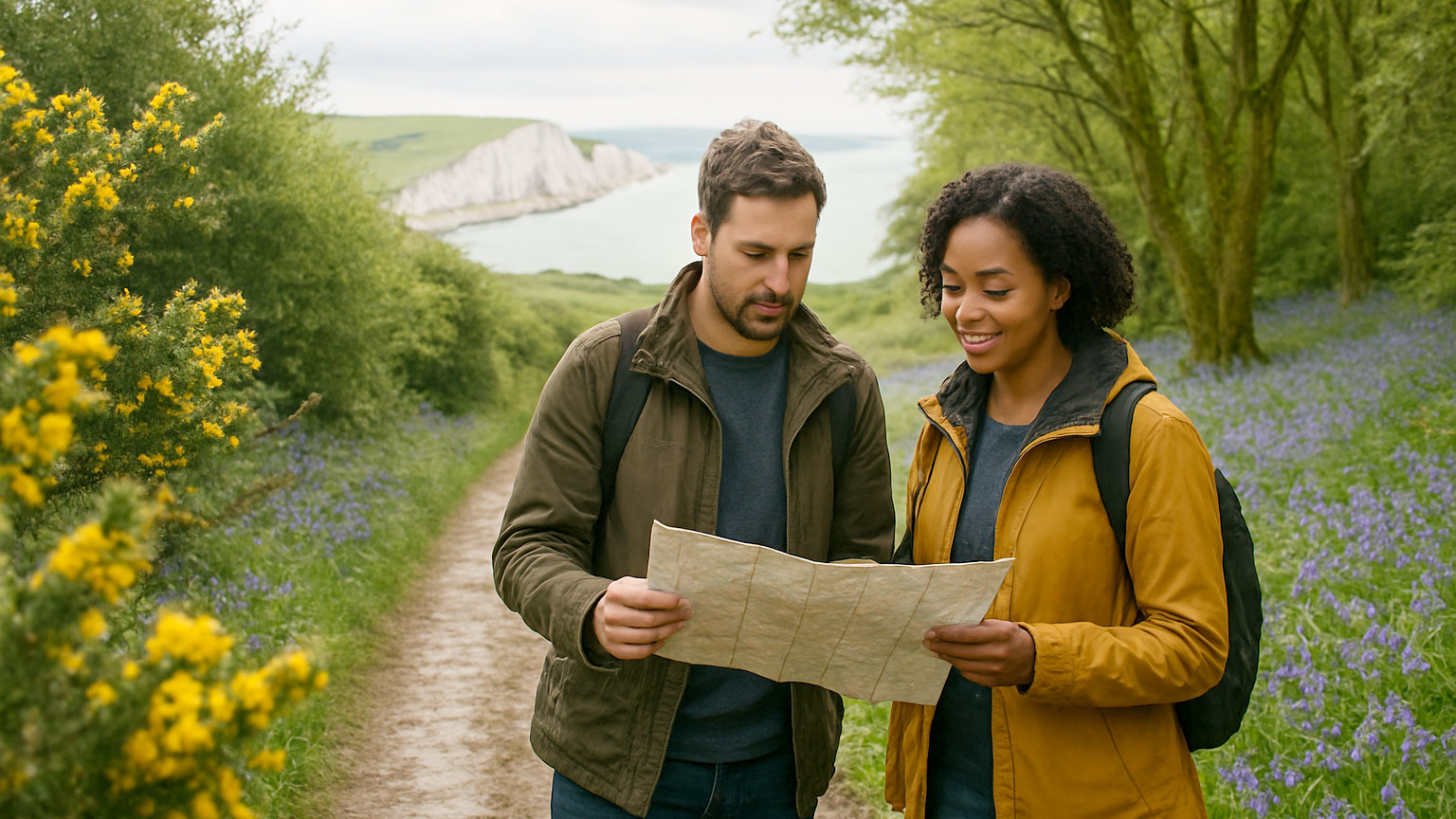
A company books your accommodation along the route, arranges baggage transfer and provides maps and route notes. You walk alone, at your own pace, with no leader and no group.
It is the most popular format on British trails. You get the logistics handled without the group, and you can start when you like and stop where you like during the day.
What about going fully independent?
You book everything yourself, navigate yourself and either carry your kit or arrange transfer separately. It is the cheapest option and the most flexible, and it takes several evenings of planning.
Most experienced British walkers work this way. It also allows you to change the plan mid trip, which packages do not.
Who should choose guided?
Anyone not confident navigating, anyone walking in mountains for the first time, and solo travellers who want company rather than solitude.
It also suits people who want to learn, since a good guide teaches navigation and hill skills over a week, and anyone who would rather not think about logistics at all.
Who should choose self guided?
Couples and pairs, walkers confident on waymarked trails, and anyone who wants the solitude of walking alone but not the planning. It is the natural first step for someone moving on from guided walks.
It works best on well waymarked lowland and coastal trails where navigation is straightforward. On the Pennine Way or in the Cairngorms it demands more.
How do the costs compare?
Guided is the most expensive, reflecting the leader's time and the group logistics. Self guided sits in the middle. Independent is cheapest, though the accommodation cost is the same either way and the saving is the company's margin.
Camping independently is dramatically cheaper than any of the three and a different kind of holiday.
Is a group a benefit or a problem?
Both, depending on the person. A group gives company, shared meals and safety in numbers, and walking at somebody else's pace for a week is either restful or infuriating.
Solo travellers frequently report guided walks as the best format precisely because the sociability is built in without needing to arrange anything.
What should you check before booking a package?
What the daily distances actually are, since companies grade routes differently. What is included and what is not, particularly evening meals and transfers at either end. Whether the accommodation is on the route or requires a taxi.
Also whether route notes are supplied in addition to maps, and how the company handles a day you cannot complete.
Which should a first timer choose?
Self guided on a well marked lowland trail, for most people. It provides the support without the group and gives a genuine sense of doing it yourself.
Guided is the better choice for a first mountain trail, where navigation and weather judgement matter and getting them wrong has consequences beyond an inconvenient afternoon.
What about walking clubs?
A fourth option worth knowing about. Rambling and mountaineering clubs run led walks and trips throughout Britain, usually at very low cost, and they are the traditional way people learned hill skills before commercial guiding existed. Membership costs little, the walks are graded by difficulty, and for anyone wanting to build confidence and meet other walkers before committing to a holiday, a few club days are the cheapest possible introduction.