England and Wales have a network of national trails, Scotland has its Great Trails, and between them they cover well over two thousand miles of waymarked long distance walking. They differ enormously in difficulty, and choosing a hard one first is the most common way people conclude that walking holidays are not for them.
What makes a trail suitable for a first attempt?
Good waymarking, so navigation is not a skill requirement. Low level terrain without serious ascent. Frequent villages, so accommodation and food are available and a day can be shortened if needed. And decent public transport for escape and access.
Trails failing those criteria are perfectly walkable but should not be the first one.
Which is the easiest to start with?
The South Downs Way, running around a hundred miles from Winchester to Eastbourne along chalk ridge. It is well surfaced, superbly waymarked, has no navigational difficulty and is close to London with rail access at several points.
The ascent is gentle and cumulative rather than steep, the villages are frequent, and it can be walked comfortably in a week or split into weekends.
What about Hadrian's Wall Path?
An excellent second choice or a strong first one. Around eighty four miles coast to coast across northern England, walkable in six or seven days, with the Roman wall alongside for much of it.
It has genuine historical interest, which sustains motivation on a wet afternoon, and the central crags section is the most dramatic. Accommodation is well established along the route.
Which are the classic but harder options?
The Pennine Way, at around two hundred and sixty eight miles, is the oldest national trail and remains the hardest, with exposed moorland, peat bog, serious navigation and a reputation earned over decades.
The Southern Upland Way in Scotland is long, remote and thinly provisioned. The Cambrian Way in Wales is mountainous throughout. None of these is a first trail.
What about the West Highland Way?
The most popular long distance route in Scotland, running ninety six miles from Milngavie near Glasgow to Fort William, usually walked in seven or eight days.
It is well waymarked and well served, which makes it accessible, but it is genuinely mountainous in the second half and considerably harder than the South Downs. It is a reasonable first Scottish trail for a fit walker.
Which is best for coastal walking?
The Pembrokeshire Coast Path, around a hundred and eighty six miles and consistently rated among the finest coastal walks in the world. It is well waymarked and served by coastal buses, which makes day sections easy.
The South West Coast Path is the longest national trail at around six hundred and thirty miles, and almost nobody walks it in one go. Individual sections in Cornwall and north Devon make excellent week long trips.
How long should a first trail be?
Three to seven days. A week is enough to experience the rhythm properly without committing to a fortnight, and most of the shorter trails or a section of a longer one fits comfortably.
Several trails divide naturally into week long sections with transport at each end, which is how the majority of people walk the long ones.
What about Northern Ireland and Scotland's other routes?
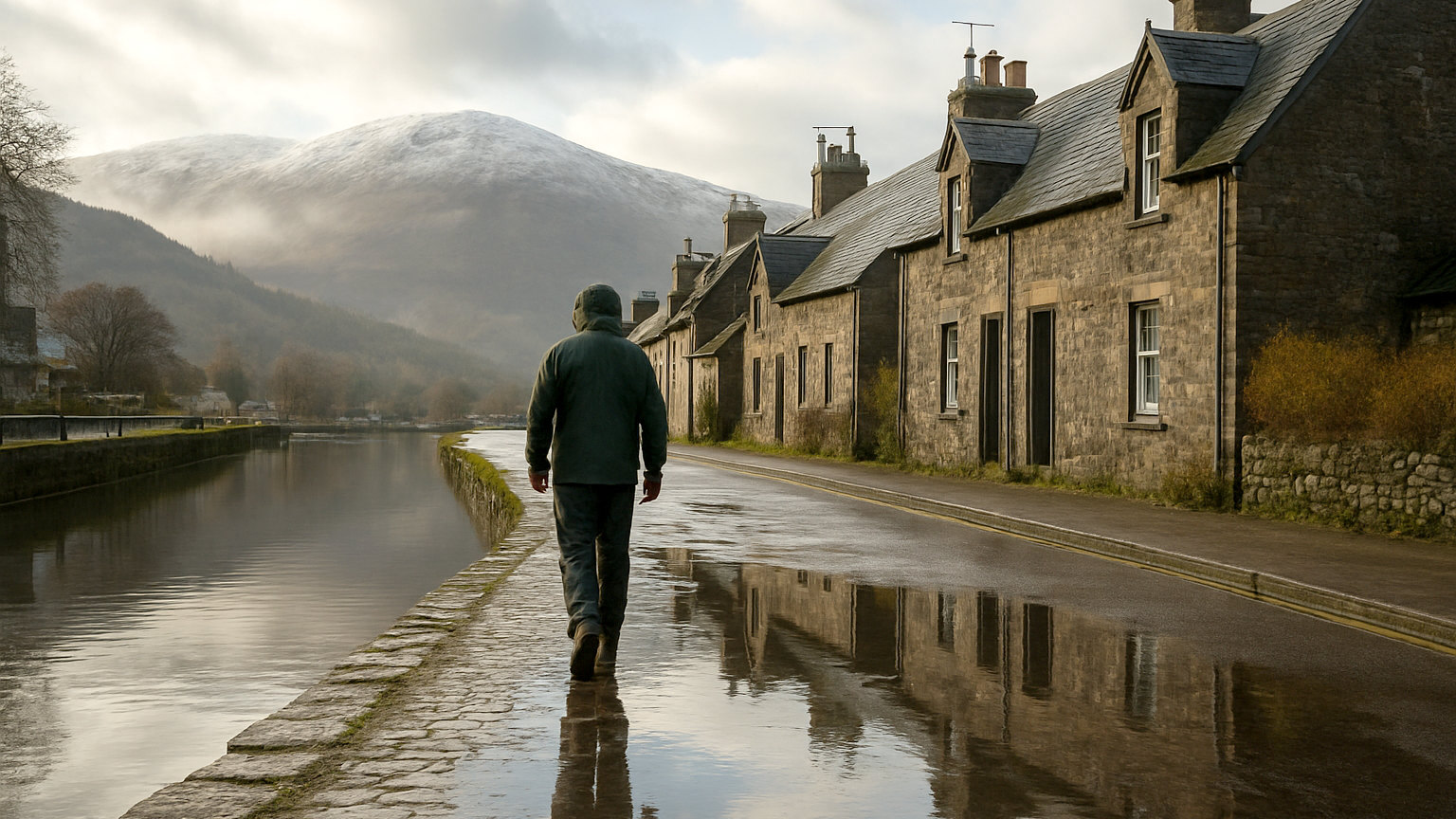
The Great Glen Way runs seventy nine miles from Fort William to Inverness along canal towpath and forest track, and is among the gentlest long routes in Scotland.
The Fife Coastal Path and the John Muir Way are both accessible and low level. In Northern Ireland the Causeway Coast Way covers the best of the north coast in a short and spectacular route.
How should you choose?
Start with how much ascent you are prepared to do and how confident you are navigating, then pick the trail that matches. Distance matters far less than terrain and waymarking.
The trails people abandon are almost always the ones chosen for their reputation rather than their suitability.