Domestic honeymoons have become considerably more common, whether as a full trip or as a short break taken immediately with a longer one later. They work well, and the single most useful planning insight is that you will both be far more tired than you expect and should build the trip around that rather than around ambition.
What should the first few days look like?
Restful and close. Most couples are exhausted after a wedding, and a long journey or an early flight the following morning is a poor start.
Somewhere within an hour or two, for the first two or three nights, with good food and nothing scheduled, is a far better opening than a demanding travel day. The more ambitious part of the trip can follow.
Is a short trip now and a longer one later a good idea?
It works well and has become common. A few nights immediately afterwards while the wedding is fresh, then a longer trip weeks or months later once work and finances have recovered.
It also allows the longer trip to be planned properly rather than squeezed into the fortnight after a wedding.
Where should you go?
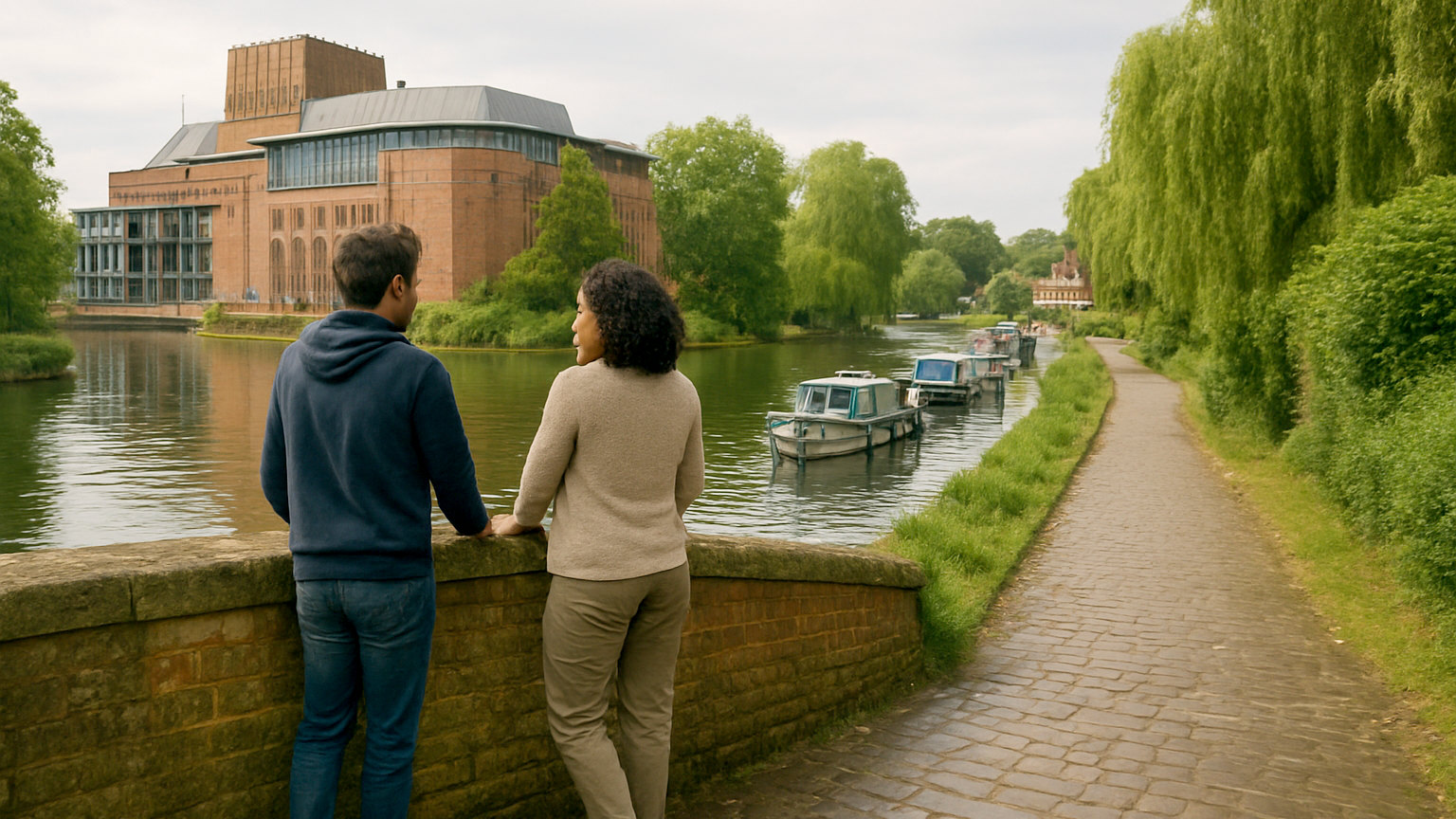
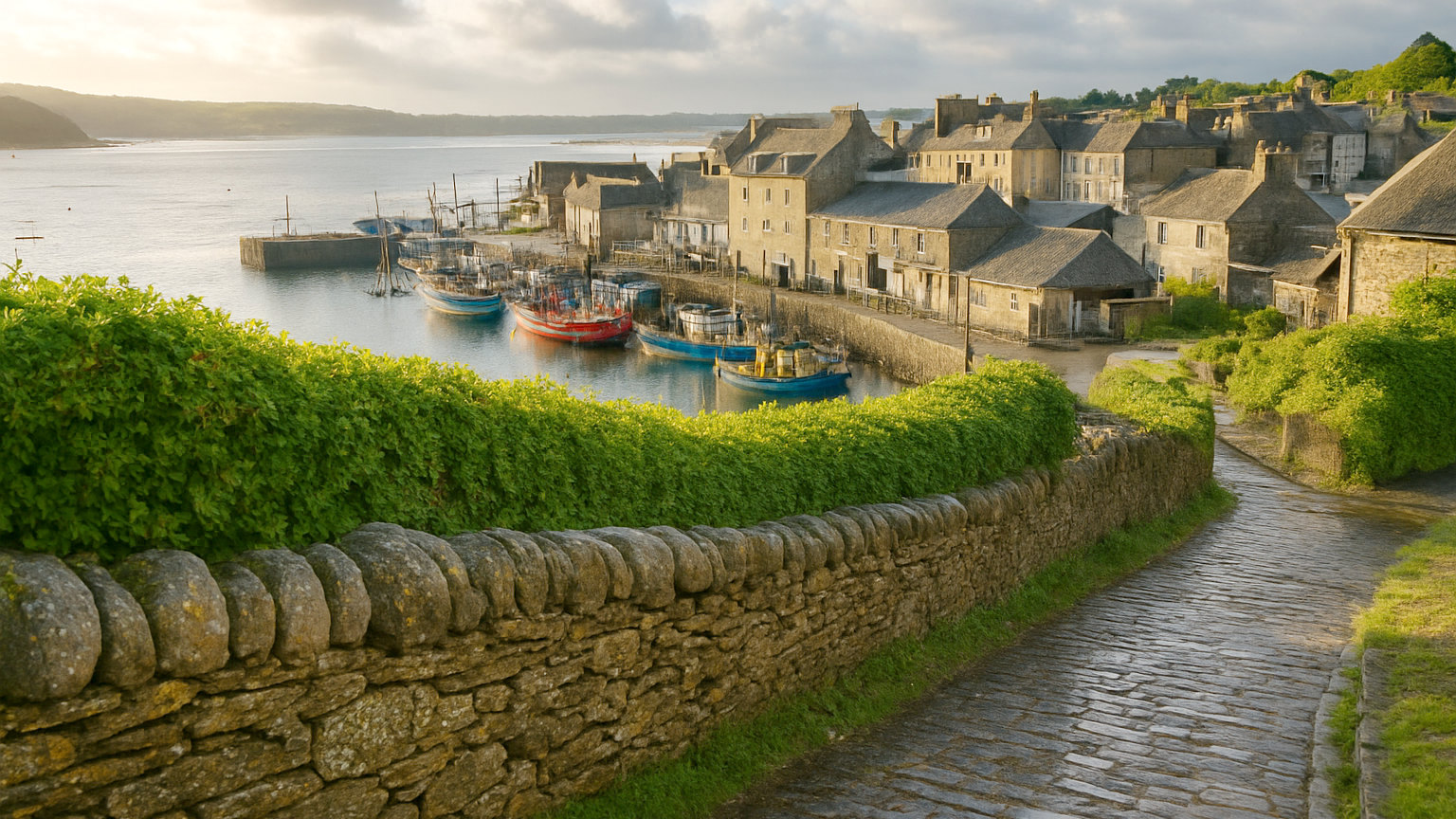
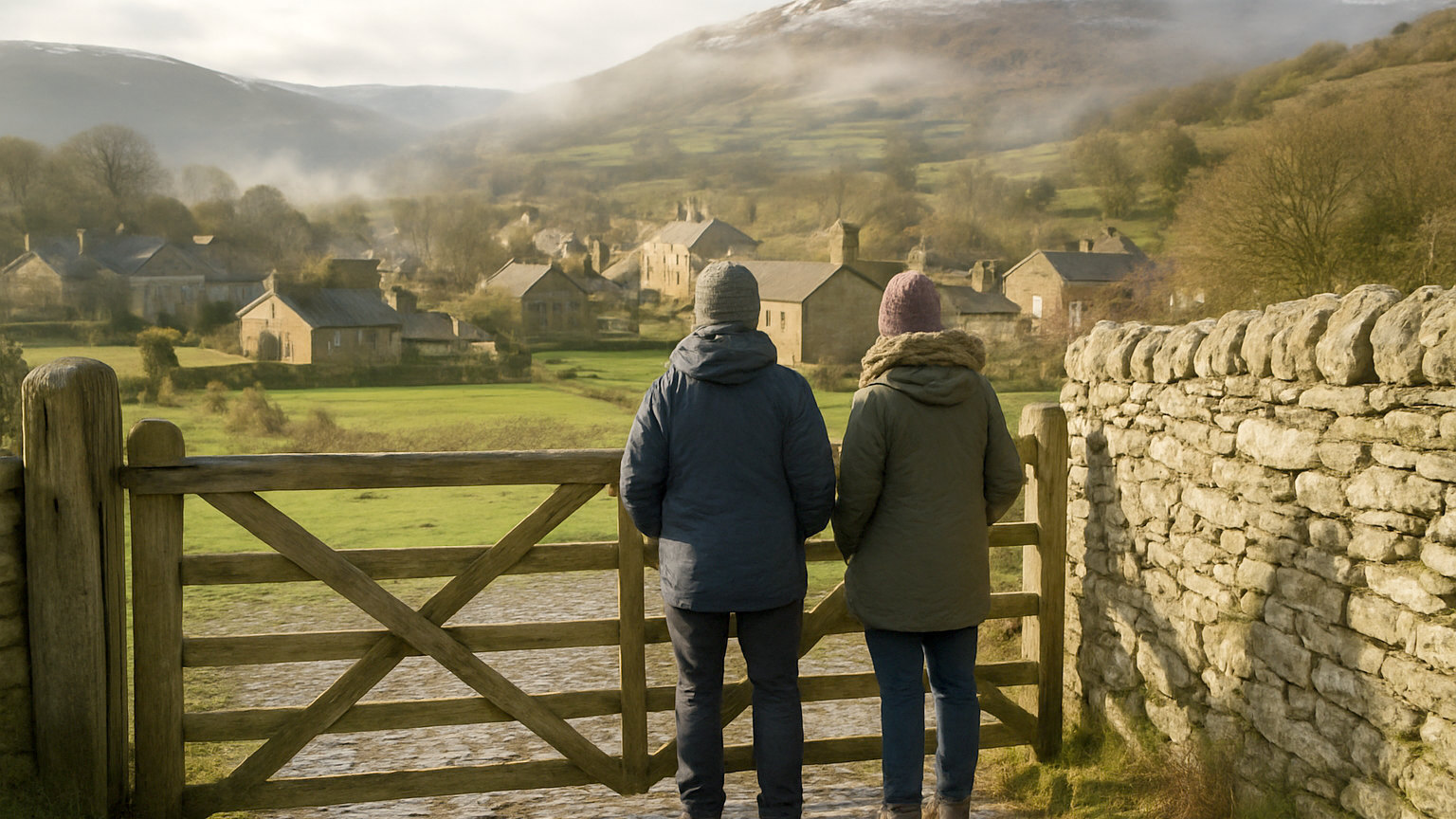
Somewhere with space and few people. The Scottish Highlands and islands, the far south west, Northumberland, mid Wales and the Lake District's quieter valleys all deliver a sense of occasion without crowds.
Islands work particularly well because arriving somewhere by boat marks a clear separation from everything you have just organised.
What kind of accommodation suits it?
Somewhere you do not have to leave. A country house hotel with grounds, an inn with a serious kitchen, or a cottage remote enough that going out is optional rather than necessary.
Self catering suits couples who want privacy and no need to appear at breakfast. Hotels suit those who want to be looked after and not cook, which after a wedding has considerable appeal.
Should you tell them it is a honeymoon?
Yes. Almost every property will do something, and several will upgrade where they can. It costs nothing to mention at the time of booking.
Be aware that some places make more of it than others, and if you would rather not have a fuss, saying so is equally worth doing.
How long should it be?
A week is comfortable for a domestic honeymoon and ten days generous. Longer than that in one place, with only each other for company and no plans, suits some couples and not others.
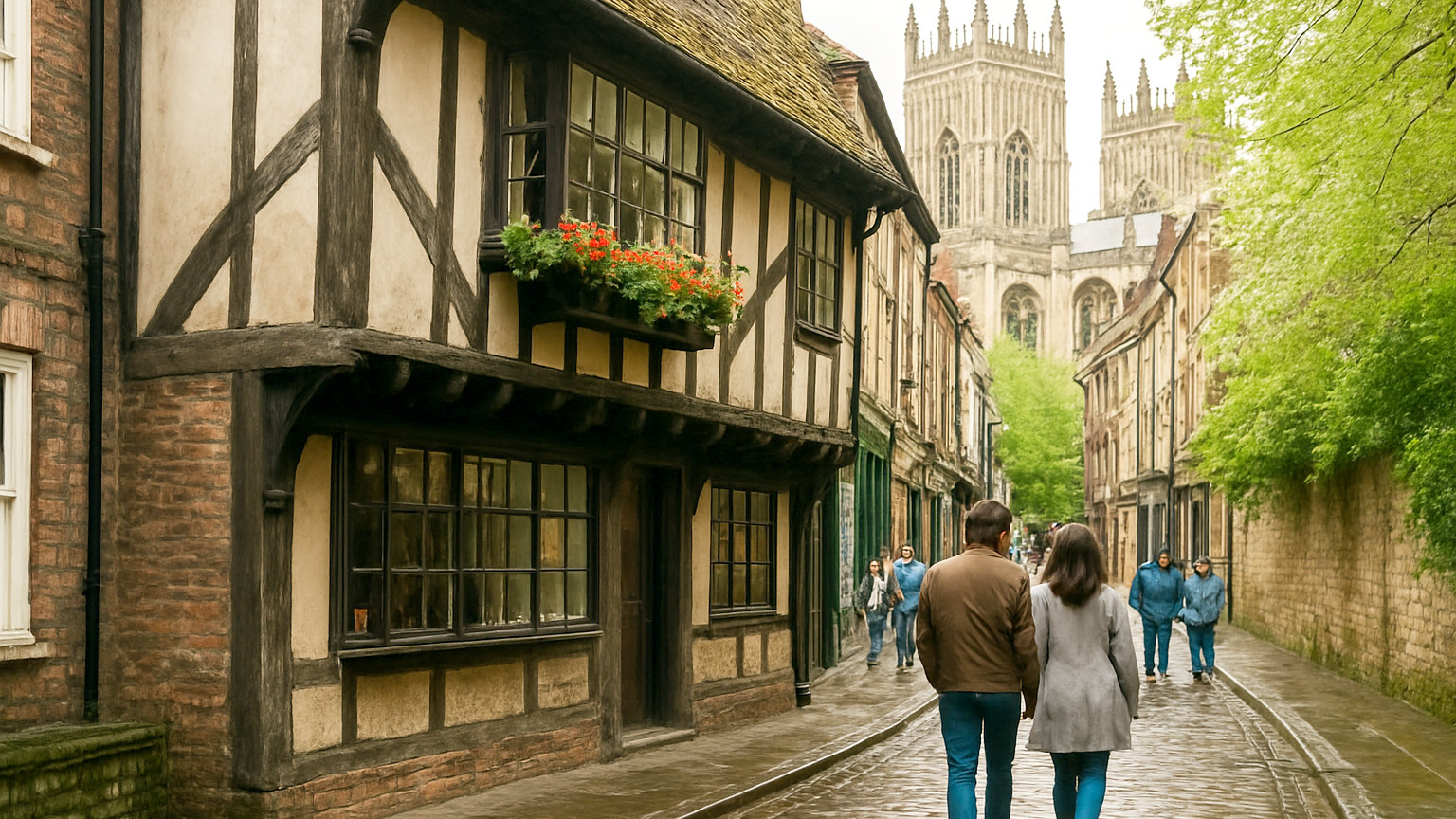
Splitting a longer trip between two contrasting places, such as an island and a city, works well and prevents the second week feeling like a repeat of the first.
When should you travel?
Whenever the wedding allows, though the shoulder seasons of May, June, September and early October give the best combination of weather, light and availability.
Summer weddings mean a peak season honeymoon, which needs booking well ahead. Winter weddings open up the quietest and cheapest months for the trip afterwards.
What should you book in advance?
Everything for the first few days, because nobody wants to be making decisions that week. After that, leave room, since the appeal of a honeymoon is largely the absence of obligation.
One good dinner booked per couple of days is enough structure. Anything more starts to resemble the wedding you have just finished organising.
What do couples say afterwards?
Almost universally, that they wish they had done less. The trips remembered warmly are the ones with long mornings, a walk, a good meal and no itinerary.
Britain is well suited to that, and a domestic honeymoon has one substantial advantage over a distant one: no flights, no jet lag, and nothing to organise on the day after the biggest day of organising you have ever done.
What are the practical advantages?
No flights, no airport, no jet lag and no currency, which after a wedding matters more than it sounds. If something is forgotten it can be bought, and if either of you falls ill the health service is the one you are registered with. Domestic honeymoons also allow a last minute change of plan, which an international trip booked months ahead does not, and that flexibility is worth a great deal in the week after a wedding.