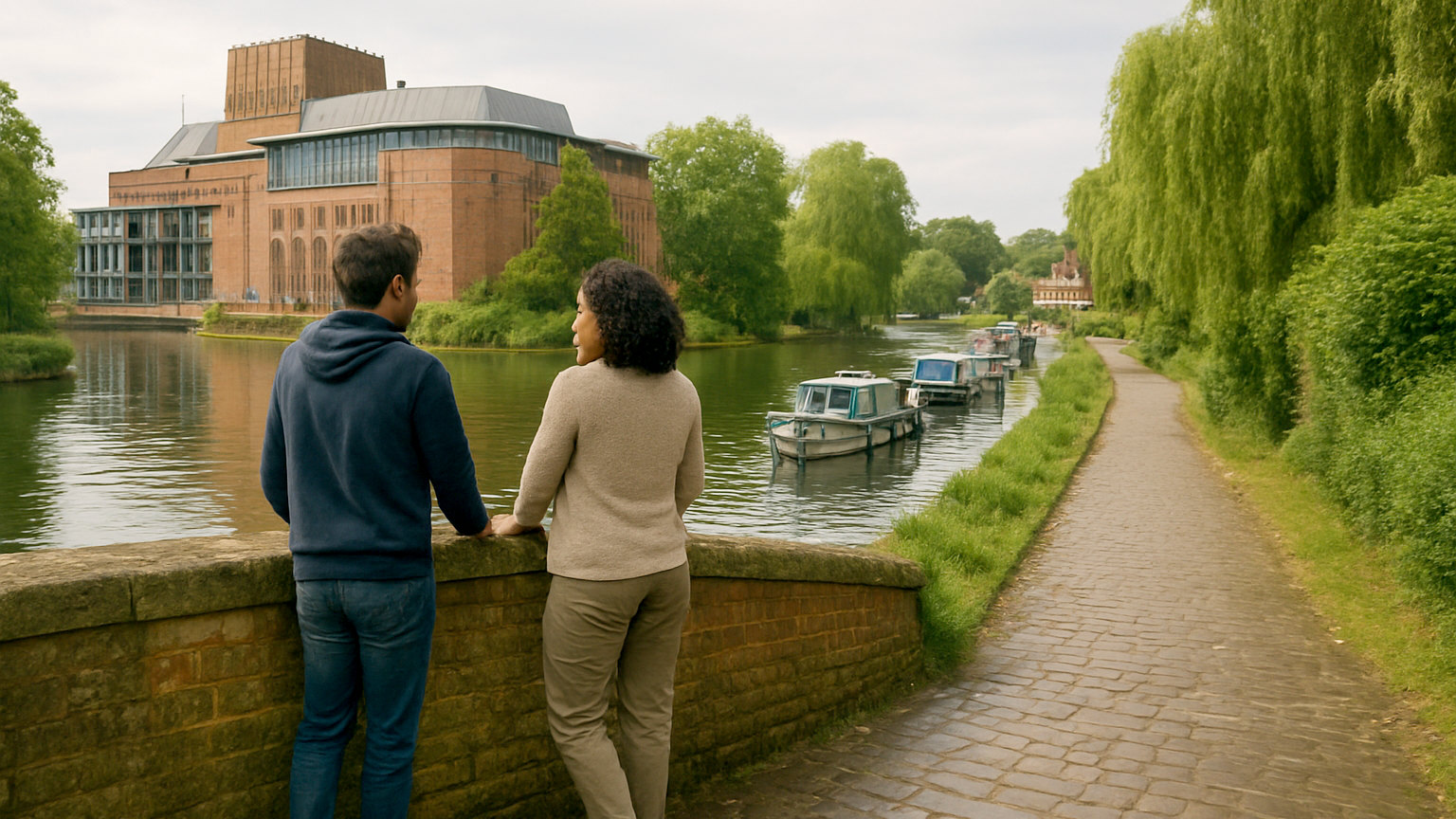
A first weekend away together is partly a holiday and partly a compatibility test, and people discover things about each other on trips that months of dinners do not reveal: whether one of you plans obsessively, whether the other needs a lie in, how you both handle a wrong turn in the rain.
How long should it be?
Two nights. Long enough to relax and short enough that if it turns out you travel very differently, it is a weekend rather than a fortnight.
A single night is barely worth the packing. A week for a first trip is a considerable bet on an untested combination.
How far should you go?
Under two hours if possible, and certainly under three. A long drive at the start puts everyone in a worse mood before the trip begins, and it is the most avoidable source of friction.
Somewhere reachable by train is better still, since neither of you is stuck driving and the journey itself becomes part of the weekend.
What kind of destination works best?
Somewhere with options. A small city or a decent sized town gives you things to do if the weather turns, choices for dinner and the ability to change plans without a car.
Remote cottages are wonderful and they are a stronger test. If neither of you has spent three days alone together with no distractions, a first trip is an ambitious moment to find out.
Which places suit it particularly well?
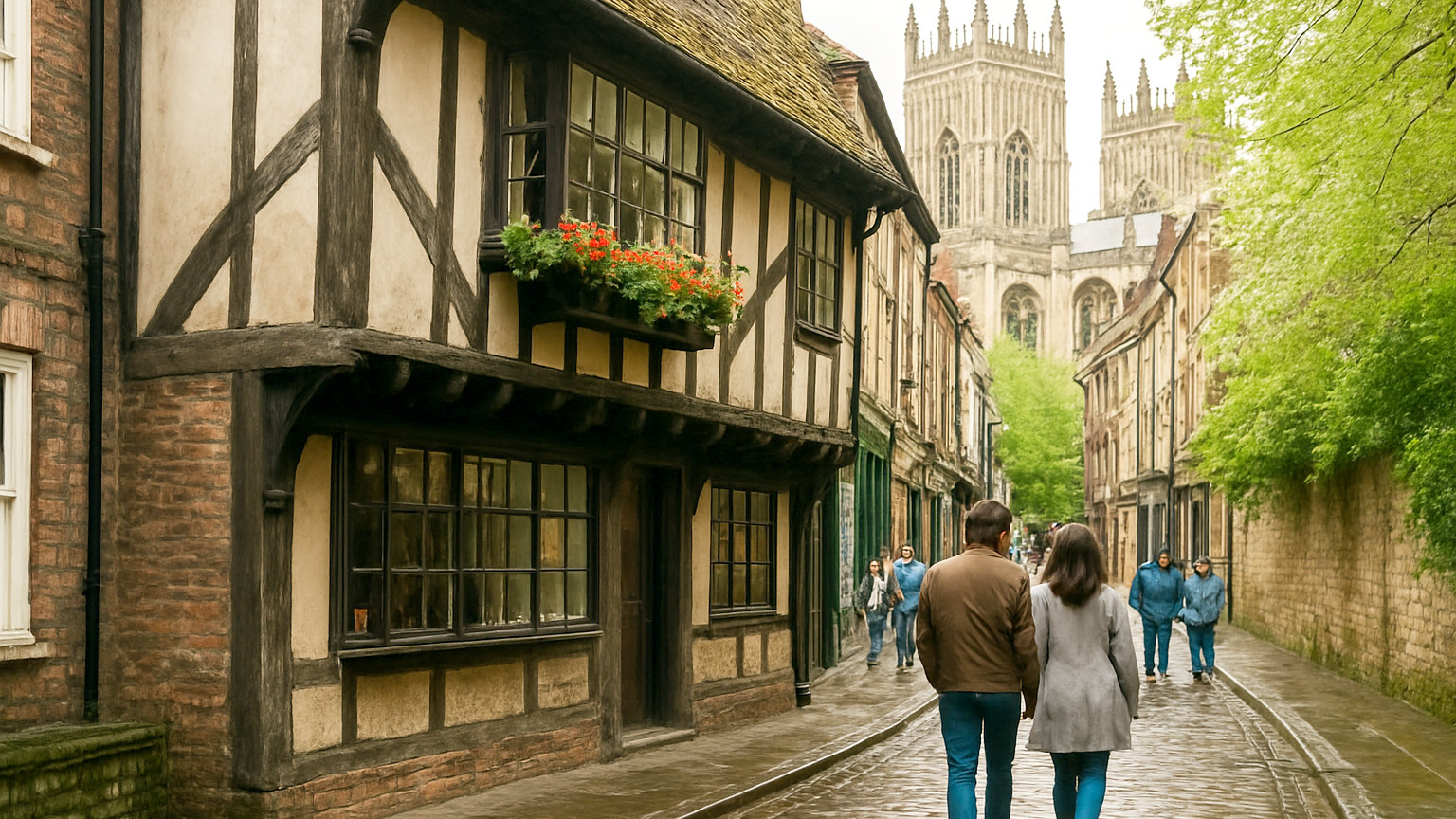
York, Bath, Edinburgh, Chester and Durham, all compact, walkable, easy to reach by train and full enough that a wet afternoon is not a problem.
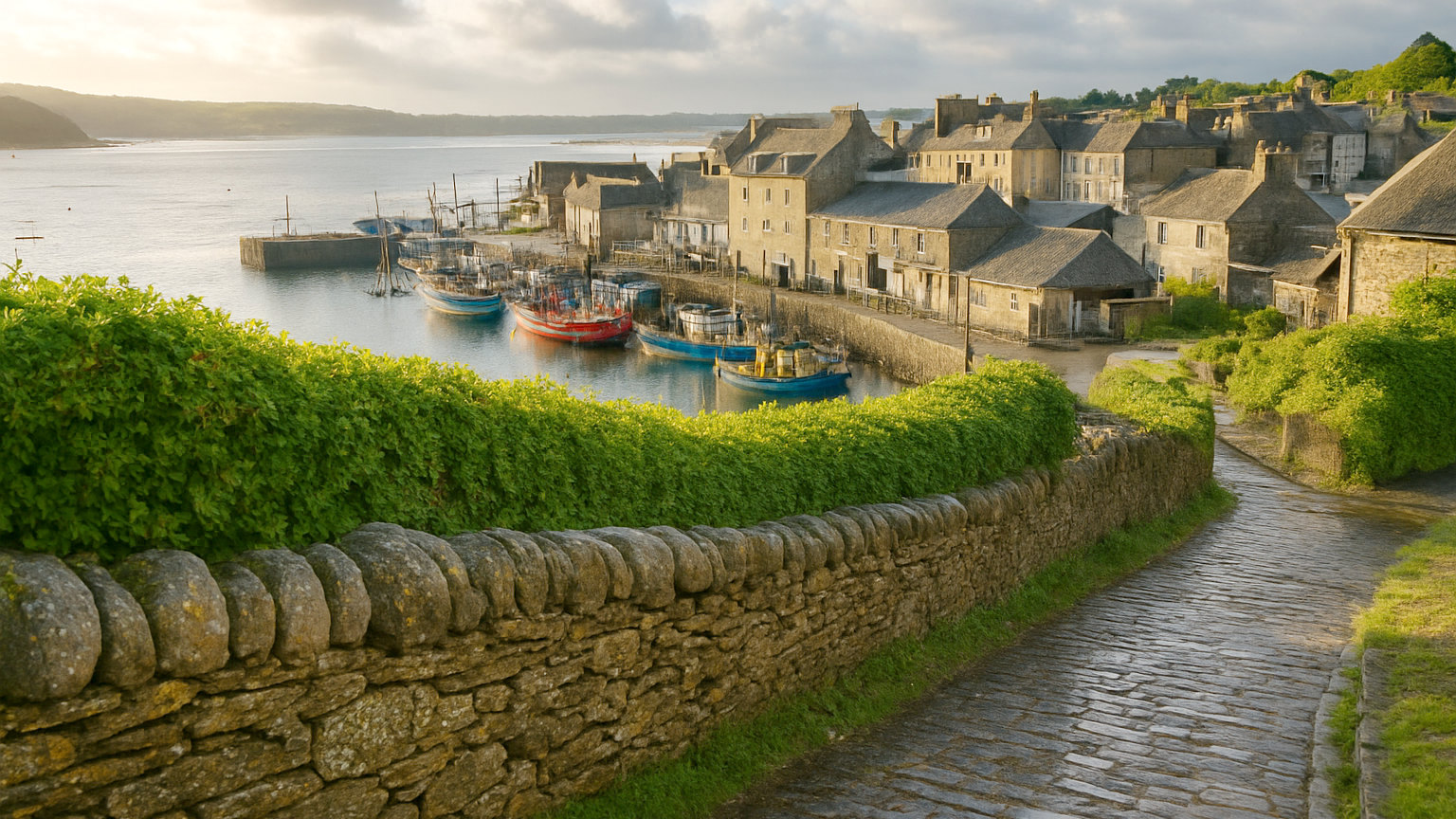
Coastal towns such as Whitstable, Aldeburgh, Tenby and Deal work well for the same reason: a walk, a beach, somewhere good to eat, and no need to plan anything.
How much should you plan in advance?
Accommodation and the first evening's dinner. That is genuinely all, and doing more risks one person imposing a schedule the other did not want.
Have two or three ideas for each day rather than a plan. It allows you to discover what you both actually enjoy rather than executing an itinerary.
Who should book it?
Both of you, ideally, or at least both agreeing the shape of it. A weekend planned entirely by one person is a gift and also a set of assumptions about what the other person likes.
If it is a surprise, ask about the practical things beforehand: dietary requirements, what they would rather not do, and whether they need to be back for anything.
What should you talk about beforehand?
Money, briefly and unromantically. Who is paying for what, and roughly what level you are both comfortable with, avoids an awkward moment at the end of a good dinner.
Also the practical stuff: what time you each like to get up, whether either of you wants a lie in, and whether one of you plans to work.
What should you avoid?
Long journeys, tight itineraries, anything requiring a specific dress code, activities one of you clearly chose for both, and destinations where a wet day leaves nothing to do.
Also avoid making it an enormous statement. A modest, well chosen weekend goes better than an expensive one carrying expectations neither of you can meet.
What does a good first trip look like?
Two nights somewhere small and walkable, a good dinner booked for the first evening, a long unhurried Saturday with a walk in it, and nothing arranged for the Sunday morning.
If you both enjoy that, you have learned something useful and had a nice weekend. If you did not, you have learned something more useful still and only lost two days.
How should you handle the journey?
Treat it as part of the weekend rather than an obstacle. A train journey with a coffee and a conversation starts the trip properly; a tense drive through Friday traffic does not. If you are driving, leave later than the rush or earlier than it, and agree beforehand who navigates, since the first argument on a first trip away is disproportionately often about a missed junction.