Camping is by a wide margin the cheapest way to take a family away in Britain, and for many children it is the holiday they remember most. It is also the most exposed to weather and the most dependent on preparation, and a first attempt that goes badly tends to end the idea permanently.
What makes it work?
A good site, dry bedding and low expectations about comfort. Children are considerably more tolerant of basic conditions than adults, and their enjoyment comes from the freedom rather than the facilities.
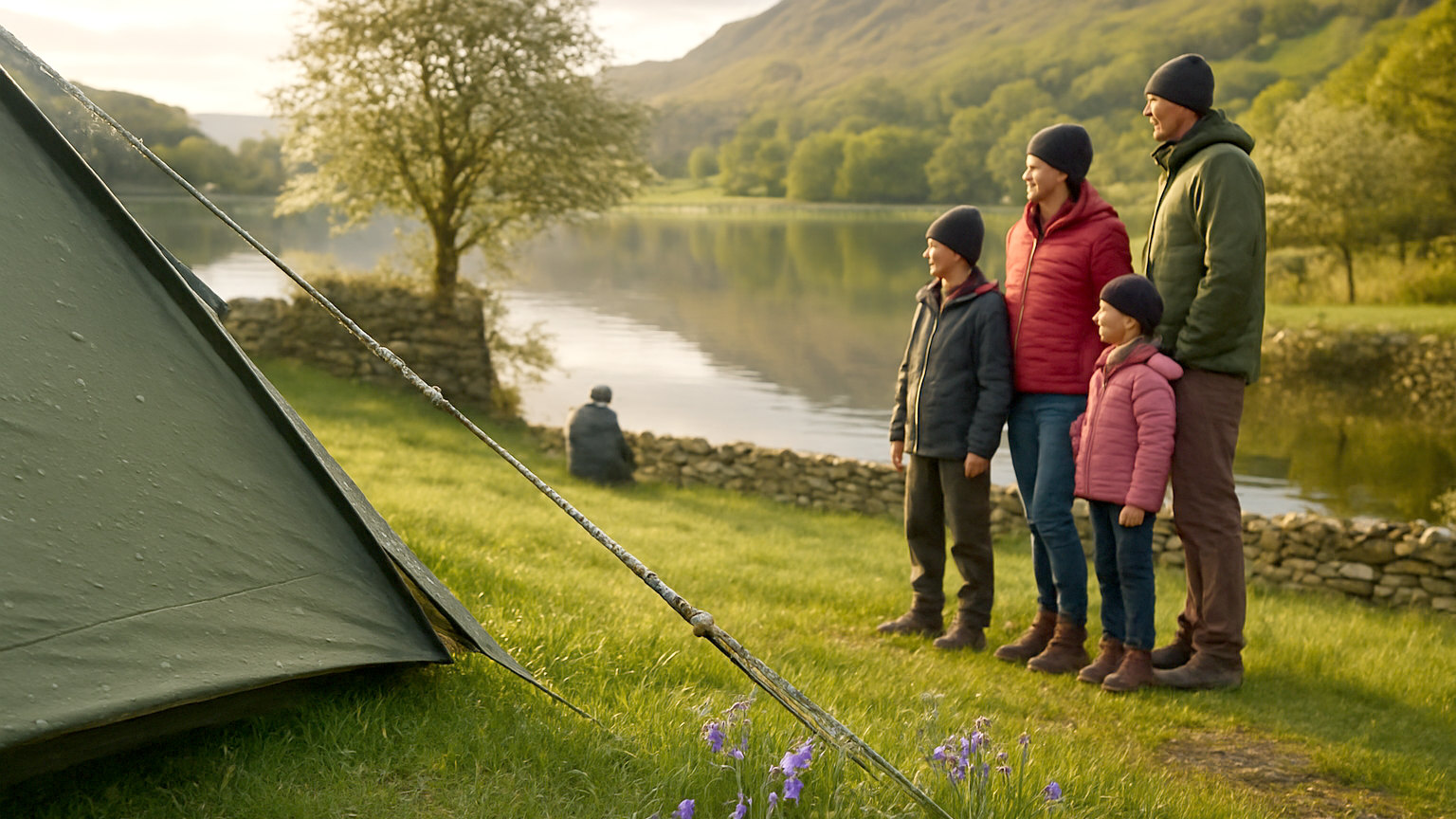
The freedom is the real appeal: on a decent family site, children can wander between tents, find other children and be out of sight in a way that is rare elsewhere.
How do you choose a site?
For a first trip, choose one with proper facilities: clean showers, hot water, a washing up area and ideally a shop and a play area. Certificated sites and wild fields are cheaper and much harder work with children.
Look for sites that welcome families explicitly, since some are adults only or have quiet policies that make a family group awkward. Check whether campfires are permitted, which children care about disproportionately.
What kit actually matters?
Sleeping mats and sleeping bags rated for the temperature, which is where most first time campers economise and regret it. British nights are cold even in July, and a cold child does not sleep.
A tent big enough to sit up and move around in, with a porch for wet clothing and boots. A torch or lantern each. Everything else can be improvised or borrowed.
What about cooking?
Keep it simple for a first trip. A two burner gas stove handles most things, and one pan meals reduce the washing up, which without hot water at the pitch is the least enjoyable part of camping.
Many family sites have a shop or a food van, and eating out once or twice removes the pressure. A cool box with ice packs replaced daily works well for a few days.
How do you handle wet weather?
Plan for it rather than hoping. A tent with a decent porch or an additional shelter transforms a wet day, since somewhere dry to sit that is not a sleeping compartment is the difference between coping and packing up.
Waterproofs and wellingtons for everyone, spare dry clothes stored in sealed bags, and a nearby indoor option identified in advance. Two consecutive wet days is where most family camping trips end early.
What age does it start working?
From about four upwards is easiest, when children can walk, sleep through and manage the toilet block at night. Camping with babies and toddlers is done successfully by many families but is considerably more work.
By seven or eight most children love it, and by early teens they will happily spend the entire time away from the tent with other children.
How cheap is it really?
A pitch for a family costs a fraction of any other accommodation, and in the shoulder seasons it is very cheap indeed. The initial kit is the main cost and is spread across several years of use.
Borrowing or buying second hand for a first attempt is sensible, since you will learn what you actually need and a good deal of camping equipment is sold barely used by families who tried it once.
Where should you go first?
Somewhere close to home for a first trip, ideally one or two nights, so that abandoning it is not a disaster. A site within an hour makes the trial low risk.
After that, the coast and the national parks have the widest choice, and several sites in forests and beside beaches are among the best located accommodation in the country at any price.
What is the honest verdict?
With reasonable kit and a decent site, it is the best value family holiday available in Britain and children generally love it. With cheap sleeping bags in a wet week, it is miserable and puts families off for years.
Spend the money on sleeping arrangements and shelter, keep the first trip short and close, and treat the weather as a matter of clothing rather than luck.