Holiday parks occupy a specific place in British family holidays and attract strong opinions in both directions. What they offer is a large amount of organised activity in one place with no need to drive, which for some families is exactly right and for others is the opposite of a holiday.
What are the main types?
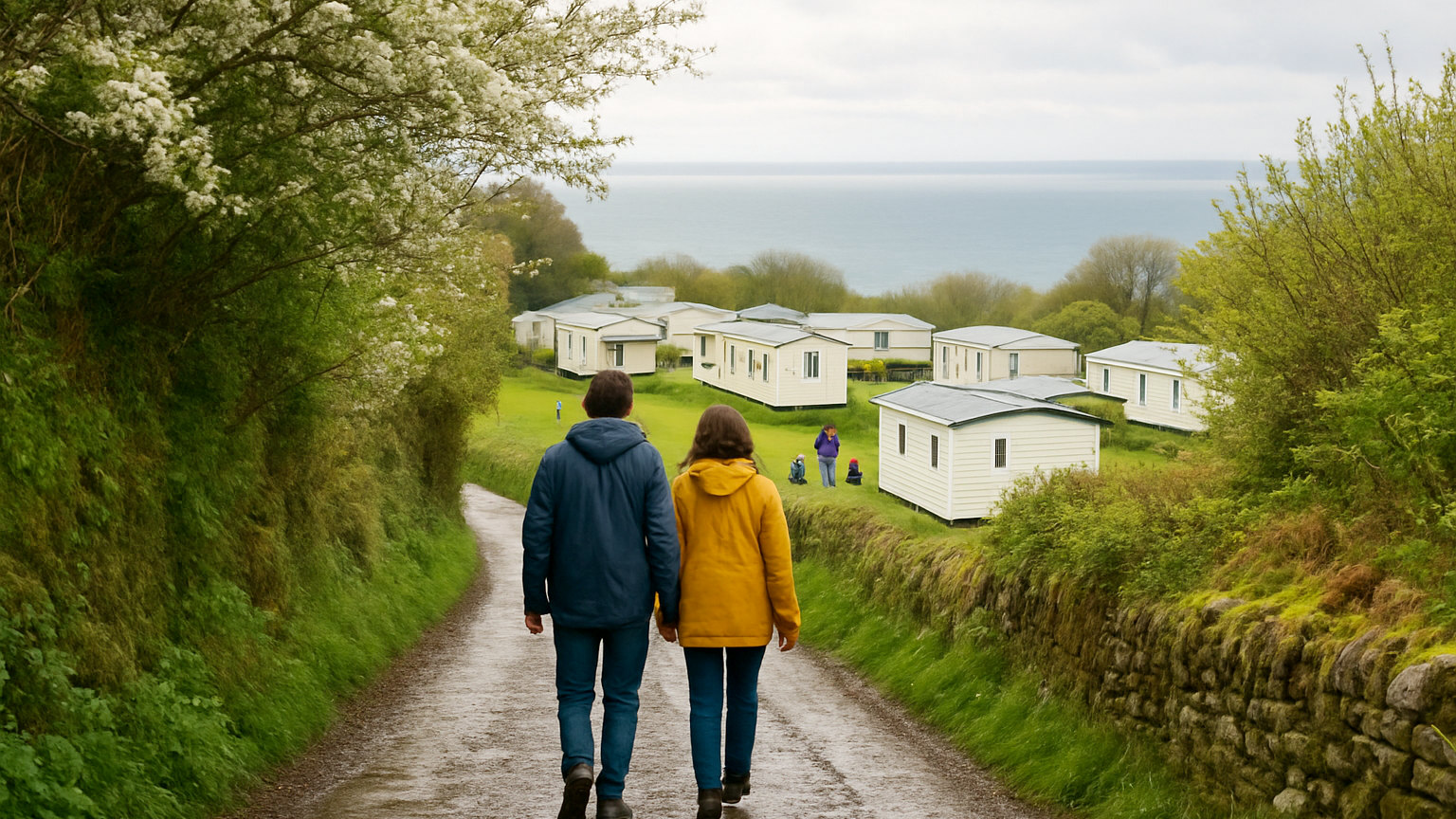
Traditional caravan and lodge parks, usually coastal, with a pool, entertainment and a clubhouse, sold as a full week including a static caravan.
Forest holiday villages, built around a central dome with a subtropical pool and a large range of paid activities. And smaller, quieter parks with pitches and lodges but little entertainment, which are closer to a campsite with facilities.
What is actually included?
Less than the marketing implies at the larger parks. The accommodation and usually pool access are included. Entertainment passes, activities, bike hire, swimming lessons, spa access and restaurants are frequently extra and add up quickly.
Read carefully what the headline price covers. A cheap week with four paid activities a day is not a cheap week.
Who do they suit?
Families with children roughly between four and twelve, where the children can be reasonably independent within a contained site and there is enough to do that nobody needs entertaining by parents.
They also suit families who do not want to drive, since everything is walkable, and multi family groups who want children occupied while adults sit down.
Who do they suit badly?
Anyone seeking quiet, anyone whose idea of a holiday involves exploring the surrounding area, and families with teenagers who find the organised activity childish.
The larger coastal parks in particular are busy, noisy and have a strong entertainment focus, which is either the appeal or the reason to avoid them.
What do the accommodations vary like?
Enormously, and within a single park. The cheapest static caravans are basic and may be at the far edge of the site next to the road; premium lodges have hot tubs and decking and cost several times as much.
Location within the park matters more than families expect. Ask about proximity to the clubhouse, which is convenient by day and audible at night.
How does the cost compare with a cottage?
The headline rate for a caravan is usually well below an equivalent cottage, particularly outside peak weeks where parks discount heavily. Once entertainment passes, activities and on site food are added, the gap narrows considerably.
Forest villages are generally more expensive than a cottage of similar size, with activities charged on top, and are priced as a premium product.
Are the off peak deals genuine?
Frequently yes, and the parks are among the cheapest accommodation in Britain in term time. Short breaks in spring and autumn can be very good value.
Check what is open, since pools and entertainment sometimes run reduced schedules outside the main season, and a park with the facilities closed is simply a caravan in a field.
What should you check before booking?
Which facilities are included, what the entertainment pass costs, whether the pool requires booked sessions, and where in the park the accommodation sits.
Also check the arrival and departure times, which at large parks are strictly enforced and often later and earlier than a cottage.
What is the honest verdict?
They do one thing well: keeping children occupied and moving in a contained space at a manageable cost. If that is the problem you are solving, they are effective and the children generally love them.
If you want to see the region you are in, eat somewhere independent and hear birds in the morning, a cottage or a small campsite in the same area will cost similar money and give a completely different week.
If you are undecided, a short break out of season is a cheap way to find out. Three nights in spring costs very little, tells you whether the format suits your family, and avoids committing a full week and a peak price to something that turns out not to be what you wanted.