Autumn is the season most experienced visitors to rural Britain pick if they have a free choice. The crowds have gone, prices have dropped, the landscape is at its most photogenic and the walking conditions are frequently better than in summer. The window is short and worth timing properly.
When does the colour actually peak?
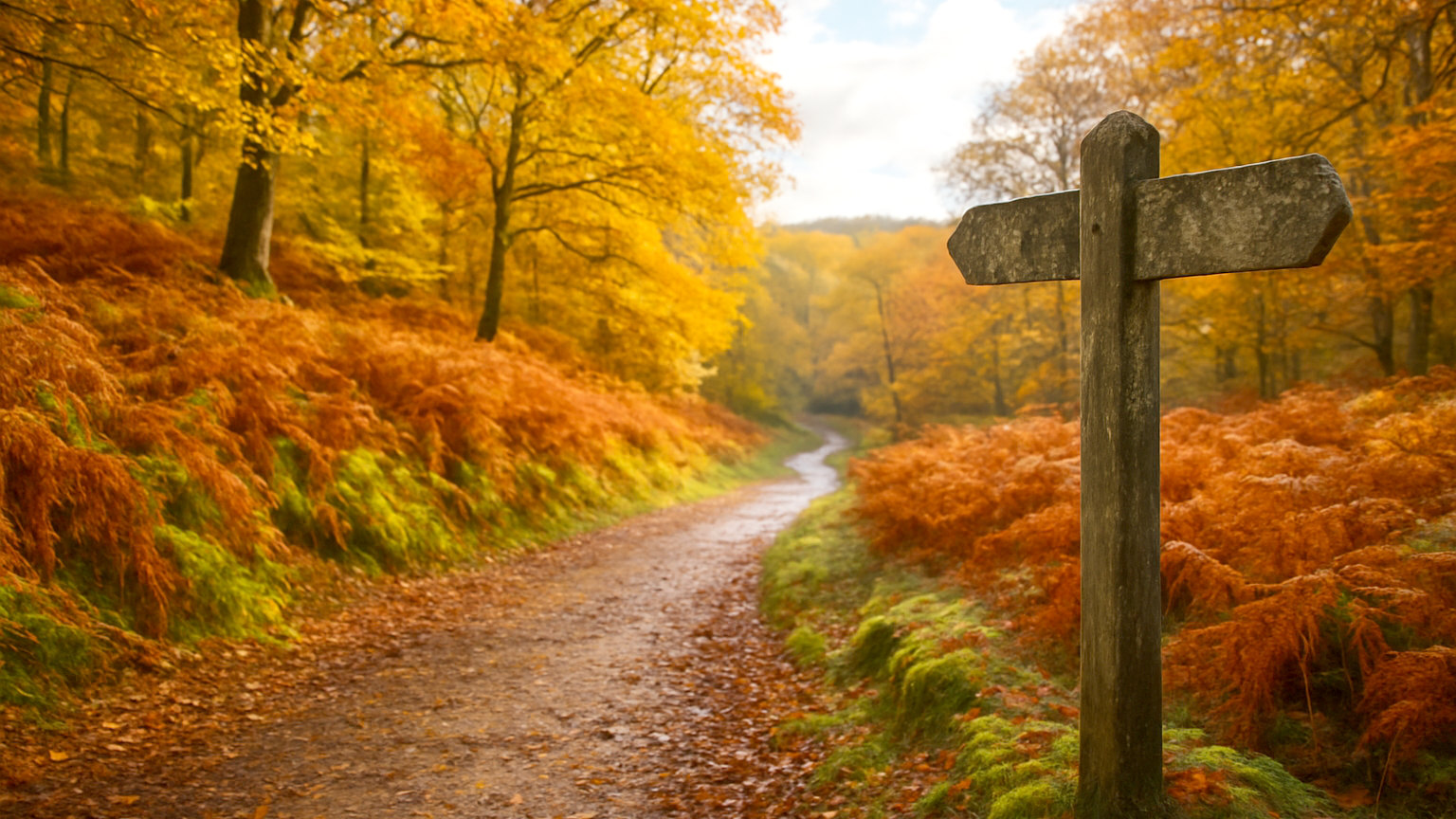
Later than most people plan for. The main display runs from mid October to mid November, with the first week of November often the strongest in southern England. September is too early almost everywhere.
Altitude and latitude shift it. Woodland in Cumbria and Scotland turns a fortnight before woodland in Devon, and higher ground turns before the valleys below it.
What makes one autumn better than another?
A summer wet enough that trees are not drought stressed, a run of cold nights without a hard frost to trigger the change, and calm weather so leaves stay on the branches once turned.
A single severe gale strips a wood in a day, which is why the best displays follow settled autumns and why booking flexible accommodation a fortnight out beats committing in July.
What is happening with the wildlife?
The red deer rut, which runs from late September into October and is among the most impressive wildlife spectacles in Britain. Stags roar, clash and hold harems, and it can be watched at Richmond Park, the Highlands, Exmoor and several other places.
Salmon run upstream in northern and western rivers. Wintering geese and waders arrive on estuaries in enormous numbers from October. Fungi appear in woodland, and murmurations of starlings begin over reedbeds and piers.
Why do the prices fall?
Because the schools return in early September and demand collapses almost overnight. Self catering rates in September and October are substantially below August for near identical conditions.
The exception is the October half term week, which produces a short sharp spike. Booking the weeks either side of it gives the best value of the year.
What are the walking conditions like?
Frequently the best of the year. Temperatures are comfortable for sustained effort, the bracken has died back opening up routes, biting insects have largely gone and the ground is not yet saturated.
Daylight is the constraint. By late October there are roughly ten hours, dropping quickly, and the clocks go back at the end of the month, so a walk that was comfortable in September finishes in dusk in November.
Where is best for autumn colour?
The Wye Valley, where steep wooded slopes above the river can be viewed from above at Symonds Yat. Westonbirt, the national arboretum, planted specifically for the effect. The Lake District woods at Borrowdale and Grizedale, doubled by reflection in the water.
Scotland does it differently and arguably better, with birch and bracken turning whole hillsides gold across Perthshire, Deeside and the Highlands from early October.
What should you pack differently?
A head torch, because afternoons end abruptly. Waterproofs, since autumn is wetter than summer. Warm layers for mornings that are cold before the sun reaches the valley.
Boots with grip, as wet leaves on stone and root are the most common cause of slips at this time of year.
What is the ideal autumn week?
Mid October, midweek, in a property with a wood burner and a footpath from the door, somewhere with mixed woodland and open hill. Mornings walking, afternoons short, evenings indoors with a fire.
It costs roughly half what the same property commands in August, and a substantial proportion of people who try it stop booking summer holidays altogether.
How do you time it properly?
Watch the colour reports that several heritage and conservation bodies publish through October, which describe what is actually happening rather than a historical average. Aim for the last ten days of October in the north and the first ten of November in the south, then adjust. Book somewhere with flexible cancellation if you can, or accept that the exact peak is unpredictable and that the walking, the wildlife and the prices are worth the trip regardless of whether the leaves cooperate.