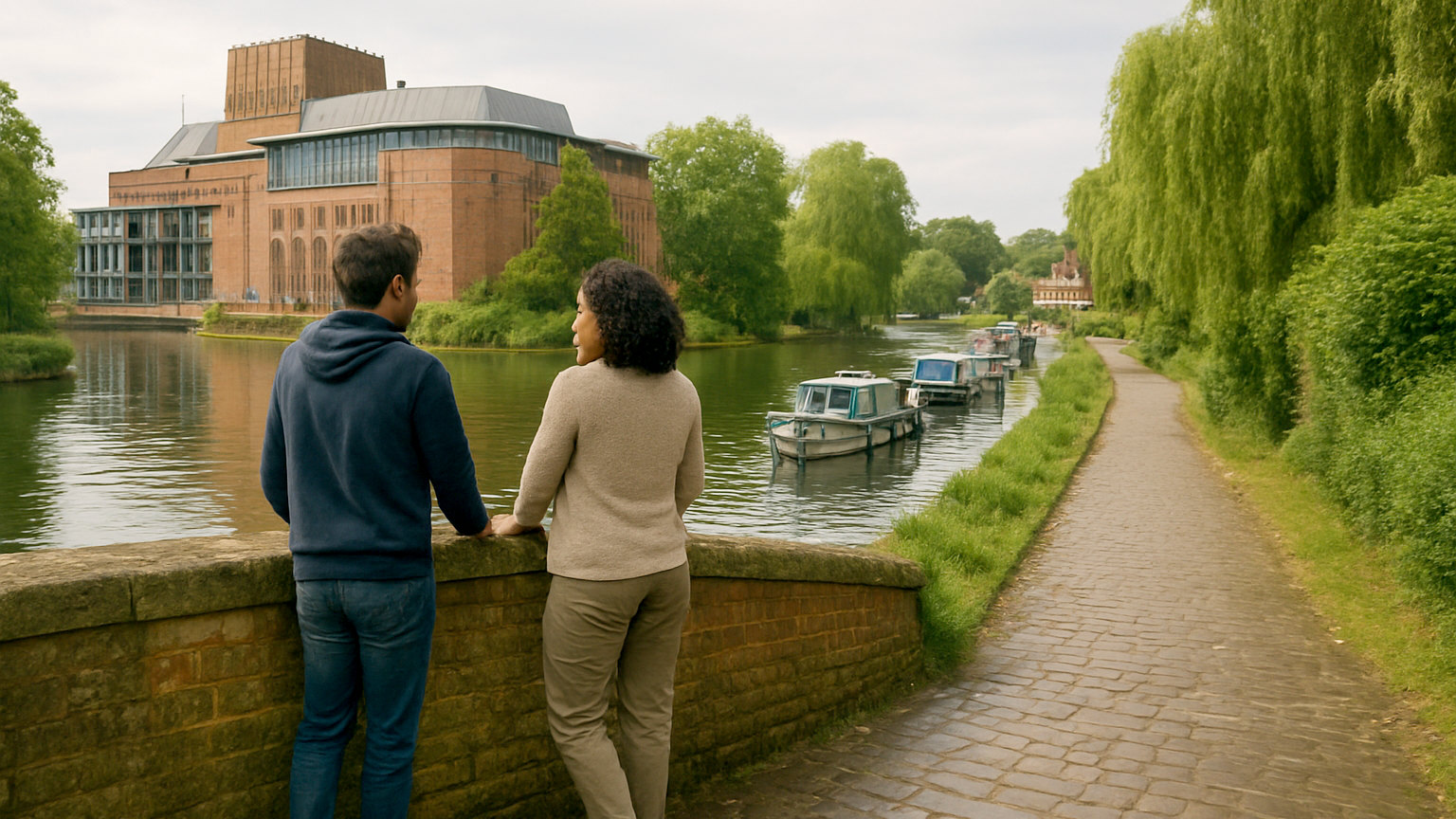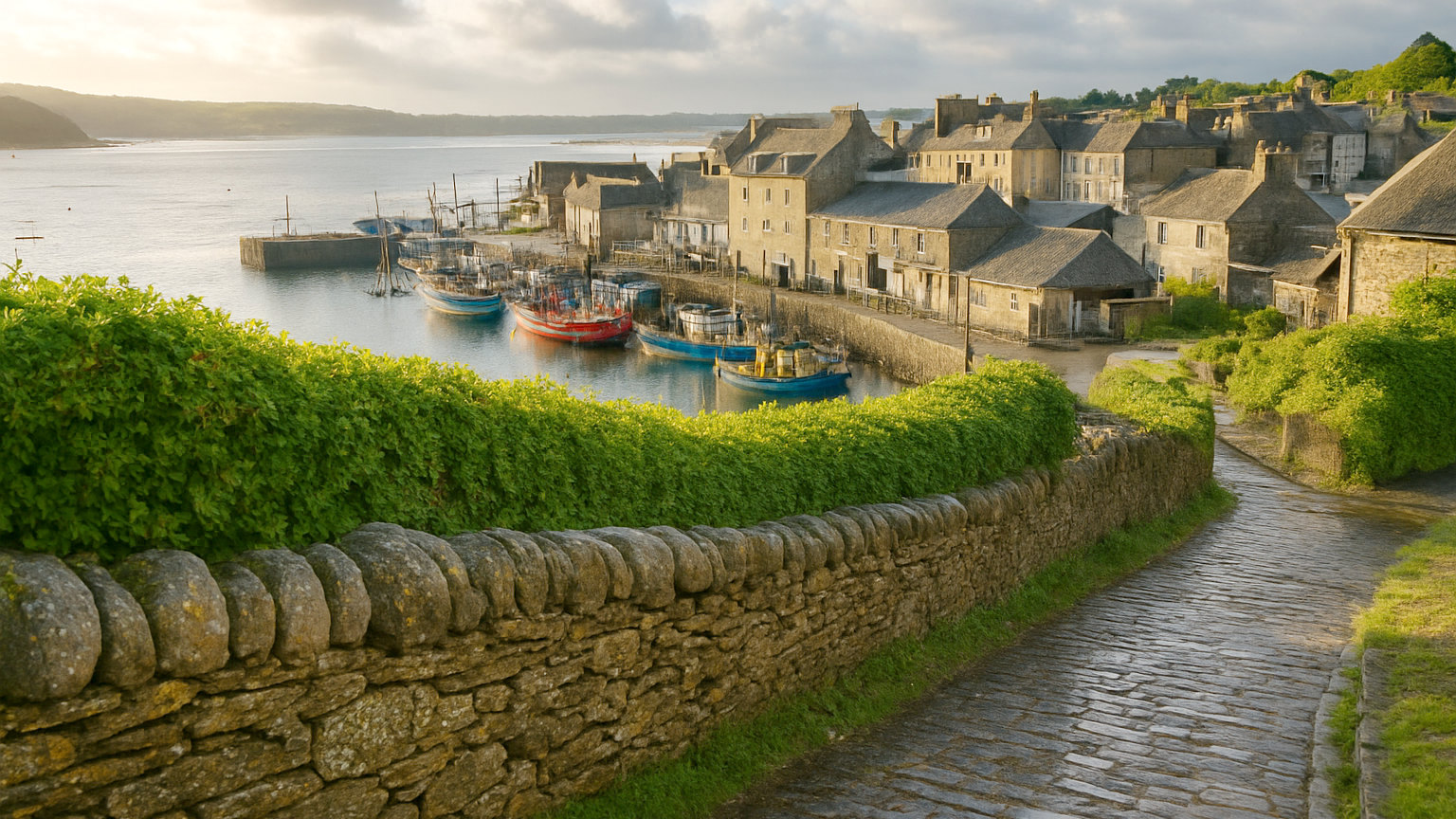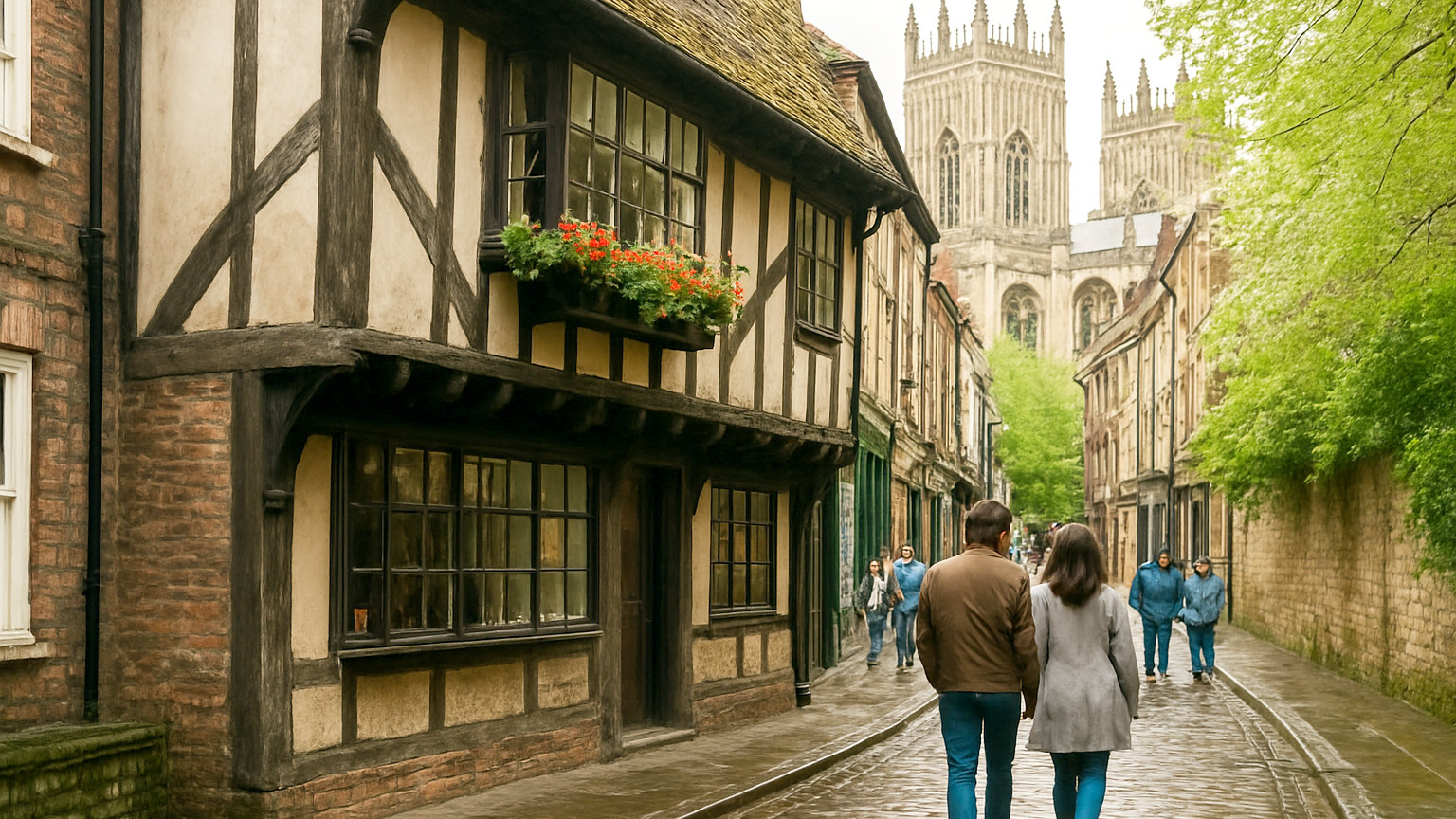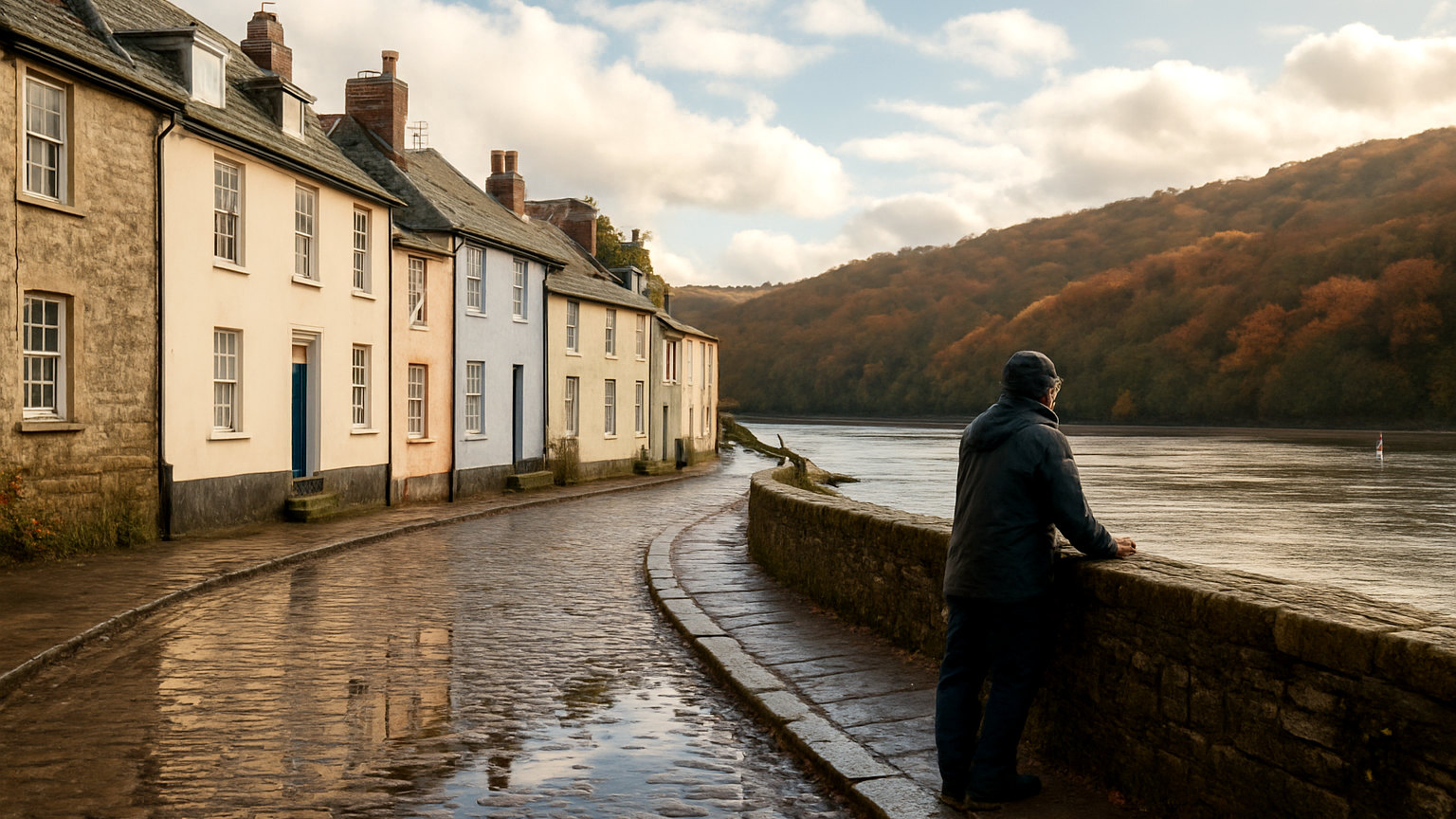
The British seaside empties in October and a proportion of it closes. What remains, in the right towns, is one of the better value breaks available: empty beaches, dramatic weather, restaurants where you can get a table, and accommodation at half the summer rate.
What separates a good off season town?
A year round population and a working economy beyond tourism. Towns with a harbour, a high street that serves residents, or a nearby city keep trading through winter. Towns built entirely around summer visitors do not.
The practical test is whether people live there in February. If the answer is yes in any number, there will be somewhere open.
Which towns work best?
Whitby, which has a working harbour, a substantial resident population and an abbey that is at its most atmospheric in winter. Tenby, walled and sheltered, with restaurants trading year round.
St Ives, though quieter than in summer, with the Tate open. Falmouth, which is a university town as well as a port. Margate and Hastings, both within reach of London and both with galleries. Llandudno, Scarborough and Aberystwyth all keep functioning.
Which should you avoid out of season?
Small resorts and holiday villages built for summer, where a high proportion of accommodation, cafes and attractions close from October to Easter and the streets are genuinely empty.
Check before booking. A cottage chosen because a pub is a short walk away is a poor choice if that pub shuts for six weeks in January, which many coastal pubs do.
What is the appeal?
Weather, mainly. The British coast in winter is dramatic in a way it never is in July: big seas, low light, empty sand and skies that change by the hour. Photographers and walkers get far more from it than from a calm August afternoon.
Also the absence of people. A beach that holds two thousand in August holds four in January, and the coast path is yours.
Is storm watching a real activity?
Yes, and it draws people specifically. Watching a big Atlantic swell hit a harbour wall is genuinely impressive, and towns such as Porthleven in Cornwall are known for it.
It is also dangerous. People are swept off harbour walls, promenades and rocks in Britain every winter, several fatally. Watch from well back and from high ground, never from a sea wall or a beach, and take seriously any barrier or warning.
What wildlife is there in winter?
More than in summer in several respects. Grey seals pup on beaches from late October to December. Estuaries fill with wintering wildfowl and waders in enormous numbers.
Starling murmurations gather over piers at Brighton, Aberystwyth and elsewhere from autumn through winter, which is among the best free wildlife spectacles in the country.
What does it cost?
Substantially less. Coastal accommodation outside the Christmas period drops sharply from October, and short breaks become available where summer requires a full week.
Restaurants that need booking weeks ahead in August take walk ins in February, which for anyone who wants to eat well is reason enough.
What should you pack?
Genuinely windproof and waterproof clothing rather than showerproof, since coastal wind in winter is the defining feature. Warm layers, a hat and boots with grip for wet promenades and slipways.
Short days matter too. Sunset before four means one substantial outing per day and long evenings, so somewhere comfortable to stay matters more than in summer.
Who does it suit?
Walkers, photographers, wildlife watchers, couples and anyone who wants a quiet few days by the sea without paying August prices. It suits families with young children less well, since the attractions built for them are closed.
For everyone else it is arguably when the British coast is at its most characteristic, and certainly when it is at its emptiest.
Book somewhere with a sea view if you can. In summer it is a pleasant extra; in winter, when you will spend more time indoors and the weather is the entertainment, watching a storm come in from a warm room is most of the point of the trip.