Taking a dog to a British beach is straightforward for eight months of the year and complicated for the other four. Most popular beaches restrict or exclude dogs through the summer, the rules are set locally rather than nationally, and they are enforced with fines. Knowing where they apply saves a wasted journey.
How do the restrictions work?
They are made by local councils, usually as public spaces protection orders, and typically run from the start of May to the end of September, though dates vary by council and some run from Easter.
Restrictions range from a complete ban on a beach, to a ban on a marked section only, to a requirement that dogs be kept on a lead. Signs at the access points state which applies.
Where do they usually apply?
On the main resort beaches with lifeguards and facilities, which are precisely the ones most families head for. The busier and better provisioned the beach, the more likely it is restricted in summer.
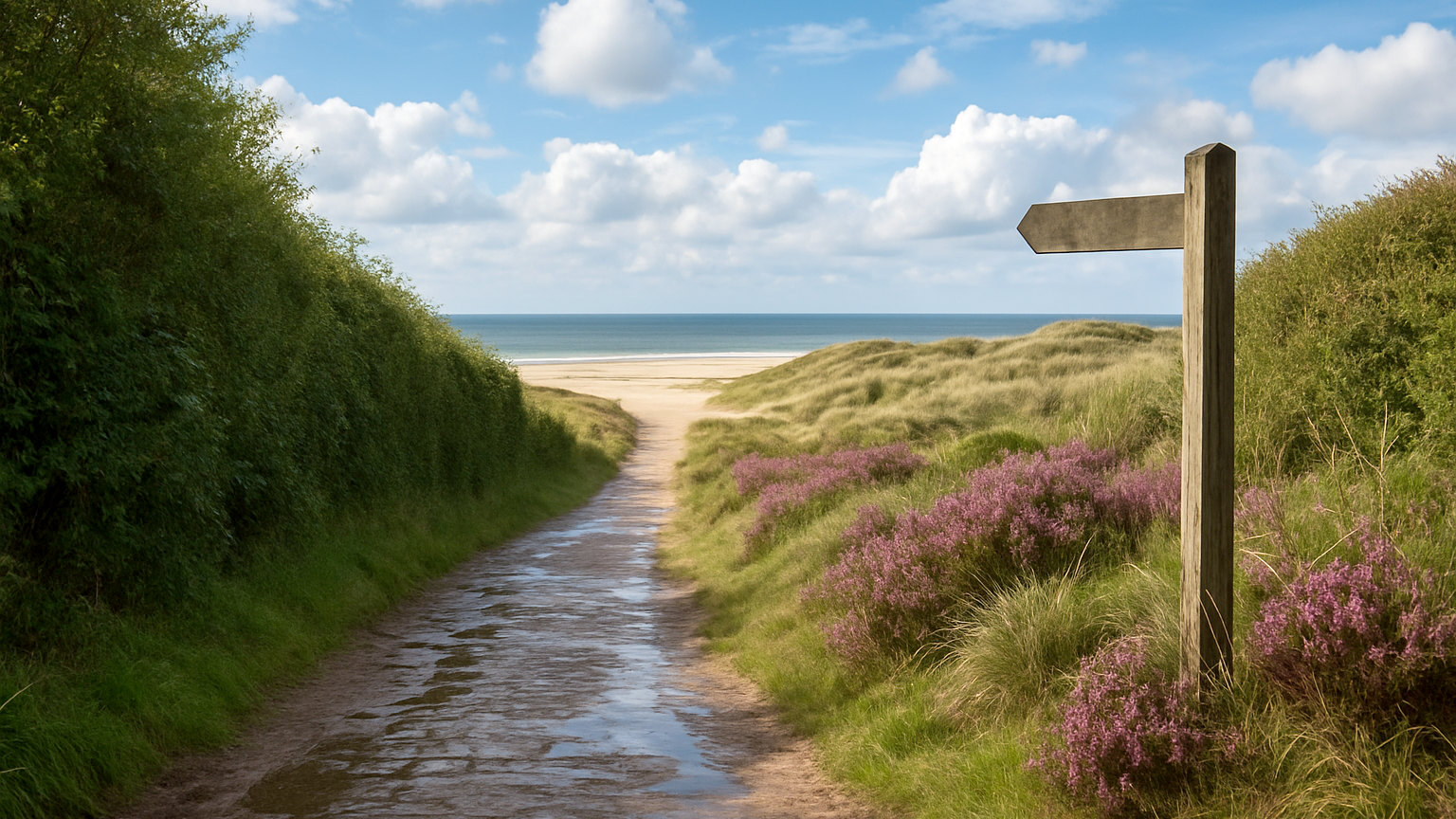
Quieter beaches, cliff backed coves, dune beaches and long undeveloped stretches are frequently unrestricted year round.
Which coasts are best for dogs?
Northumberland, which has miles of largely unrestricted sand and very few people. Much of the Scottish coast, which has almost no restrictions at all.
North Norfolk outside the main resort sections, west Wales, Galloway, the north Devon coast away from the resorts, and much of the Pembrokeshire coast path where the beaches are reached on foot.
How do you check before travelling?
Search the local council name with dog restrictions, since the council rather than the beach publishes the order. Several dog friendly beach directories exist and are useful but occasionally out of date.
Signage at the beach is definitive. If a sign says dogs prohibited between certain dates, that is the current rule regardless of what a website said.
What are the rules where dogs are allowed?
Under effective control, cleaned up after, and away from wildlife. Bins are provided at most beaches and bagged waste left on the sand is both antisocial and an offence.
Ground nesting birds nest on dunes and shingle from spring to midsummer, and several beaches ask for leads for that reason. Seal colonies should be given a wide berth entirely, since dogs and seals can seriously injure each other.
What about livestock on the coast?
Common on coast paths and in dunes, where cattle and sheep graze. Dogs must be on a lead around livestock, and the standard advice if cattle approach and you feel threatened is to release the dog so it can run rather than holding on to it.
Clifftop paths present an additional risk, since dogs chasing rabbits or birds near an unfenced edge is a recurring cause of incidents.
Is the sea safe for dogs?
Generally, with the same caveats as for people. Rip currents affect dogs too, and dogs have been swept out chasing balls thrown into the surf, with owners then entering the water after them.
Do not go in after a dog. Most swim back on their own, and the fatalities in these incidents are usually the owners rather than the animals.
What should you take?
Fresh water and a bowl, since drinking sea water makes dogs ill. A towel, waste bags and a long lead. Shade, which on a British beach is frequently absent entirely.
Sand and salt irritate paws and skin, so a rinse afterwards is worthwhile, particularly for dogs prone to skin problems.
What is the practical approach?
In summer, aim for the quieter beaches and go early or late in the day, when many restricted beaches allow dogs outside core hours. In autumn, winter and spring, almost the entire coast is open.
October to April is the best time for a coastal dog holiday by a wide margin: no restrictions, empty beaches, and cool weather that suits a dog far better than August sand.