Winchester was the capital of Wessex and then of a unified England, and remained a royal centre long after London took over. It is small, prosperous and unusually green, with chalk streams running through it and downland immediately beyond.
What is the cathedral like?
The longest medieval cathedral in Europe by nave length, with Norman transepts, a Gothic nave and an exceptional set of chantry chapels and medieval floor tiles.
Jane Austen is buried in the north aisle, under a stone that does not mention that she wrote novels, which a later brass plaque corrects.
What is the diver's story?
The cathedral was built on peat and began to sink, and in the early twentieth century a diver worked alone underwater in the flooded foundations for several years, packing them with bags of concrete.
He is credited with saving the building and is commemorated inside it, which is among the more remarkable stories attached to any English cathedral.
What is the Great Hall?
The surviving part of the medieval castle, a thirteenth century aisled hall holding a large round table top painted in Tudor times and associated with Arthurian legend.
The table is medieval rather than Arthurian and is a genuinely remarkable object regardless. Entry is free or by donation.
What are the water meadows?
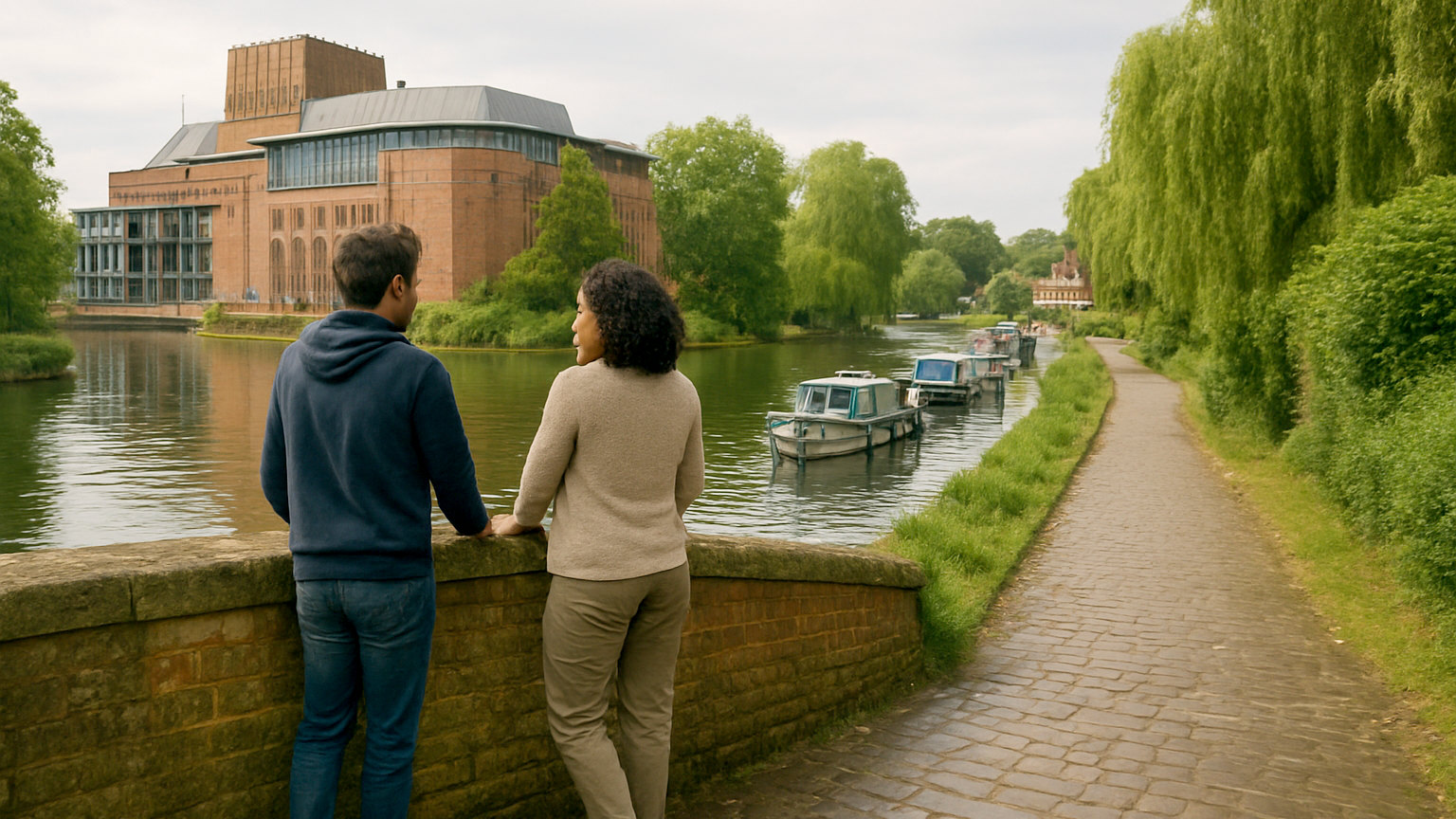
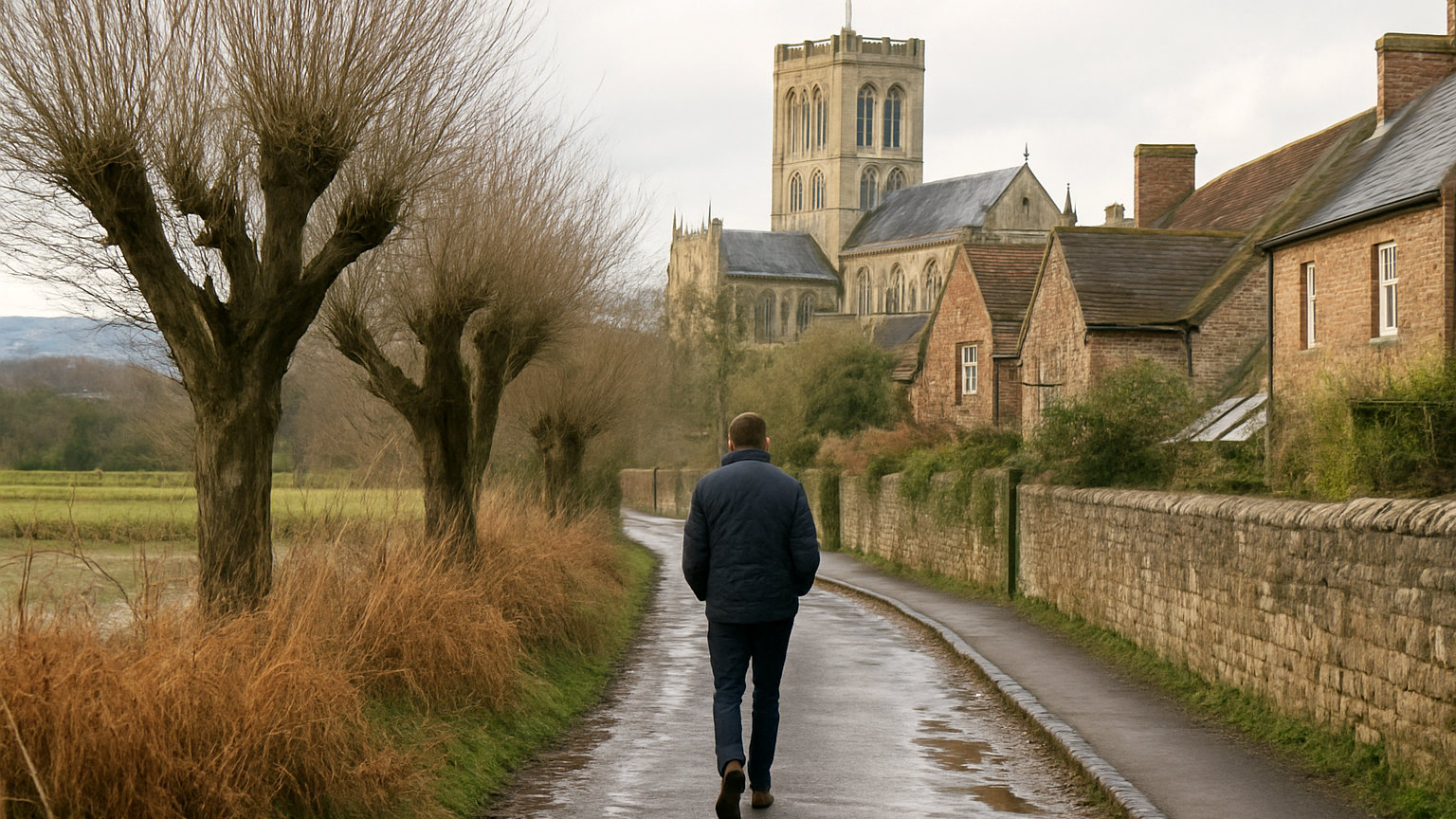
A walk along the Itchen, a chalk stream of exceptional clarity, from the city to the hospital of St Cross, a medieval almshouse where a traveller may still ask for the wayfarer's dole of bread and ale.
The walk continues up St Catherine's Hill, an Iron Age hillfort with a turf maze and a view over the city.
What else is there?
Winchester College, among the oldest schools in the country, open on guided tours. The city museum, the mill on the river, and the buttercross in the high street.
A weekly market and a substantial farmers market, which is one of the largest in the country.
What was the Anglo Saxon capital?
Winchester held the royal treasury and was the seat of the kings of Wessex, including Alfred, whose statue stands at the end of the high street.
The old and new minsters that preceded the cathedral are marked in outline beside it.
How do you get there?
By train from London Waterloo in around an hour, with the station a short walk from the centre, and by road from the south coast.
The city is compact and a car is unnecessary once you arrive.
What is nearby?
The South Downs, which begin immediately and are crossed by a long distance path starting in the city. The Hampshire chalk streams and the New Forest to the south west.
Salisbury, Portsmouth and Southampton are all within an hour.
What about the Austen connection?
She died in the city, in a house in College Street that is marked though not open, having come for medical treatment, and is buried in the cathedral.
Her house at Chawton, where she wrote and revised the novels, is around half an hour away and is the more substantial site.
How long do you need?
Two nights, which covers the cathedral, the Great Hall, the water meadows walk and the hill.
It is expensive for its size, being a prosperous commuter city, so accommodation costs more than comparable places further north.
What about the surrounding chalk streams?
The Itchen and the Test are among the finest chalk streams in the world, exceptionally clear and supporting trout fishing of international reputation. Public paths follow both in places, and the water is clear enough to watch fish from the bank, which is among the quiet pleasures of the area.
What about the surrounding towns?
Romsey, Alresford and Stockbridge are all within half an hour, small market towns on chalk streams with independent shops and good pubs. A preserved steam railway runs from Alresford through the Hampshire countryside, and Stockbridge has a wide main street given over largely to fishing tackle and antiques.