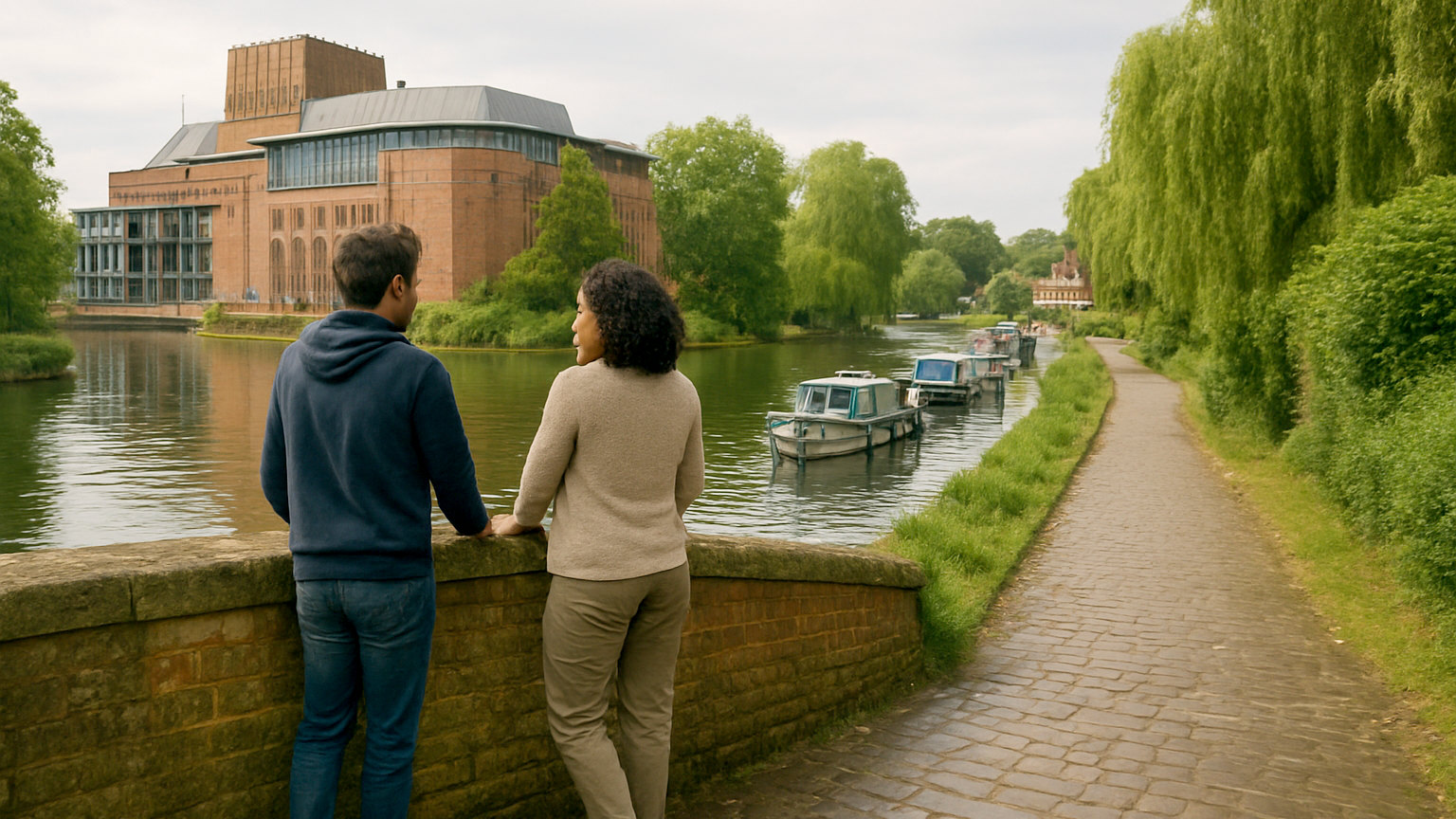
Norwich was for centuries the second city of England, grew rich on wool and weaving, and then declined into a comfortable obscurity that preserved a great deal. It has more surviving medieval churches than any city north of the Alps and holds a formal designation as a city of literature.
What is the cathedral like?
Norman, with the second tallest spire in England and the largest monastic cloister in the country, and a ceiling covered in hundreds of carved bosses depicting biblical scenes.
Binoculars or the mirror trolleys provided make the bosses visible, since they are a long way up. Entry is by donation.
What about the second cathedral?
Norwich has two. The Catholic cathedral to the west is a substantial Victorian Gothic revival building, considerably larger than most people expect and free to enter.
The two make an unusual pairing in a city of this size.
What are the Lanes?
A network of medieval streets in the centre, almost entirely occupied by independent shops, cafes and galleries, which is among the strongest independent retail areas of any English city.
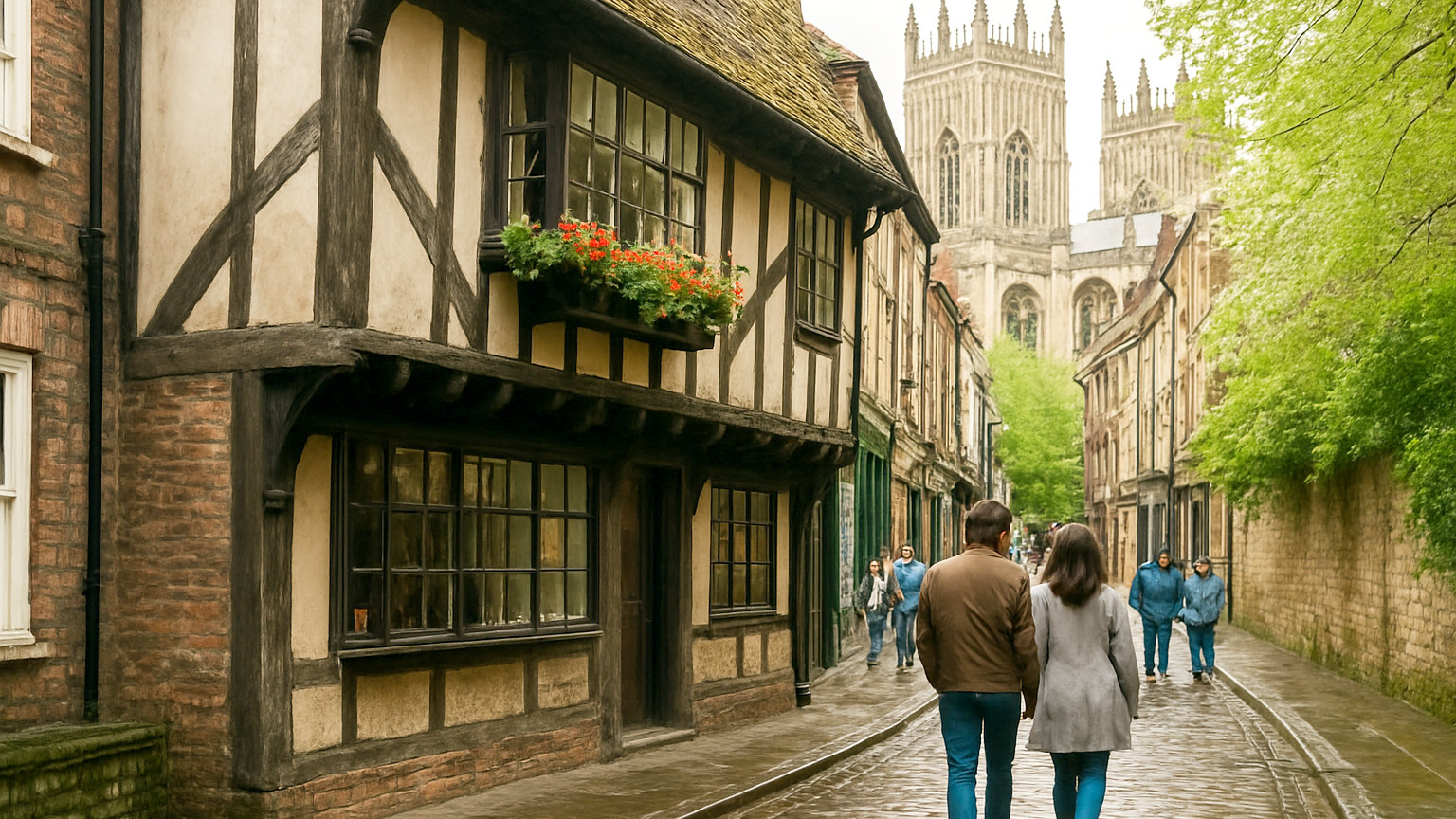
Elm Hill, a cobbled street of timber framed buildings, is the picturesque set piece and appears in a good deal of period filming.
What is at the castle?
A Norman keep on a mound in the middle of the city, refaced in the nineteenth century, which served as a prison for centuries and is now a museum covering local archaeology, art and natural history.
The Norwich School of painters, a significant nineteenth century landscape movement, is well represented.
What about the market?
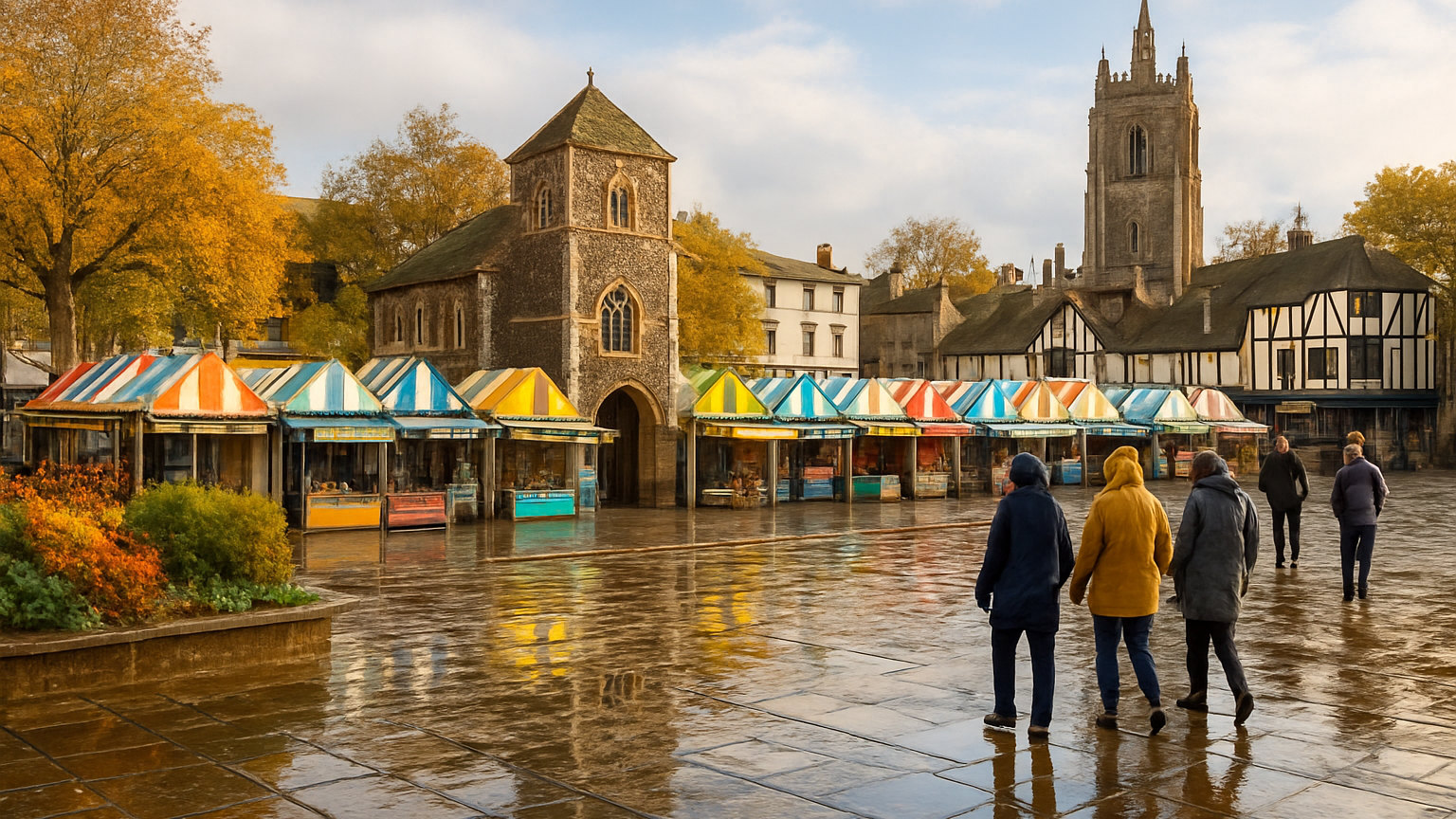
A permanent open air market of striped stalls in the centre, trading since the Norman period, which is among the largest and oldest in the country and remains genuinely useful rather than ornamental.
It is the best cheap eating in the city.
Why is it a city of literature?
A long publishing and library history, a major centre for literary translation and one of the best known creative writing programmes in the country, based at the university.
The designation recognises current activity rather than only historic associations, and there is a substantial programme of events.
What is nearby?
The Norfolk Broads, a network of navigable waterways created by medieval peat digging, beginning immediately east of the city with boat hire by the day or week.
The north Norfolk coast within an hour, with enormous beaches, seal colonies and wintering wildfowl in vast numbers.
How do you get there?
By train from London Liverpool Street in under two hours, and by rail across the Midlands. The station is a short walk from the centre.
Norwich is a long way from everywhere by road, which is a substantial part of why it has stayed quiet.
Where should you eat?
The Lanes and the market for independents, with a good number of restaurants for the city's size and prices well below the south east.
Norfolk produce is the strength, with samphire, crab from Cromer and Brancaster mussels in season.
How long do you need?
Two nights for the city, three if you want a day on the Broads or the coast.
It is among the least visited English cathedral cities for its quality, which is its principal attraction.
What about the medieval churches?
Norwich has around thirty surviving medieval parish churches within the old city walls, more than any city north of the Alps, reflecting how wealthy and populous it once was. Most are no longer used for worship and several have been converted to arts venues, climbing centres and shops, which is an unusual way to encounter a medieval building.
One final point: Norwich is a long way from anywhere by road, sitting at the end of routes rather than on them, and that isolation is exactly why so much survived. It is worth the journey and it is a journey, so allow more time than the distance suggests.
What about the university and the arts?
The university sits west of the city with a substantial arts centre holding a collection of modern and world art in a building by a well known architect, free to enter. The city has a strong theatre, a long established arts centre in a medieval building and one of the largest arts festivals in the east of England each May.