A weekend organised around eating is a legitimate kind of city break and it needs a different structure from a sightseeing one. The constraint is that you can only manage so many substantial meals in two days, which means being selective rather than accumulating a list of places you have read about.
How many good meals fit into a weekend?
Realistically three or four across two nights: two dinners, one proper lunch and perhaps a good breakfast. Attempting more produces diminishing returns fairly quickly.
The usual mistake is booking a serious dinner on both nights and a tasting menu lunch in between, which by Sunday morning feels like work. Alternating something substantial with something simple works better.
What should you book and when?
Saturday dinner first and as far ahead as the restaurant releases tables, which for the better places in smaller cities means several weeks. Friday is usually easier and Sunday evening easier still, since many kitchens close.
Check closing days before building the weekend. A large number of good British restaurants close Sunday evening and all day Monday and Tuesday, which catches out midweek breaks in particular.
Which cities reward it most?
Bristol, Manchester, Edinburgh, Leeds, Birmingham and Belfast all have depth rather than a handful of famous names, which matters because you can eat well several times without crossing the city.
London obviously has the most of everything, though the distances mean a food weekend there works best confined to one or two areas rather than chasing restaurants across the city.
Are the covered markets worth building a day around?
Frequently they are the best value part of the trip. Borough Market in London, St Nicholas in Bristol, Grainger in Newcastle, Mackie Mayor and Altrincham in Greater Manchester, St George's in Belfast and Cardiff Market all combine produce stalls with places to eat.
They suit lunch particularly well, since a group can eat different things at different prices without a reservation.
What about breweries and distilleries?
Most British cities now have several independent breweries with taprooms, usually in industrial units slightly outside the centre and often open only Thursday to Sunday.
Distillery visits are more established in Scotland, and both Edinburgh and Glasgow have working gin and whisky distilleries within the city. Book tours ahead, since capacity is small.
Are food tours worth the money?
For a first visit to an unfamiliar city, often yes. A good guided tour gives context, takes you to places you would not find and spreads several small dishes across a morning rather than committing you to one restaurant.
They are less useful in a city you already know, where the same money is better spent on one excellent meal.
How do you find the good places?
Local sources rather than national lists. City specific food publications, independent guides and recent reviews tell you what is currently good, whereas national awards lag by a year or more.
A reliable practical signal is whether a restaurant requires booking and whether the menu is short and changes. Both suggest a kitchen cooking rather than reheating.
How do you build the rest of the weekend?
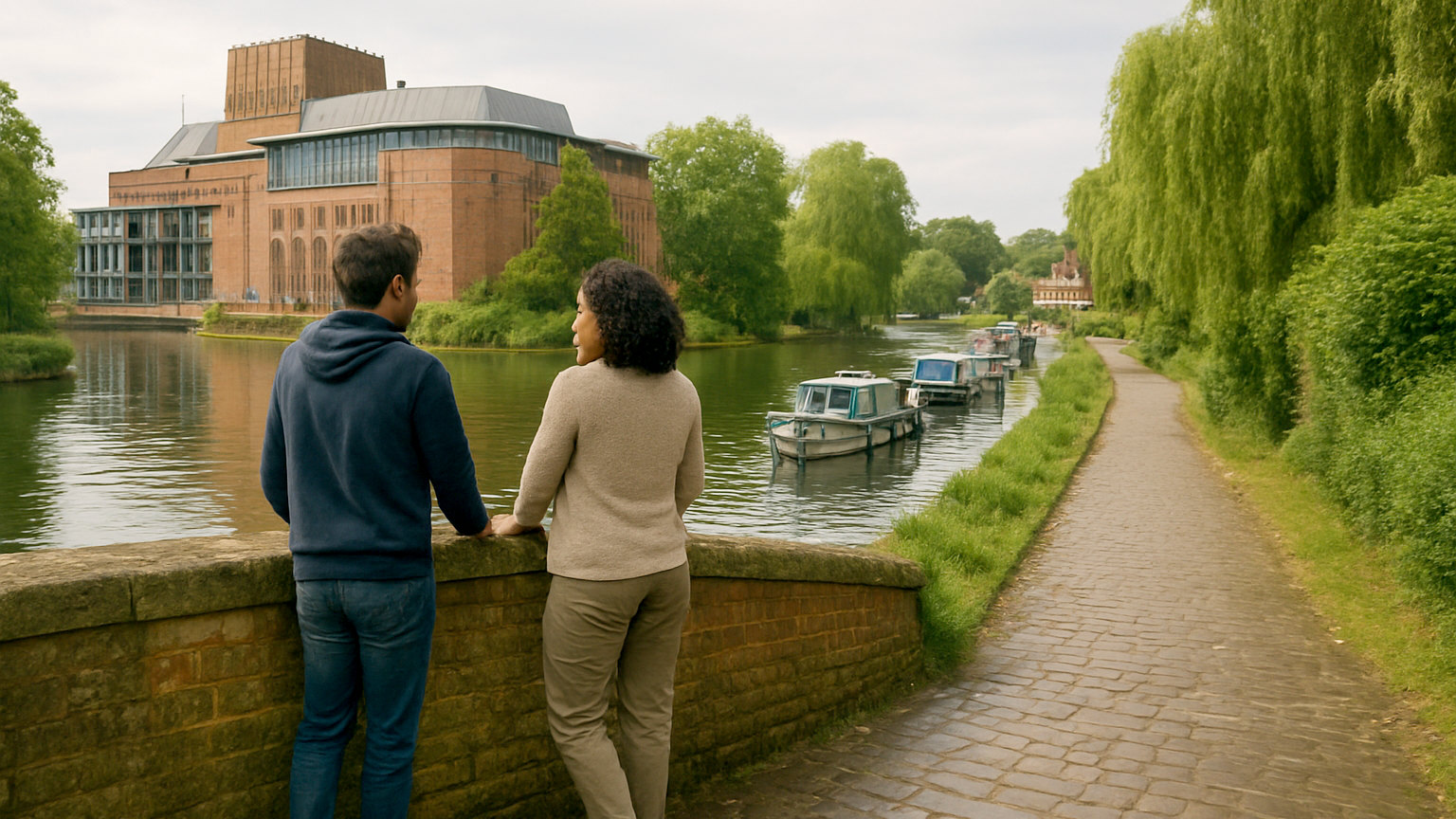
Around walking, which solves the obvious problem. A long walk between lunch and dinner, ideally somewhere green or along a waterfront, makes the second meal possible and shows you the city.
Free museums and galleries fill the gaps well because you can stay for twenty minutes or two hours. Anything requiring a fixed time slot fights against a day organised around meals.
What should you avoid?
Booking every meal in advance, which removes the ability to follow a recommendation from someone you meet. Choosing restaurants purely from national lists, which lag behind what is actually good. Eating two heavy meals a day, which by Sunday is unpleasant. And ignoring the closing days, which is how people arrive in a city on a Monday to find that the three places they wanted are all shut and the fourth is a chain.