Exeter is the county town of Devon, was a Roman fortress and a medieval wool port, and lost a great deal of its centre to wartime bombing. What survived is concentrated around the cathedral close and the quay, and the city works well as a base for Dartmoor and both Devon coasts.
What is the cathedral like?
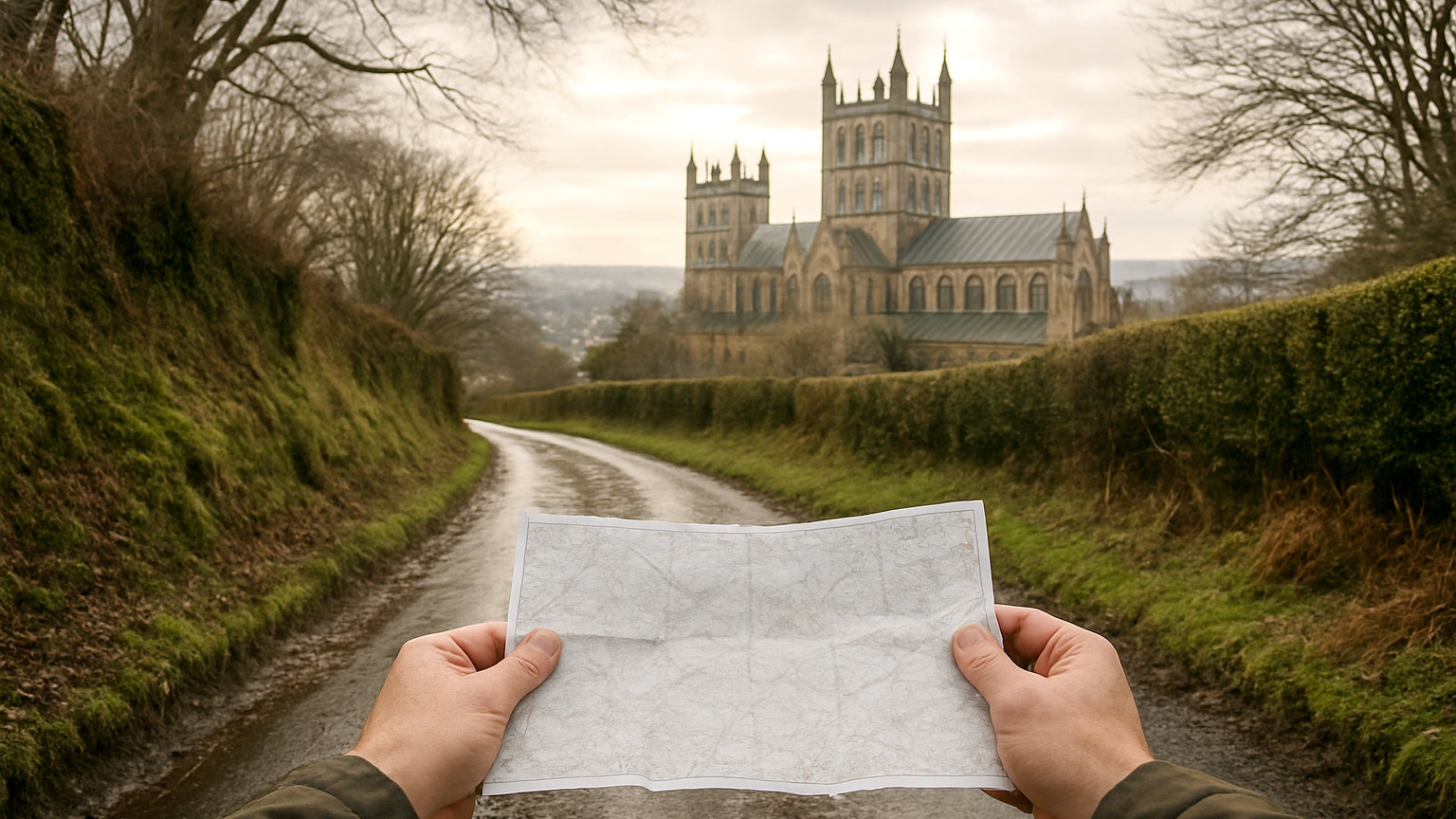
Notable for having the longest uninterrupted medieval vaulted ceiling in the world, running the length of the nave in an unbroken sweep of ribbed stone.
It also has an astronomical clock, a minstrels' gallery and an elaborately carved west front. The cathedral green in front of it is the social centre of the city.
What are the underground passages?
Medieval vaulted tunnels built to carry fresh water into the walled city, which can be walked on guided tours and are the only such system in Britain open to the public.
They are narrow and low in places and not suitable for anyone claustrophobic. Tours book ahead in season.
What is the quayside?
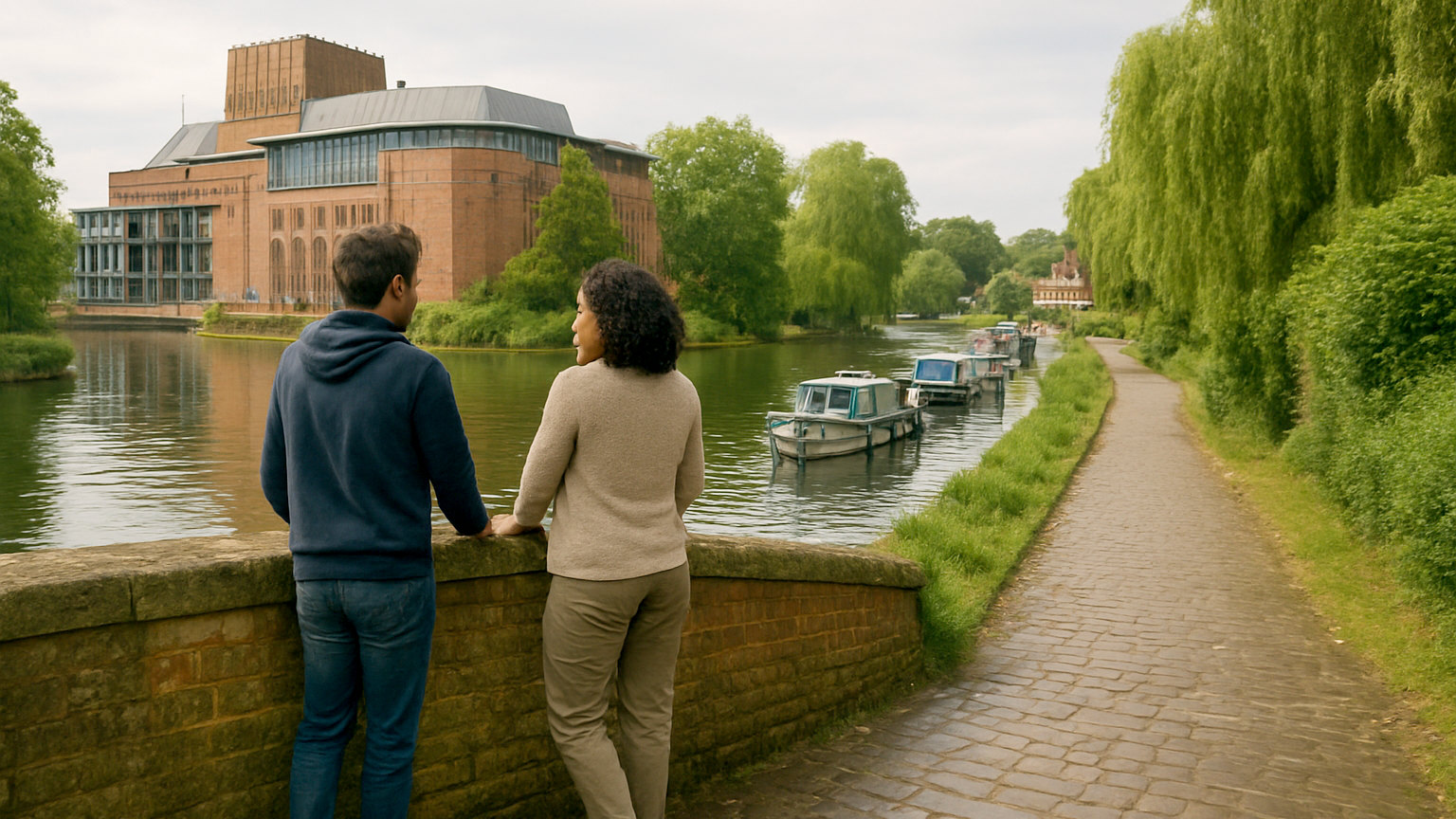
A restored waterfront on the Exe with warehouses, a canal basin, cafes and boat and bicycle hire, connected to the centre by a short steep walk.
A cycle route runs from here along the estuary to the sea at Exmouth, which is flat, traffic free and among the best family rides in the south west.
What Roman and medieval remains are there?
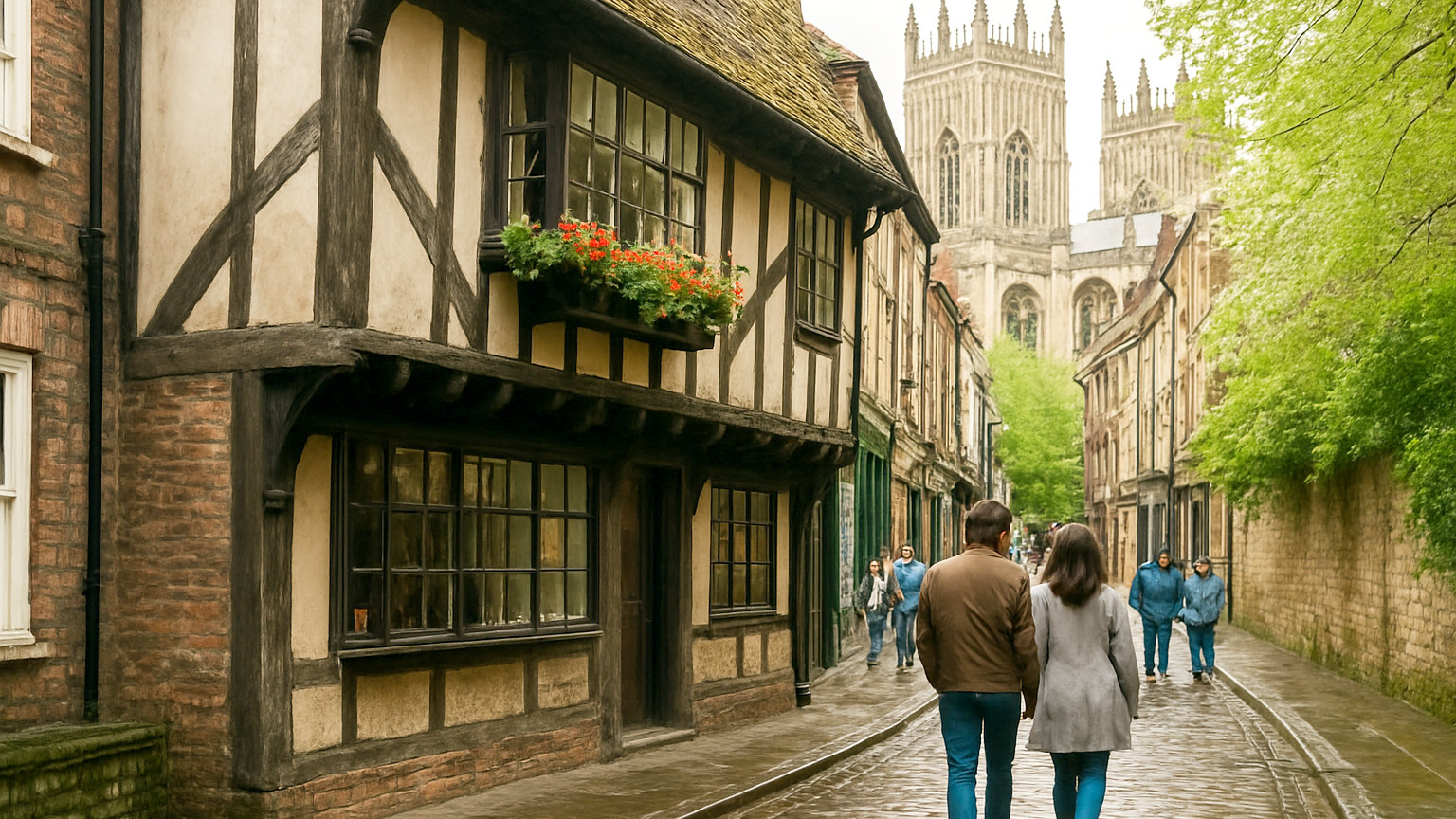
Substantial stretches of the city wall, Roman in origin and much rebuilt, surviving around a considerable proportion of the circuit and walkable in sections.
The Guildhall on the high street claims to be among the oldest municipal buildings still in use in the country.
What is at the museum?
The Royal Albert Memorial Museum, free, covering Devon archaeology, natural history and world cultures in a Victorian Gothic building, and well regarded nationally.
It is the best wet weather option in the city and takes a couple of hours.
How close is Dartmoor?
Around half an hour to the eastern edge, with the higher moor an hour away, which makes Exeter the most practical city base for the national park.
Buses serve some moorland villages and a car is considerably more useful for the interior.
What about the coast?
The Exe estuary and Exmouth are twenty minutes by train, and the Jurassic Coast begins immediately east at Sidmouth and Beer.
The south Devon coast around Torquay and Dartmouth is under an hour, and the north coast around ninety minutes.
How do you get there?
By train from London in around two hours, with two stations, and by rail along the coast to Plymouth and Cornwall on a line that runs beside the sea at Dawlish.
That coastal stretch is among the most scenic in England and is regularly closed by storms, which is a known vulnerability of the route.
Where should you eat?
The quayside and the streets around the cathedral, with a good range for the size and a substantial student population supporting it.
Devon produce is the strength, with seafood from both coasts and cider from the surrounding county.
How long do you need?
Two nights for the city, more if using it as a base, which is the sensible approach given what surrounds it.
It is considerably cheaper than the coastal resorts in summer and better connected than anywhere else in the region.
What about the university and the arts?
Exeter has a substantial university on a hillside campus north of the centre, which supports a lively music and theatre scene and keeps the city busy in term. There is a well regarded arts venue and a picture house, and the student population means the city has more places to eat and drink than its resident numbers would sustain.
One last note: much of the medieval city was destroyed by bombing in 1942 and rebuilt in the decades after, so the historic fabric is concentrated rather than continuous. Knowing that in advance prevents the disappointment visitors sometimes feel on arriving.
What about the cathedral close?
The green in front of the cathedral is the heart of the city, ringed with buildings of several periods including a Tudor merchant's house and a hotel claiming to be among the oldest in England. It is where the city eats and drinks in summer and gives the best view of the west front, which repays proper attention.