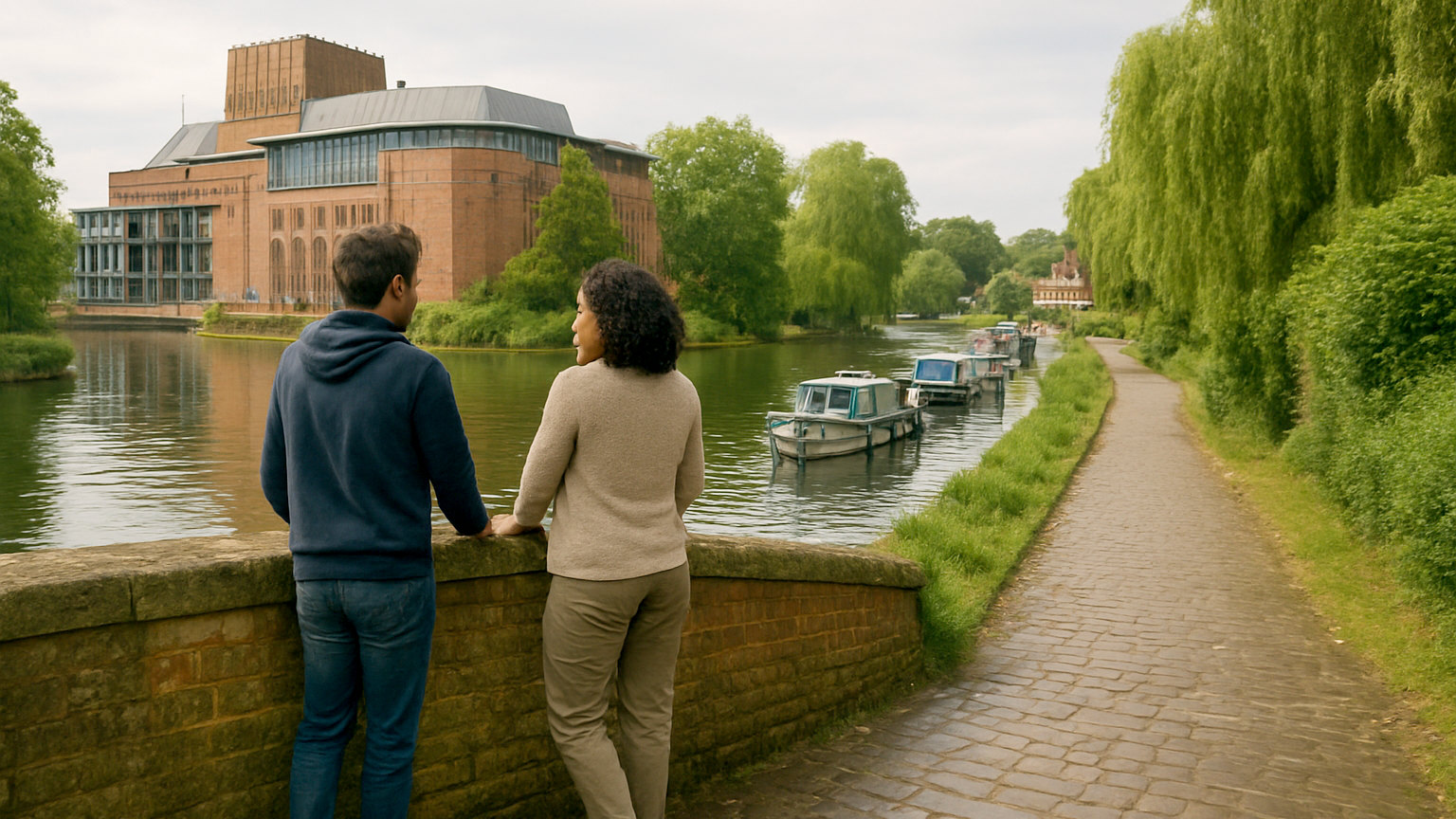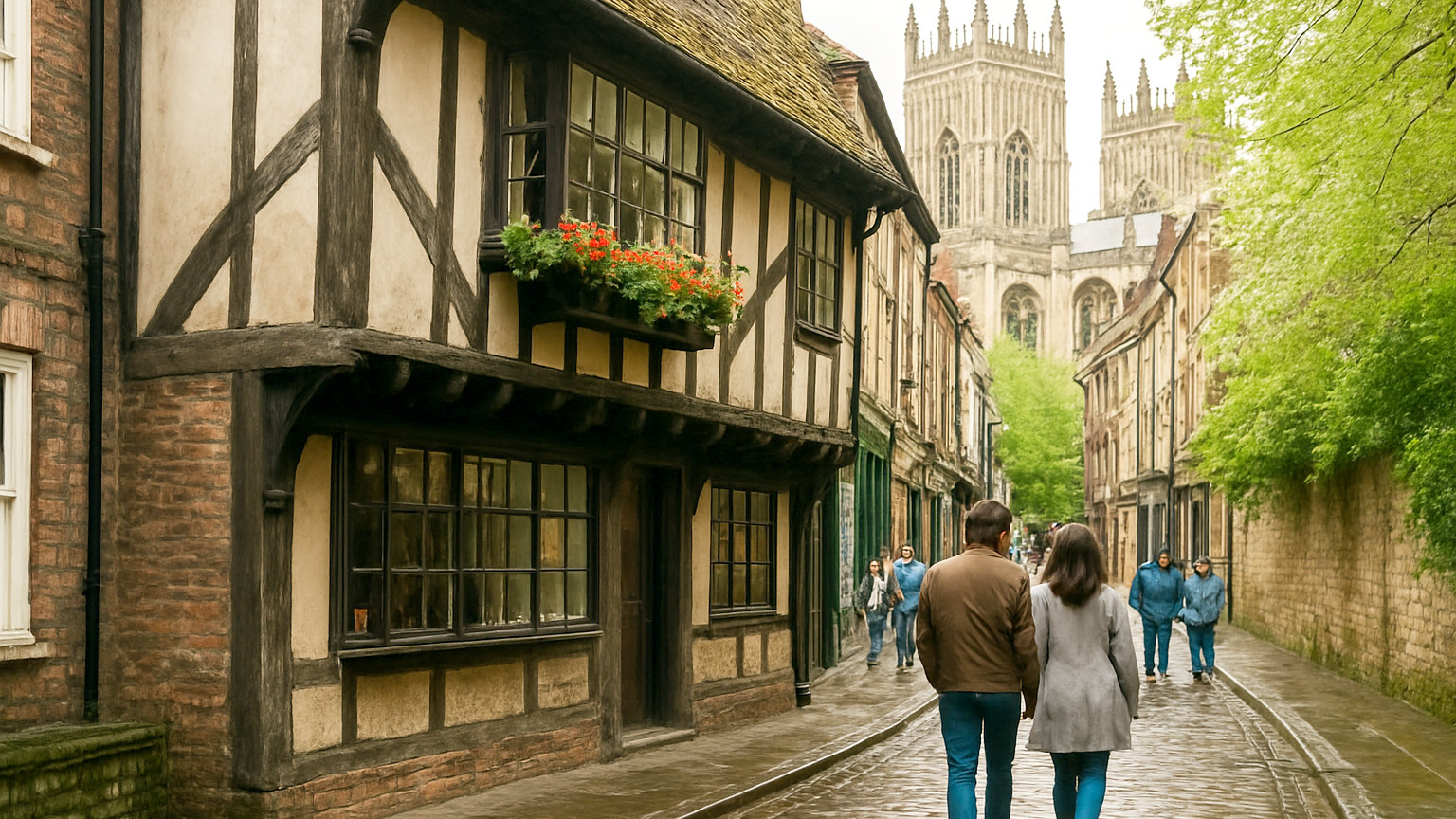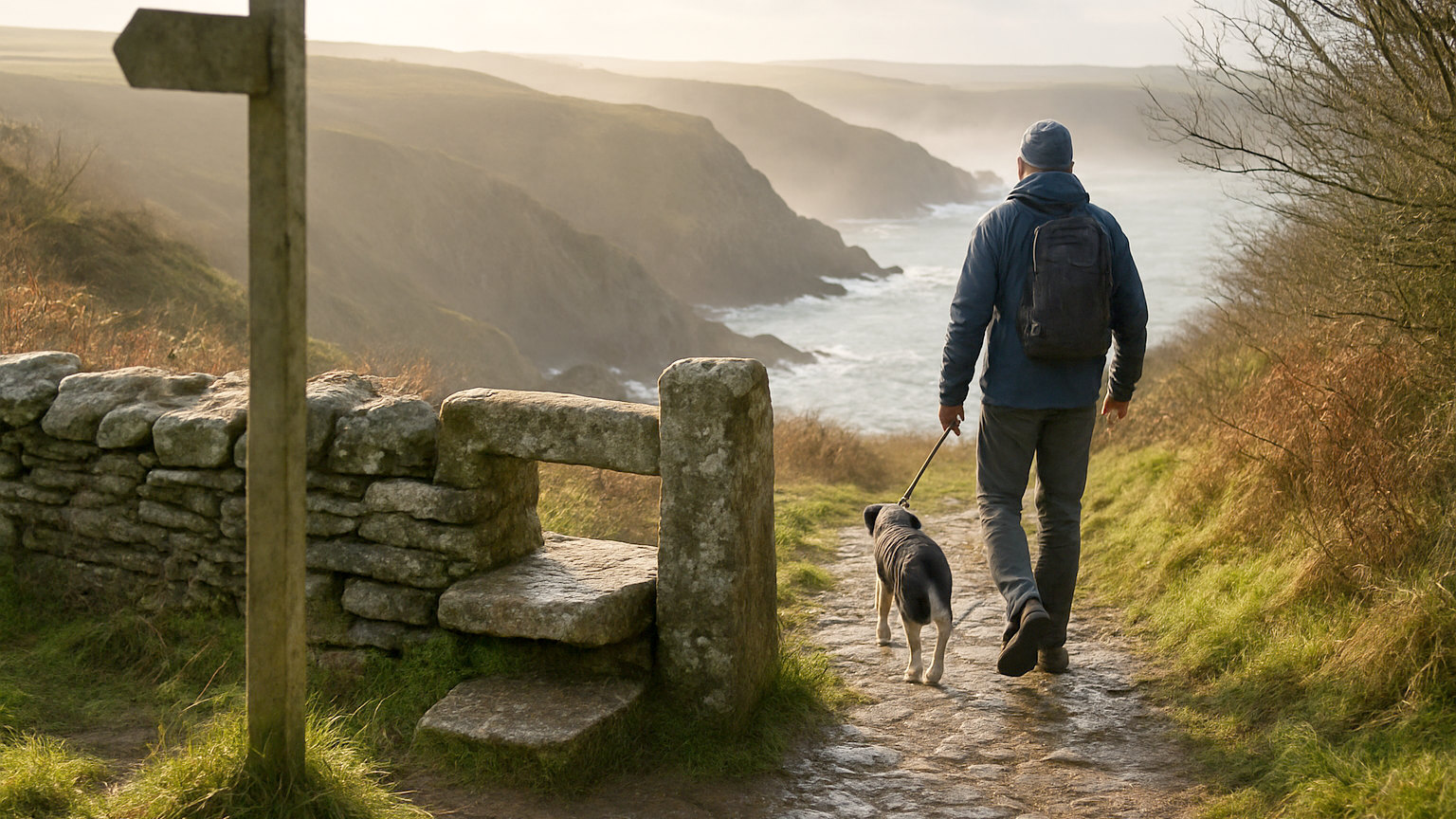
Taking a dog to a British city is straightforward in some respects and restrictive in others. Transport and accommodation have both become considerably more accommodating, while the majority of indoor attractions have not, which shapes what the weekend can contain.
How do dogs travel by train?
Free, on all national rail services in Britain, with up to two dogs per passenger. They must be on a lead or in a carrier and are not allowed on seats.
This is one of the more generous arrangements in Europe and makes rail the obvious way to reach a city with a dog. Longer journeys are usually easier than short ones, since the dog settles.
Where can dogs go in cities?
Most pubs, a growing number of cafes and some restaurants, particularly those with outside space. Parks, streets, markets and outdoor attractions. Many independent shops.
Some hotels welcome dogs properly, with beds, bowls and no restriction on which rooms. Others allow them grudgingly in a small number of rooms for a supplement. The difference is worth establishing before booking.
Where can they not go?
Almost all museums, galleries, cathedrals and historic houses, which admit assistance dogs only. This is the central constraint and it rules out most of what a city break usually consists of.
Food halls and supermarkets generally exclude them too, as do many enclosed shopping centres.
How do you plan around that?
Build the trip around outdoor sightseeing, walking routes, markets, parks and pubs rather than indoor attractions. Cities with waterfronts, walls or large parks suit this far better than cities whose appeal is indoors.
Alternatively, take turns. One person visits the gallery while the other sits outside with the dog, which works but requires accepting that neither of you does everything.
Which cities suit it best?
Edinburgh, with Arthur's Seat, Holyrood Park and the Water of Leith walkway. York, where the walls give a two mile circuit and the centre is compact. Bristol, with the harbour walk and extensive green space.
Bath, Chester, Durham and Cambridge all work well for the same reason: the pleasure is largely outdoors and on foot. Coastal cities such as Brighton and Newcastle add a beach within reach.
What should you check about accommodation?
Whether dogs may be left unattended in the room, which many places prohibit and which determines whether you can eat out in the evening. Whether there is a charge and whether it is per dog or per stay.
Also whether there is somewhere immediately outside for the last walk of the day, which in a dense city centre is not guaranteed.
What should you take?
A bed or blanket the dog knows, which settles them in an unfamiliar room. Enough food, since city pet shops may not stock a specific brand. A towel, waste bags and a water bowl for the day.
Also worth having: the address and number of a local vet, and a lead you can secure outside a shop if you need to.
Is it worth it?
If the dog is comfortable in busy environments, yes, and it removes the cost and guilt of kennels. If the dog is anxious in crowds, traffic or lifts, a countryside break is kinder to everybody.
A useful test is a day trip to a busy town before committing to a weekend. Cities are noisier and more crowded than most dogs experience routinely, and finding that out on the Saturday is inconvenient for all concerned.
How do you plan the day around them?
Start early, when streets are quiet and pavements are cooler, and build in a long midday walk somewhere green rather than a museum. Use pubs for lunch, since most welcome dogs and many serve food all afternoon. Keep the evening simple, either eating somewhere that accepts dogs or returning to the accommodation. In hot weather, remember that pavements retain heat and city centres are several degrees warmer than open country, which matters for a dog walking on tarmac all day.