Christmas markets have become one of the busiest reasons for a British city break, running from mid November to shortly before Christmas. They vary enormously in scale and quality, and the difference between a pleasant evening and a crush depends almost entirely on which city you choose and which day you go.
When do they run?
Most open in the middle of November and close on or shortly before the twenty third of December. A few continue into the new year, and some cities run separate winter events afterwards.
Opening and closing dates vary by city and change year to year, so check before booking. The last two weekends before Christmas are the busiest of the entire period.
Which British cities do it best?
Birmingham hosts one of the largest authentic German markets outside Germany and Austria, which dominates the city centre. Manchester spreads several linked markets across multiple squares.
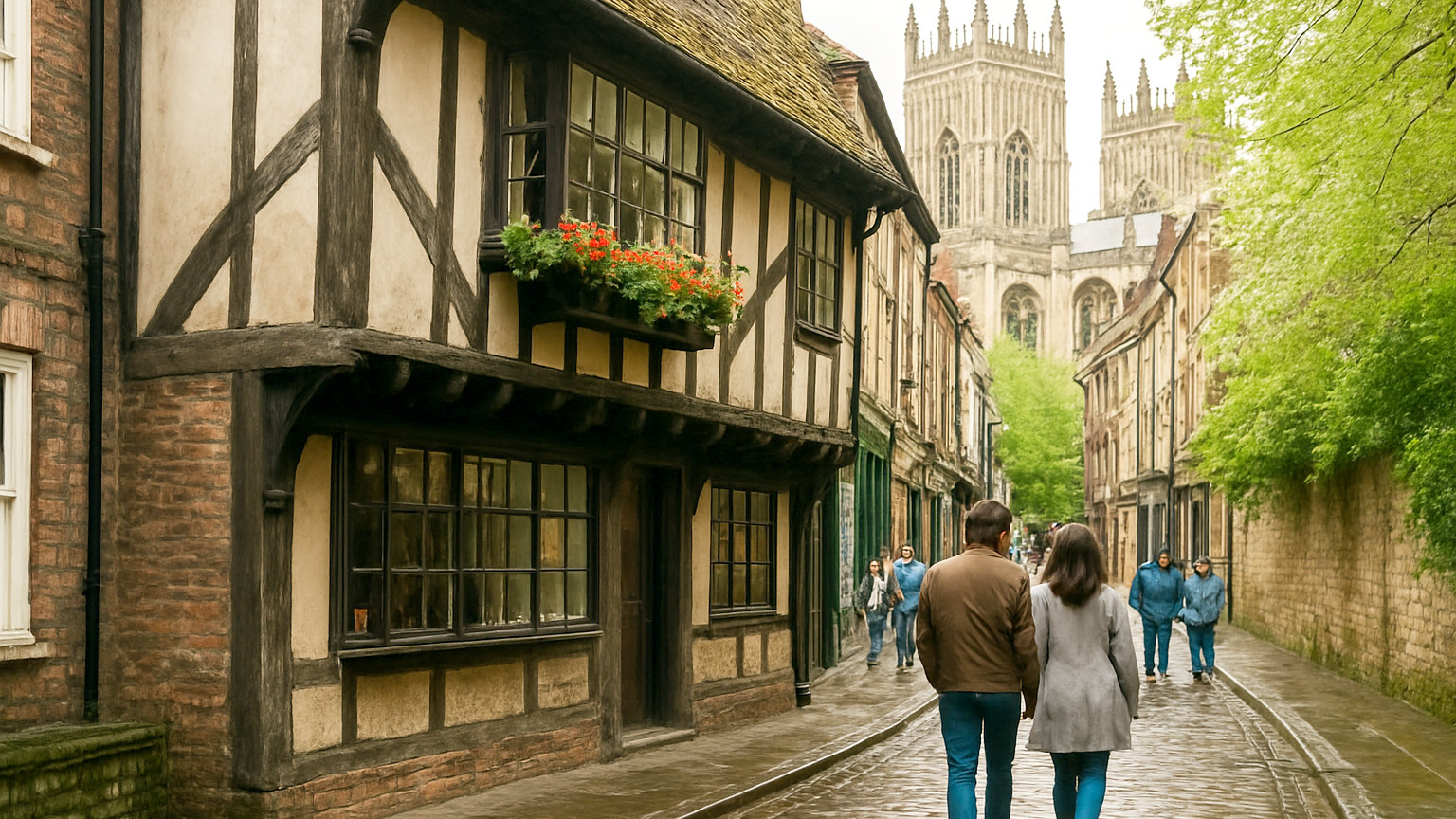
Edinburgh combines its market with a fairground and an ice rink in the gardens beneath the castle, which is the most dramatic setting of any. Bath, York, Winchester, Lincoln and Chester run smaller, more traditional markets in historic centres, which many people prefer.
How do the large and small ones differ?
Large markets have more stalls, more food, longer hours and considerably more people. Birmingham and Manchester both draw very large numbers and can be uncomfortably crowded at peak times.
Smaller markets in cathedral cities feel more like a Christmas fair in a beautiful setting, with less choice and far more room. Winchester and Lincoln are frequently cited as the most atmospheric for this reason.
When should you go to avoid the crush?
Weekdays, and earlier in the season. The last two Saturdays before Christmas are the peak across every market in the country, and the difference between a Tuesday in late November and a Saturday in mid December is enormous.
Within the day, late morning and early afternoon are quietest. The markets look better after dark, which is when everybody arrives, so the compromise is to go at around four as the lights come on.
What should you book and when?
Accommodation early, because December weekends in market cities sell out and prices rise substantially. Two to three months ahead is reasonable, more for the final weekends.
Rail travel at the same time, since December is busy and advance fares go. Restaurants, because city centres are full of office Christmas parties throughout the month and walk in tables are scarce.
Is there anything to do besides the market?
This matters more than people expect, since a market occupies an evening rather than a weekend. Choose a city with museums, galleries or a cathedral so the daytime has structure.
York, Bath, Edinburgh and Lincoln all offer a strong daytime programme alongside the market, which is why they work better as a two night trip than cities where the market is the only draw.
What should you expect to spend?
Market food and drink are priced for the occasion rather than the value, and a family can spend a surprising amount on very little. Eating properly elsewhere and treating the market as an evening walk is both cheaper and usually better.
Accommodation is the main cost and is at its December peak. Travelling midweek reduces it considerably.
What is the alternative?
Cities without a large market are often more pleasant in December: quieter, cheaper, with lights and decorations but no crowds. Durham, Norwich, Exeter and Glasgow all do a good festive city break without the crush.
Several cathedral cities also hold carol services and candlelit events through Advent, which for many people is a better evening than a stall selling mulled wine.
What should you know about the weather?
You will be standing outdoors in December for a couple of hours, largely stationary, which is far colder than walking. Take considerably more warm clothing than a normal city break requires, including gloves and a hat, and waterproof footwear since market squares turn to slush. Markets stay open in rain and are considerably less pleasant in it, so having an indoor alternative for the evening is worth arranging before you find yourself sheltering in a doorway with a paper cup.