Most people choose a city break by picking a place they have heard of and then finding things to do there. Reversing that, starting from what you actually enjoy and working towards a destination, produces a better weekend and frequently a cheaper one, because the obvious choices carry a premium.
What are you actually going for?
Be honest about it. Some people want to walk around looking at old buildings, some want to eat and drink well, some want live music, some want galleries and some want a change of scene with no agenda at all.
These point to different cities. A weekend built around food in a city that is beautiful but has a thin restaurant scene disappoints, and so does the reverse.
Which cities suit history and architecture?
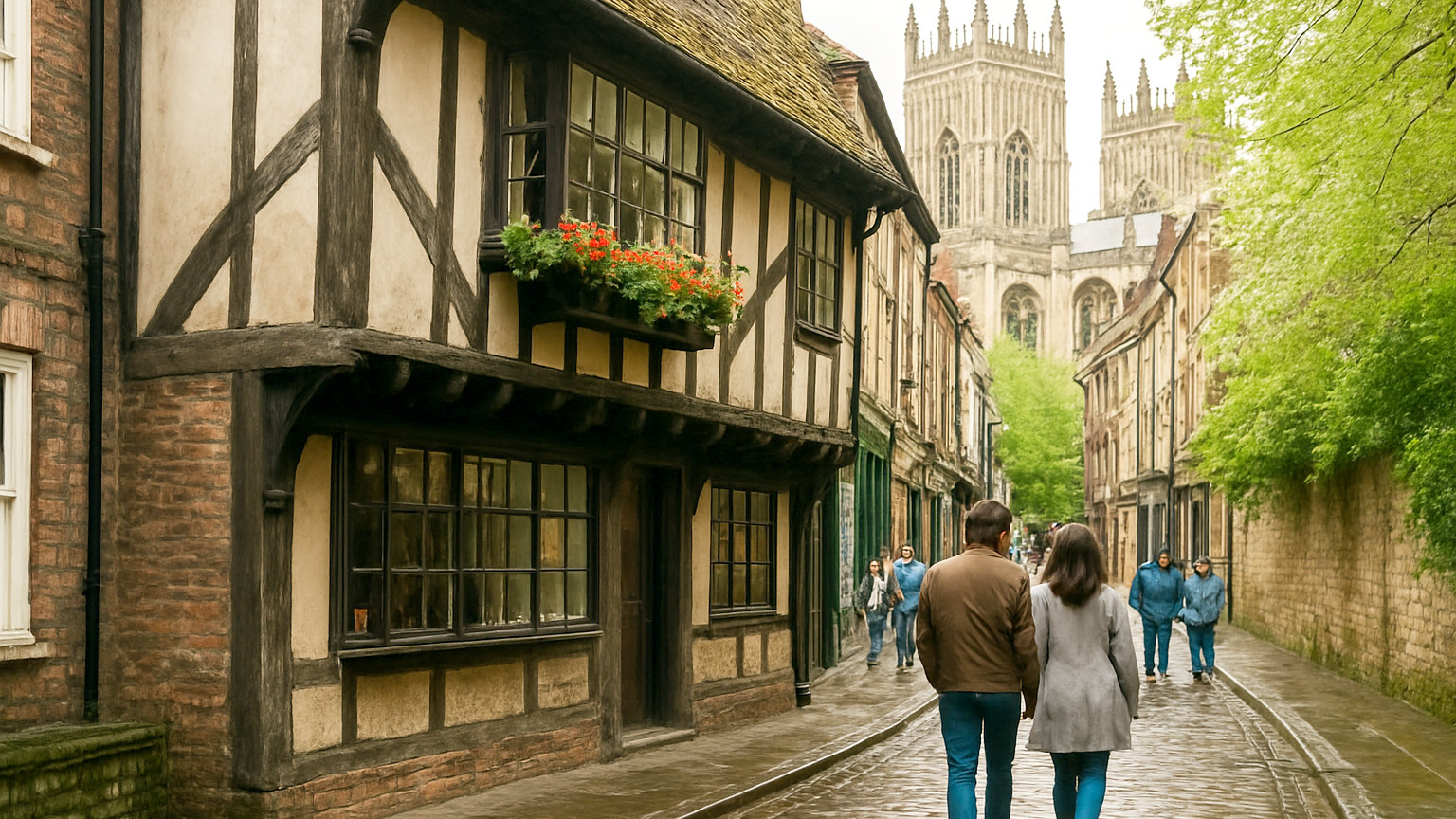
York, Bath, Edinburgh, Chester, Durham, Canterbury and Lincoln, all of which have concentrated historic centres you can cover on foot without transport.
These are the classic choices and they are busy and priced accordingly. The trade off is that everything is close together, which suits a short trip better than a sprawling city does.
Which suit food and drink?
Bristol, Manchester, Edinburgh, Leeds, Birmingham and Belfast all have strong and varied restaurant scenes, and each has at least one substantial covered market worth a visit in its own right.
Smaller cities with a reputation above their size include Ludlow, Padstow and Aberystwyth for specific things rather than breadth. For a weekend that is mostly about eating, a larger city gives more options within walking distance.
Which suit music and nightlife?
Glasgow, Manchester, Liverpool, Bristol, Sheffield and Newcastle. Glasgow in particular holds a designation as a city of music and has venues operating at every scale most nights of the week.
If a specific gig is the reason for the trip, build the weekend around the date and book accommodation immediately, since a large concert fills a city's hotels.
Which suit museums and galleries?
London first, obviously, but Liverpool, Glasgow, Cardiff, Edinburgh and Newcastle all have several nationally funded museums that charge no admission, which makes them exceptional value.
Oxford and Cambridge both have serious university collections that are free and much quieter than their London equivalents.
Which suit a first city break together?
Somewhere compact, walkable and not requiring a car: York, Bath, Chester and Edinburgh all qualify. Small cities remove the logistics from the trip, which matters when you are also working out how you both like to travel.
Large sprawling cities are more rewarding on a second or third visit once you know which part you want.
How much should distance influence it?
A great deal on a two night trip and less on a longer one. Anything over about three hours each way consumes too much of a weekend, and the ideal short break destination is under two.
Check the actual journey rather than the map distance. Direct trains change the calculation considerably, and a city three hours away by direct service is more accessible than one two hours away with two changes.
What about combining a city with countryside?
Several cities sit right beside good walking country, which lets a weekend do both. Sheffield and Manchester for the Peak District, Newcastle for the coast and Northumberland, Bath for the Cotswolds, Glasgow for Loch Lomond, Bristol for the Mendips and the Wye.
This is the strongest option for mixed groups where not everybody wants the same weekend.
How do you check before committing?
Look at the city on a map and see how much sits within a twenty minute walk of the centre, since that determines whether the weekend involves transport. Check what is on during your dates, which will surface both opportunities and accommodation price spikes. And read a recent local listings site rather than a national guide, which will tell you what is currently good rather than what was good three years ago when the article was written.